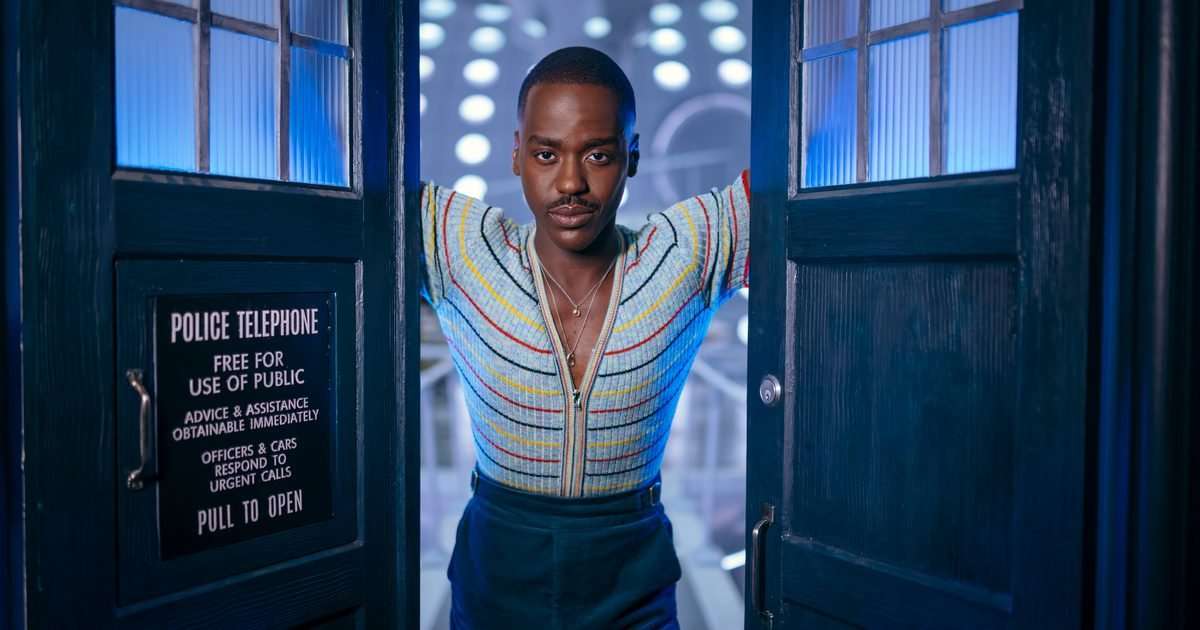
This week, the BBC issued a game-changing statement regarding Doctor Who, confirming that one of their longest running and most profitable programmes was “being put out to competitive tender”.

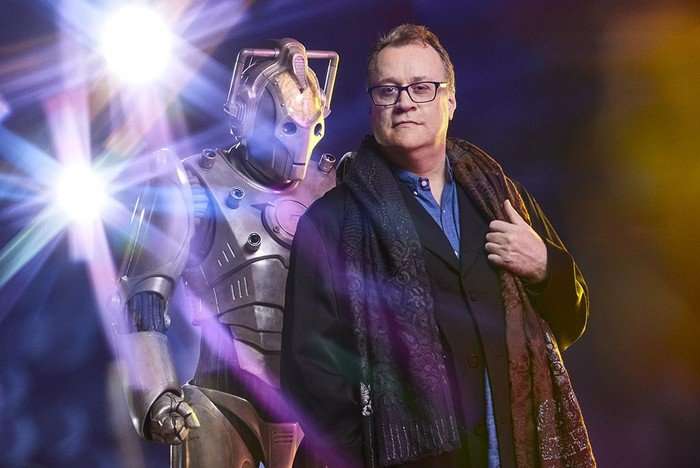
It confirmed that this year’s Christmas special will be cancelled, while showrunner Russell T Davies and production company Bad Wolf also announced their departure from the series.
Casting director Andy Pryor has also stepped back, with former showrunner Steven Moffat offering a hopeful message to fans amid all the uncertainty.
But, what exactly does it mean to put a TV show out to tender? What will this mean for the future of Doctor Who? And when could we see it back on our screens?
Has Doctor Who been cancelled?
No, in its statement, the BBC confirmed that Doctor Who will come back. This year’s Christmas special has, however, been cancelled.
The statement said: “Doctor Who remains an important part of the BBC and this tender underpins the BBC’s continued commitment to Doctor Who ensuring audiences will enjoy the show for years to come.
“After careful consideration, the BBC, Russell T Davies and Bad Wolf have collectively decided not to go ahead with the previously announced Doctor Who Christmas episode.”
What is a tender process?
Tenders are usually issued by large companies or public bodies like local authorities, and the chosen bidder gets paid to provide a specific service like recruitment or security for them.
Some football stadiums or hospitals, for example, currently outsource their catering to external companies who go through this same tender process. In this case, the winning company would be paid to take over production of Doctor Who from Bad Wolf.
BBC programmes have gone out for tender before, lots of times; it just means that other production companies have a chance to take a crack at it and bring new voices to the table. It’s something they are required to do by the BBC Charter. This is also not the same thing as trying to find a streaming partner for the show.
According to the statement, the BBC will announce details of their tender process “in due course”. When it’s ready it will go live on their dedicated tendering site, the BBC eSourcing Portal.
How does a tender process work?
A typical tender process starts with a tender eligibility form (TEF) so they can shortlist financially stable companies who have at least half a chance of getting something done. A full tender invitation comes to those who pass the TEF and they must sign an NDA.
Production companies will answer a series of questions like mini essays, where the question tells you exactly what they want to hear. Once the tender is submitted (usually about a month after it opens), the assessment takes between 1-3 months. The BBC will invite presentations or pitches from shortlisted bidders once the assessment ends. For a huge show like this, only a few big companies will be in the running.
Add Radio Times as a Preferred Source on Google
Keep up to date on what’s worth watching with your favourite entertainment news from Radio Times – see more of our exclusive news and interviews featured prominently in Top Stories when using Google.
Once the decision is made, all bidders are told and the standstill period begins. This is 8-10 working days and lets bidders challenge the decision if they feel it was wrong. If there are no issues, the contract can go ahead on the agreed date, and we’ll get an announcement.
It’s important to note that the BBC aren’t selling the show as part of this process. The broadcaster confirmed: “The BBC retains all IP in Doctor Who. BBC Studios will continue to lead the global distribution of Doctor Who as well as licensing, consumer products, digital and immersive experiences on behalf of the BBC.”
What will bidders be expected to show?
Bidders will answer questions about their track record, their plans for the future of the show, how quickly they can get up and running, and the public good they could do as part of the contract (like job creation and apprenticeships).
Value for money will be a key point. But crucially it’s very unlikely that they’ll be obliged to take the lowest offer, in case anybody was worried about that.
To make sure every competing company is treated fairly, tender responses are marked according to clear scoring criteria. No handshake deals here.
Could Bad Wolf have retained the contract?
In an Instagram post on Wednesday confirming their exit from the show, Doctor Who’s former production company Bad Wolf stated that “it has been a joy and a privilege to have been at the helm of the TARDIS alongside the brilliant Russell T Davies”. But if they’d wanted to, could they have kept the contract?
Well, the odds would’ve been against them (fewer than 50% of contracts are won by the existing holder) but stranger things have happened and there would’ve been nothing stopping them from bidding.
They would’ve had to acknowledge what had gone wrong and put a believable plan in place for how they could’ve turned things around.
When can we expect new Doctor Who?
Let’s look at two useful examples to give us an idea of timelines.
Blue Peter went out to tender in February 2024, and the contract was eventually retained by BBC Studios. The win was announced in October 2024, and BBC Studios began delivering a two-year contract in spring 2025 (so that will also be up for renewal or retender next year).
Likewise, Casualty went out to tender in May 2025, and the win (also BBC Studios) was announced in December for spring 2026. Judging from these two cases, it’s a fair guess that the tender process could take about six months.
Let’s say the tender goes live at the beginning of August. That gives them about a month from now to get their ducks in a row. Six months would take us through to February 2027 before the outcome is announced.
As it’ll take time to find a new Doctor and get a creative team in place, it’s fair to assume we’re getting a series in early to mid 2028 at the earliest.
Where do we go from here?
Obviously, it’s not a win for anybody that the Christmas Special has been called off. But the show is far from over.
The show has been in worse places than this – including returning for its successful modern series in 2005 after 16 years off air – and this process shows that the BBC are actively trying to keep the show going.
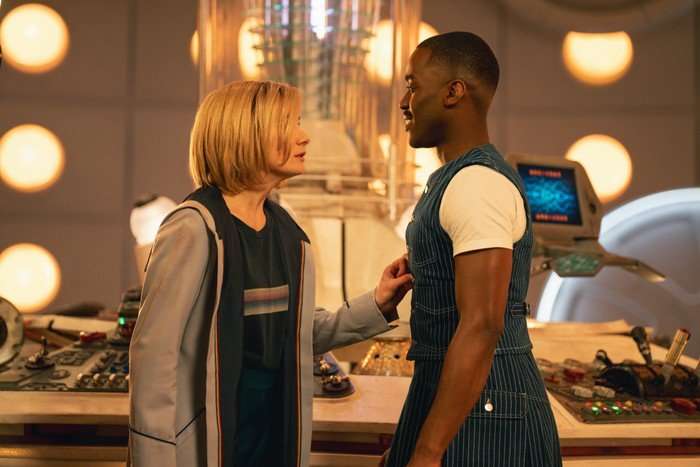
When we do see Doctor Who back on air, it could look very different. It will likely have a different budget, it may have a different format, a new showrunner (if the showrunner role continues) and, of course, a new Doctor.
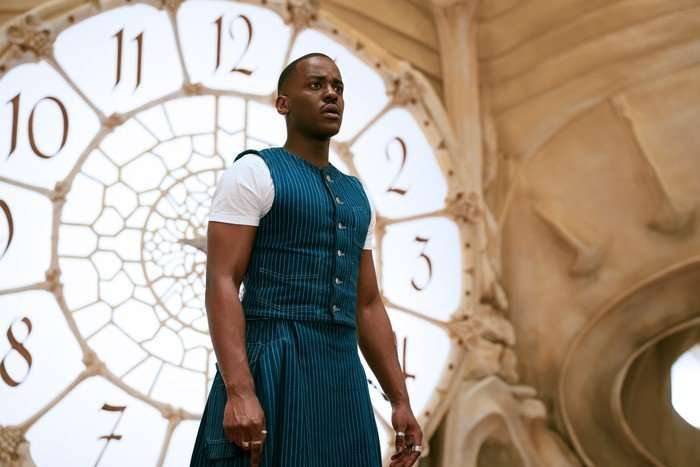
Patience will be required from fans though, as it will take a while. As the Eleventh Doctor once asked, “Is this how time normally passes? Really slowly, in the right order?”
Doctor Who is available to stream on BBC iPlayer. Dive into our Doctor Who story guide: reviews of every episode since 1963, plus cast & crew listings, production trivia, and exclusive material from the Radio Times archive.
Add Doctor Who to your watchlist on the Radio Times: What to Watch app – download now for daily TV recommendations, features and more.
Check out more of our Sci-fi coverage or visit our TV Guide and Streaming Guide to find out what’s on. For more TV recommendations and reviews, listen to The Radio Times Podcast.