
A great twist is supposed to change how you see everything that came before it. Some, instead of providing clarity, do the exact opposite. There are movies that reveal just enough to shift the narrative, only to leave key details unexplained or open to interpretation.
These are the twists that spark endless debates, theories, and rewatches, due to how they refuse to answer all the questions. Whether it’s ambiguous endings, unreliable realities, or unanswered queries, these films embrace uncertainty. In many cases, that lack of resolution is exactly what makes them so memorable long after their prime.
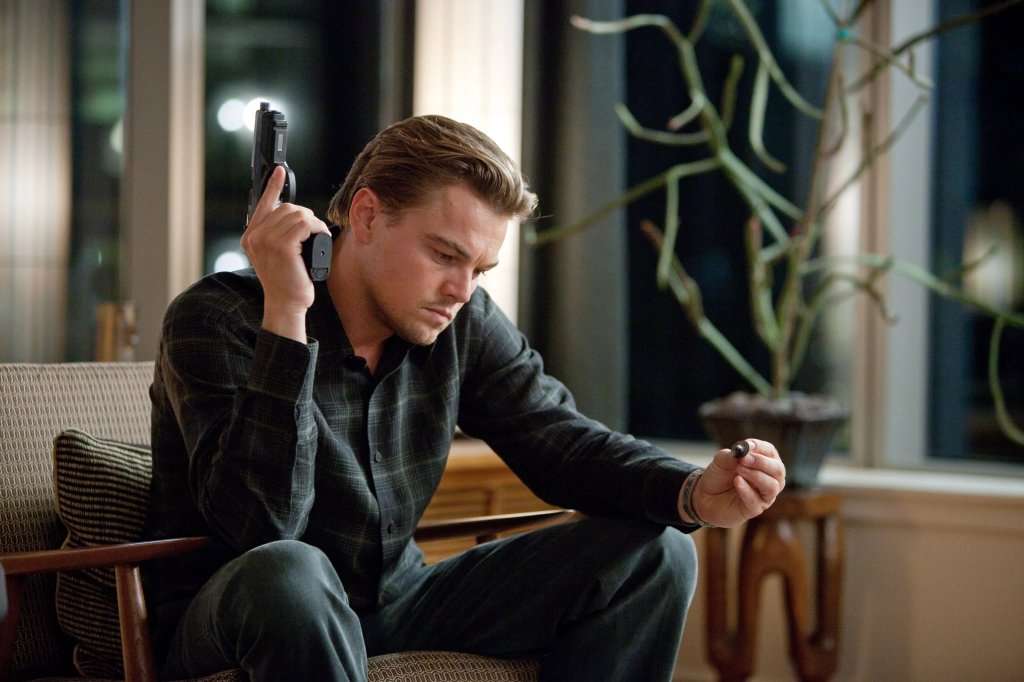
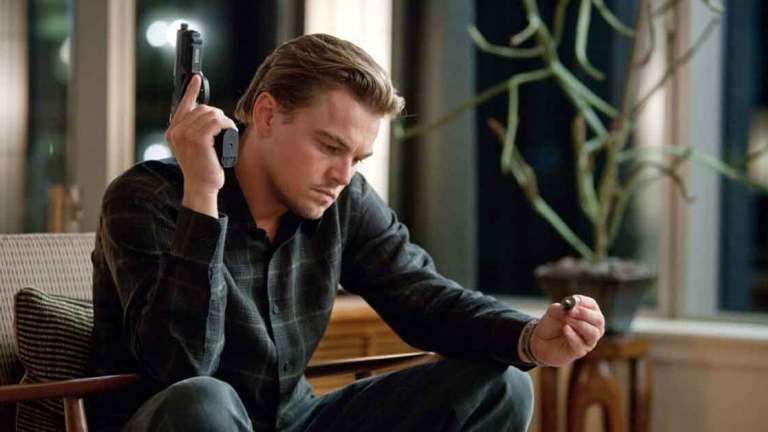
Inception
The spinning top ending leaves one central question unanswered: is Cobb still dreaming? The film provides clues but no resolution, turning its final moment into one of the most debated conclusions in modern cinema.
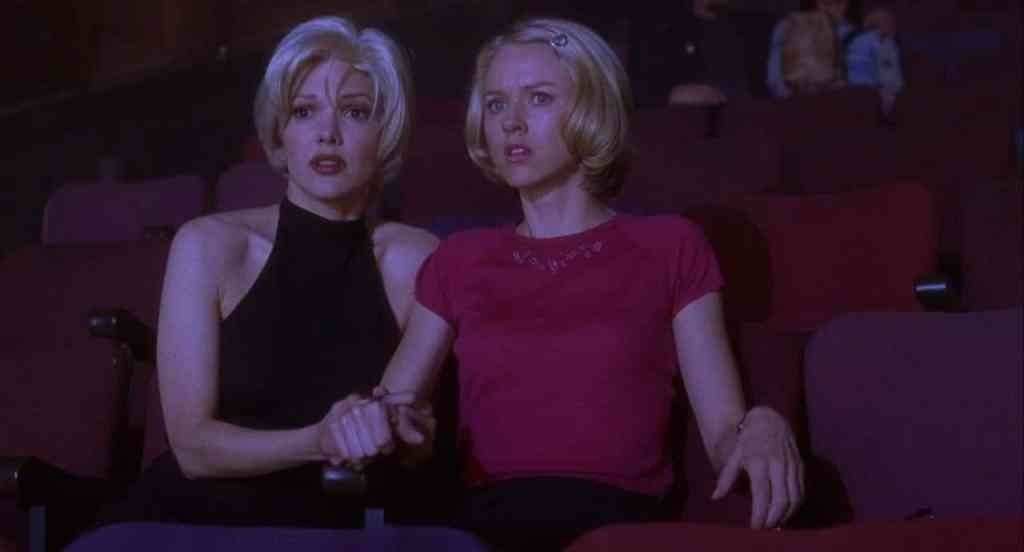
Mulholland Drive
Its late-film shift reframes everything as a fractured dream or reality, but never confirms which is which. The twist doesn’t clarify events, it complicates them, making interpretation part of the experience.
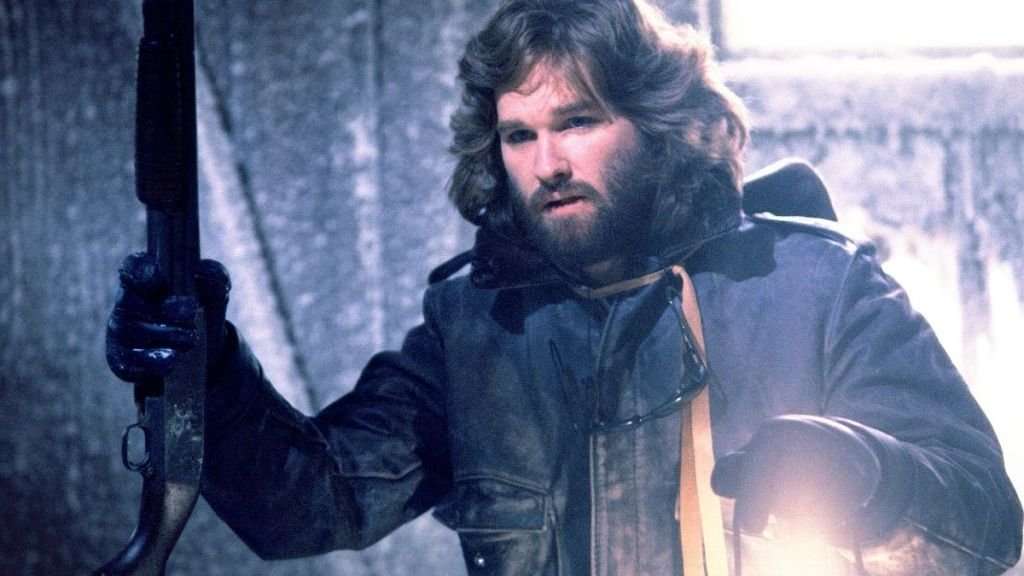
The Thing
The final scene leaves viewers unsure whether either survivor is infected. The ambiguity reinforces paranoia, offering no clear answer and ensuring the story’s tension continues even after the credits.
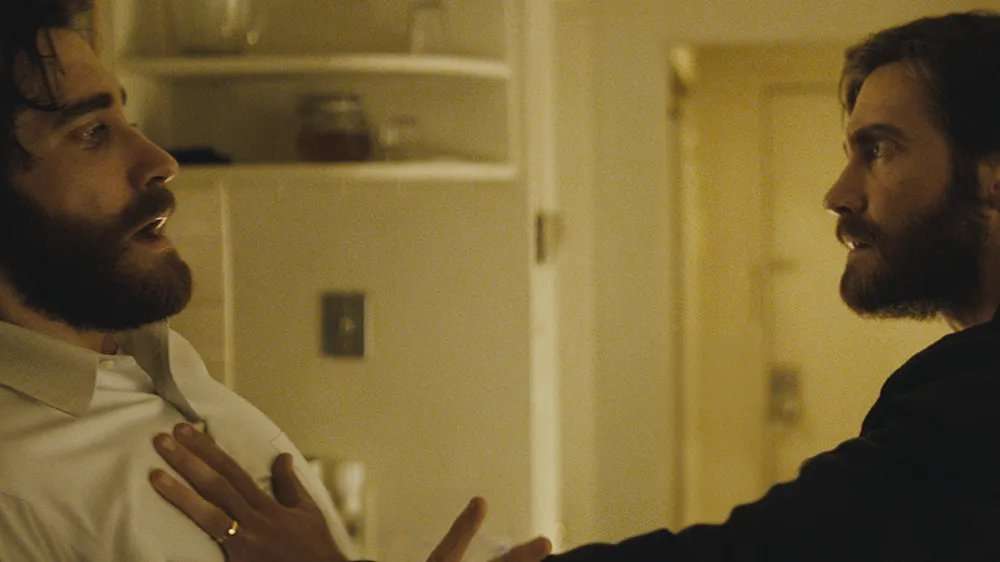
Enemy
The sudden final image reframes the entire film in symbolic terms, leaving viewers questioning identity, control, and reality. Rather than explaining anything, the twist deepens the mystery.
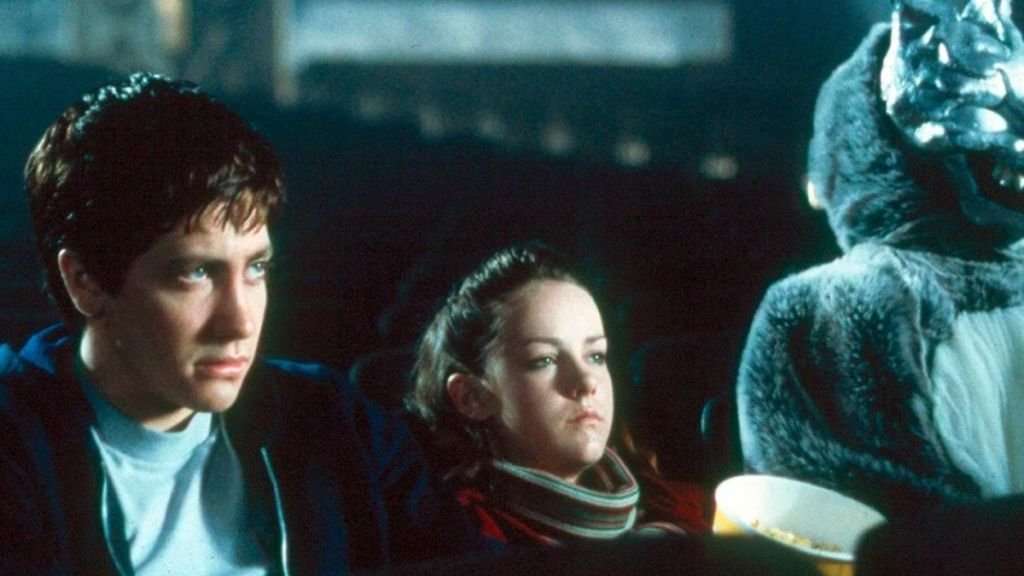
Donnie Darko
Its time-loop resolution answers some plot points but leaves the mechanics and meaning unclear. The twist creates a framework, but not a full explanation of what actually happened.

American Psycho
The ending questions whether the murders were real or imagined. Instead of resolving the mystery, it reinforces ambiguity about Patrick Bateman’s actions and mental state.
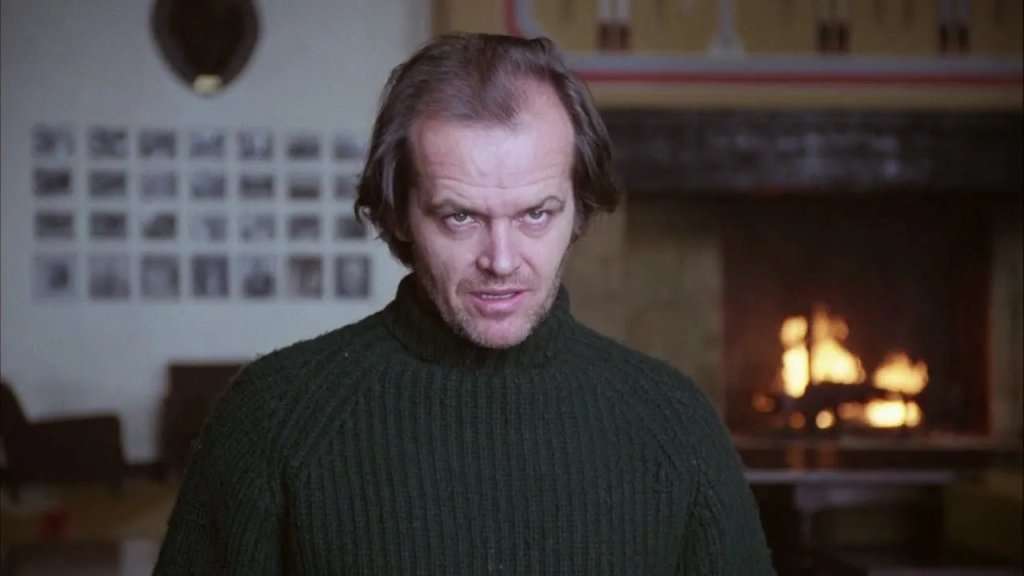
The Shining
The final photograph suggests Jack has always been part of the hotel, but offers no explanation. The twist raises more questions about time, identity, and the hotel’s influence.

Black Swan
The reveal of Nina’s injury blurs the line between reality and hallucination. It leaves viewers questioning what actually occurred and whether her transformation was literal or psychological.
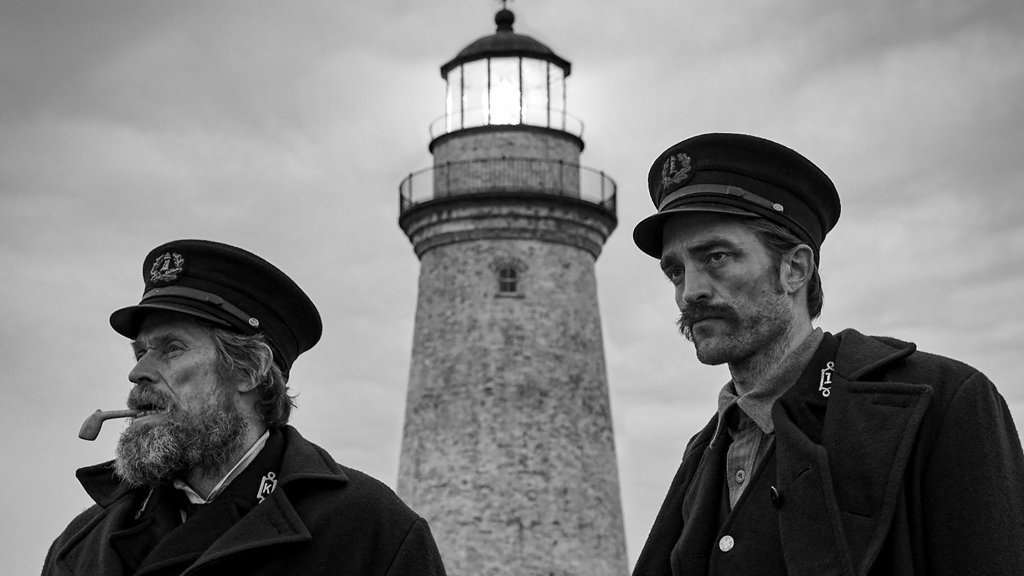
The Lighthouse
As the story descends into madness, its final moments offer no clear explanation of what’s real. The twist-like ending embraces ambiguity rather than resolution.

Annihilation
The ending suggests duplication or transformation, but never clarifies what the characters have become. The twist expands the mystery instead of resolving it.

Coherence
The twist introduces multiple overlapping realities, but never fully explains how they function, leaving viewers uncertain about which version of events is “real.”
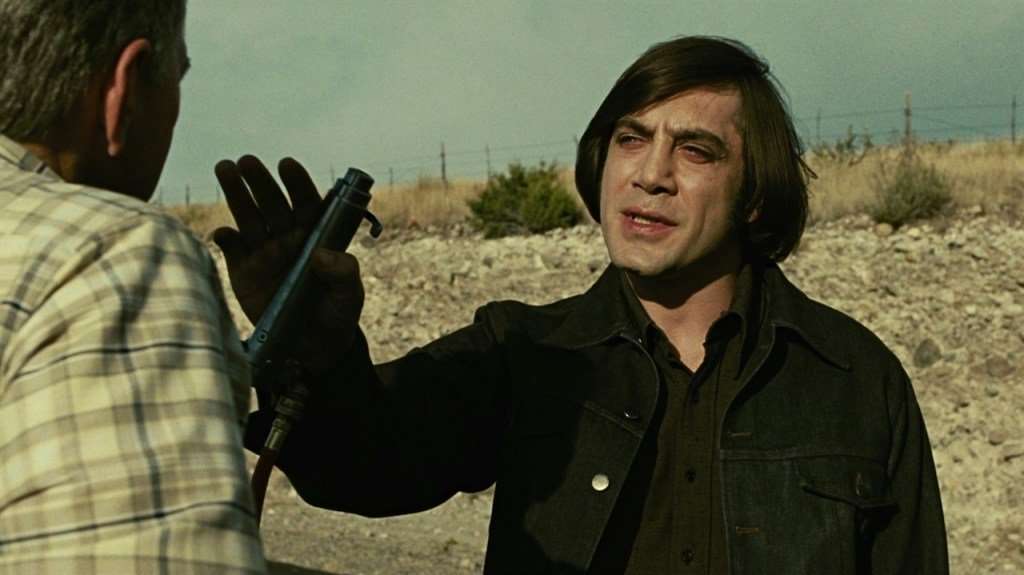
No Country for Old Men
The film’s ending avoids resolution entirely, shifting focus to reflection rather than answers. Its final monologue raises more questions about fate and justice than it resolves.

Burning
The disappearance at the center of the story is never explained. The final act suggests possibilities without confirming any, leaving the truth deliberately uncertain.

Under the Skin
The ending raises questions about identity and transformation, offering little explanation about the protagonist’s nature or purpose.

Sorry to Bother You
Its late twist radically shifts the film’s reality, but instead of clarifying the narrative, it expands its themes into something even more surreal and open-ended.