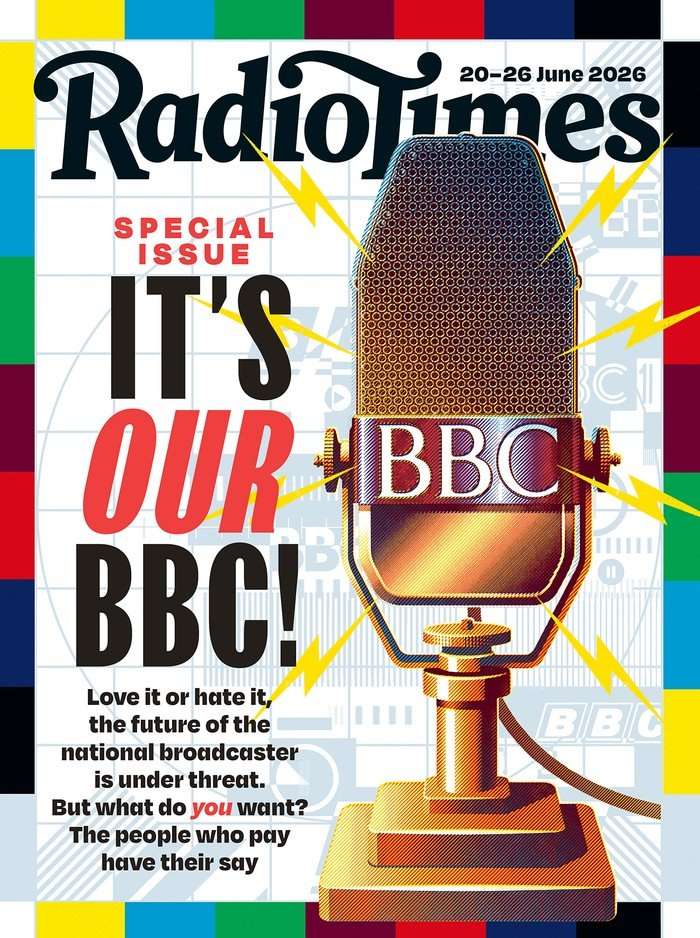
This article first appeared in Radio Times magazine.

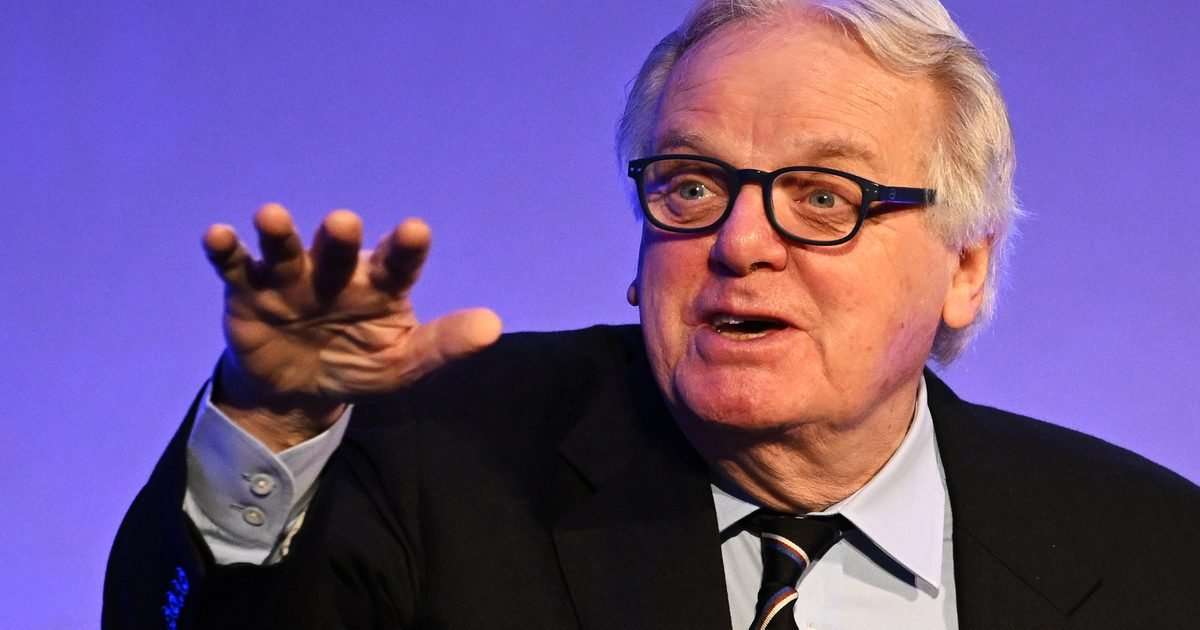
Lord Grade is the ex-chair of Ofcom, a former controller of BBC One and chief executive of Channel 4, and was Chair of the BBC Board of Governors from 2004-6.
Here, he shares his BBC manifesto – a 10-point plan to reform the corporation.
1. Lower the licence fee
Either the BBC has a secure and adequate income, or it doesn’t exist. But it also depends on public support, which it is in danger of losing. So, the licence fee must come down. The core function of the BBC is to take the public’s money and turn it into wonderful British programmes made for British audiences, but at the moment, the licence fee isn’t fair. It’s ridiculous that I pay the same as a single mum with three kids in a rented room somewhere in the UK. It’s not right. I’m happy to pay more, so that person can pay less.
2. Do not take advertising
If you put the BBC into the advertising market, you’ll destroy ITV, Channel 4, 5, and take a large chunk of Sky’s revenues. It’s nonsense.
3. Reject the subscription model
A subscription model would fundamentally change the nature of the BBC, which would only make programmes that were going to drive subscriptions. They’re not going to make programmes that nobody’s heard of, with talent that nobody’s heard of, that grow over a period of time, because you can’t afford to do that in the subscription world.
Want to see this content?
This page contains content provided by Google reCAPTCHA. We ask for your permission before anything is loaded, as Google reCAPTCHA may use cookies and other technologies. To view this content, choose ‘Accept and continue’ to allow Google reCAPTCHA and its required purposes.
4. Save money on costs
Do not cut programmes and services, go for the fixed costs. The BBC maintains huge buildings all over the country in an age when people increasingly work from home. And there are many people at the BBC who are not involved in programme-making, as I’m sure the new director-general will find out very quickly.
5. Admit your mistakes
The BBC has successively failed to handle journalistic cock-ups in a satisfactory way. That’s why they’ve lost trust. Panorama’s misleading edit of Trump only came to light because of outside exposure; the BBC didn’t expose the mistakes themselves. That’s unforgivable. The BBC thinks owning up to mistakes is a sign of weakness, but I regard it as a sign of strength. They should start doing it.
6. Follow the audience
You’ve got to go where people want to watch, and today that’s often YouTube on smart TVs. Don’t misunderstand YouTube; it is simply a distribution platform – not a competitor in terms of creating content.

7. Keep taking risks
The BBC can take risks that commercial broadcasters can’t take. Right now, The Traitors looks like a brilliant decision, but it was an unknown programme and the BBC gambled on it. I’m not sure a commercial broadcaster would have done that. But if the BBC is going to take risks it must have a secure and adequate income.
8. Give power to the regions
Move money and budgets out of London. Right now, talent is being neglected because they can’t afford to come to London. It’s not enough to have offices and people in the regions like the BBC in Salford, you’ve got to devolve the decision-making. If I’m a young writer in Oldham, I need to be able to get the tram to the BBC in Salford and know they’ve got the power to say, “yes” or “no” to my idea. The present set up is tokenism of the worst kind. Instead, I’m advocating a real federal system for the BBC.
9. Cherish impartiality
In an era of misinformation and fake news the BBC stands out for its intention to provide impartial and curated news. It doesn’t always succeed but, nonetheless, all the Ofcom data shows that the public fundamentally believes the BBC sets out to be impartial. The BBC must cherish that.
10. Launch World Service TV
The BBC should expand the World Service into a global TV channel and whatever other platforms are available. The World Service is a huge brand for the BBC, but also for the UK, as soft power that needs to be expanded and invested in properly. It should be paid for with a government subvention, as it always was.
The latest issue of Radio Times is out on Tuesday – subscribe here.