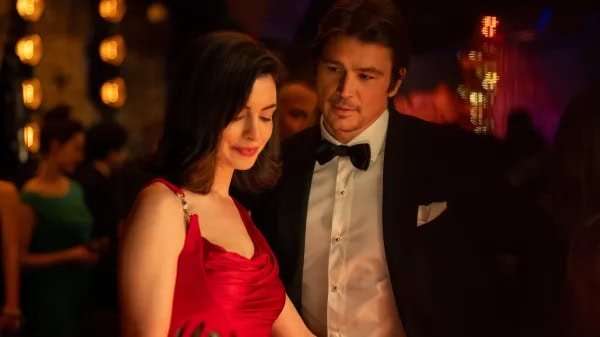
The new Cape Fear TV series is bringing Max Cady back to screens – and if that name already sends a chill down your spine, you’re not alone.
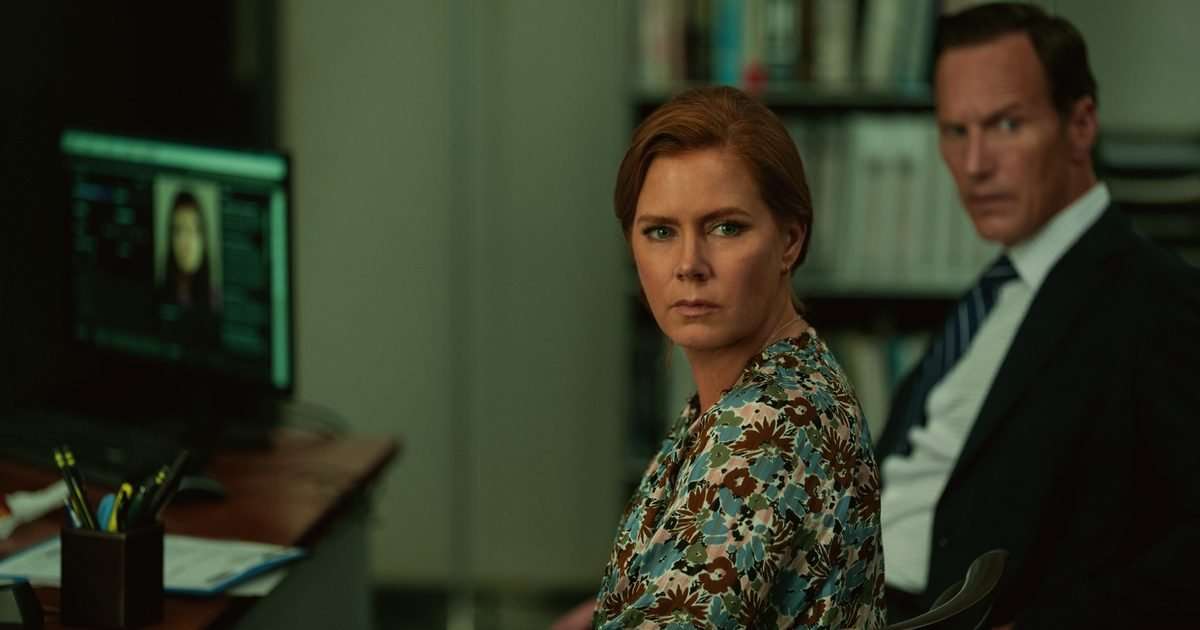
Apple TV’s 10-part psychological thriller stars Javier Bardem as Cady, with Amy Adams and Patrick Wilson playing Anna and Tom Bowden, the married attorneys whose lives are upended when the man they helped put behind bars is released from prison. The series is created and executive produced by Nick Antosca, with Martin Scorsese and Steven Spielberg also serving as executive producers.
The show arrives with serious heritage behind it, following both the 1962 film starring Robert Mitchum and Gregory Peck and Scorsese’s unsettling 1991 remake starring Robert De Niro, Nick Nolte and Jessica Lange.
Antosca has also been clear that his version is not simply trying to repeat what came before. Speaking to The Times, he said that each version of Cape Fear reflects its own era in a different way – with the 2026 series leaning into contemporary fears around justice, truth, media attention and public fascination with true crime figures.
But given the story’s enduring power – and the chilling plausibility of a dangerous man using the law, psychology and public perception to torment his targets – viewers might reasonably wonder: is Cape Fear based on a true story?
Is Cape Fear based on a true story?
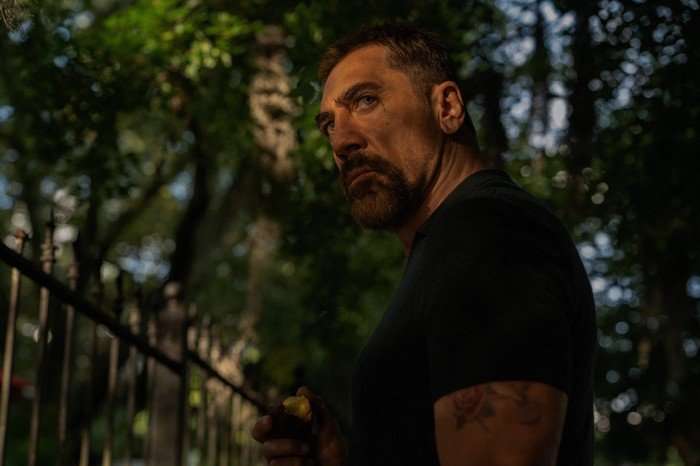
No, Cape Fear is not based on a specific true story.
The original source material is The Executioners, a 1957 novel by John D MacDonald, which was first adapted into the 1962 film Cape Fear and then remade by Scorsese in 1991. Apple’s own description of the new series notes that it is based on both MacDonald’s novel and the earlier film versions, rather than on a real criminal case.
There is no widely cited real-life Max Cady, Sam Bowden or Bowden family behind the story. MacDonald’s premise – a lawyer being stalked by a man he helped send to prison – is fictional, albeit one built on fears that feel horribly plausible: what happens when someone dangerous is released, what the legal system can and cannot protect you from, and how quickly a family’s sense of safety can collapse.
That said, the answer becomes more complicated when we look at the later adaptations – particularly Scorsese’s 1991 film – because while Cape Fear itself is not true crime, certain performances and scenes did draw on real-life figures and cases.
Was Robert De Niro’s Max Cady inspired by Charles Manson?
Not directly in the sense that Max Cady is “based on” Charles Manson, but De Niro did discuss Cady in Manson-like terms when thinking about how the character could affect his victims.
Speaking at the time of the 1991 film’s release, De Niro explained that he wanted Cady to be capable of performing Charles Manson-like “mind trips” – in other words, to be frightening not just as a physical threat, but as someone who could psychologically manipulate others.
So while Cape Fear is not a dramatisation of Manson or his crimes, De Niro’s performance was partly shaped by the idea of a predator whose power lies in psychological control as much as violence.
Was Illeana Douglas’s Cape Fear character inspired by a real case?
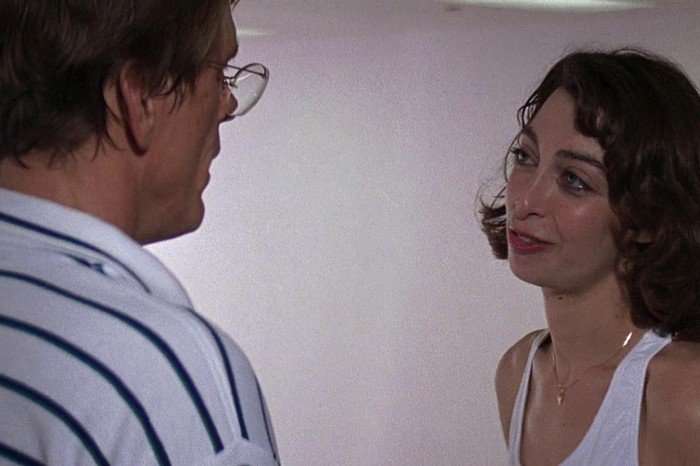
Yes – one major element of Scorsese’s Cape Fear did have a real-life inspiration.
Illeana Douglas, who played Lori Davis – one of Cady’s victims – in the 1991 film, has said that she helped expand and shape the character, who was originally called “The Drifter” and did not even have a name.
Douglas told The AV Club that she was profoundly affected by the murder of Jennifer Levin, who was killed in Central Park in 1986 by Robert Chambers, and that the case informed her thinking about Lori.
Douglas said that, in the back of her mind, the bar scene with Lori and Cady was “100 per cent” based on Jennifer Levin. She wanted Lori to feel like a young woman who did not see danger coming, rather than a cliché of “the office tramp who gets what she deserves”.
That is an important distinction. Lori is not Jennifer Levin, and Cape Fear is not retelling that case. But Douglas’s performance and the reshaping of Lori’s role were influenced by a real crime.
Did the 2026 Cape Fear cast draw on earlier performances?
The cast of the new Cape Fear looked more to previous iterations of the story than to real-life figures or events.
Bardem has spoken about the impossibility of trying to match De Niro’s Oscar-nominated performance, saying that when he knew he was going to play Max Cady, his first thought was: “Don’t even try, Javier, to get even close to what De Niro did with that iconic performance.” He also arranged a private cinema screening of Scorsese’s film and described the experience as asking for De Niro’s “blessing” before doing his own take.
Adams, meanwhile, has cited Jessica Lange’s performance in the 1991 film as an influence, particularly what she described as Lange’s “gentle strength” and the balance between vulnerability and resilience. Wilson has also spoken about his admiration for Nick Nolte, praising the rawness and commanding quality of his screen presence, while also noting that his own character, Tom Bowden, is not a direct copy of Nolte’s Sam.
Cape Fear premieres on Apple TV on Friday 5 June 2026. Start your seven-day free Apple TV trial here.
Add Cape Fear to your watchlist on the Radio Times: What to Watch app – download now for daily TV recommendations, features and more.
Check out more of our Drama coverage or visit our TV Guide and Streaming Guide to find out what’s on. For more TV recommendations and reviews, listen to The Radio Times Podcast.