This article first appeared in Radio Times magazine.
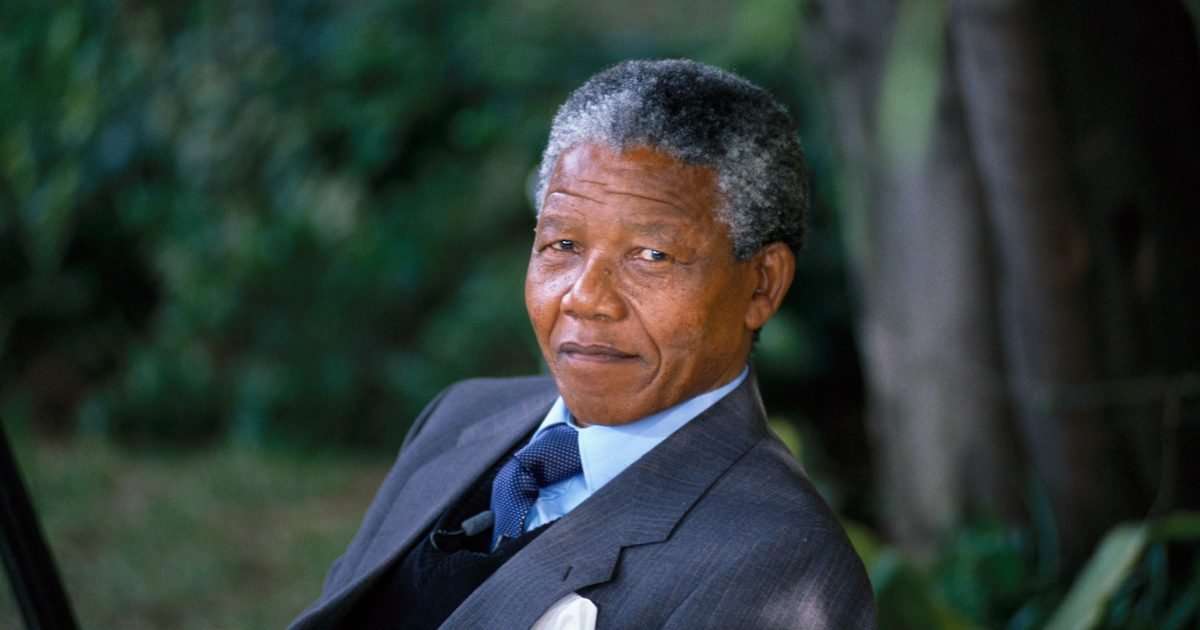
The pictures of Nelson Mandela taking his first steps out of prison still move and inspire, 36 years after they were beamed across the world.
The images of the smiling, waving, grandfatherly figure contrasted with the one, serious-faced image we’d previously known, and prove what is possible in the spirit of justice and reconciliation. For Dali Tambo, one of the contributors to Channel 4’s new documentary series exploring the events, they could have happened yesterday.
Dali is the son of Oliver Tambo, Mandela’s family friend, business partner and lifelong comrade in their tireless struggle for equality in South Africa. On the day of Mandela’s release, Tambo was in a Swedish hospital receiving treatment for a stroke, and Dali rushed to be at his side: “He already knew, and his room was full of nurses, celebrating with him and dancing. A few tears were shed. It was one of the most beautiful moments of my life.”
Oliver Tambo left his home nation in 1960, moved to London with his family and spent the following decades running the African National Congress (ANC) in exile, as well as travelling the world to secure support for its mission. Dali grew up in a house where the personal was political, and where the talismanic figure of Mandela was also “Uncle Nelson”.
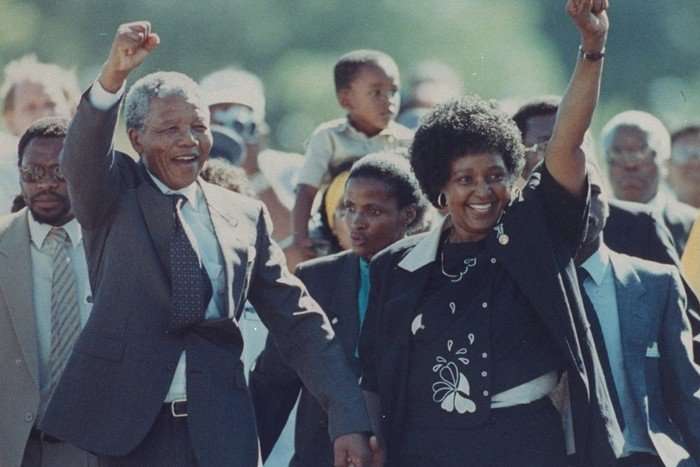
“He and Aunt Winnie were part of the family. My mum had been a nursing trainee, and she shared a room with Winnie, and at one point, said to her friend, ‘My husband has formed a law partnership with a very handsome guy called Nelson. You should meet him.’ That became the start of the Nelson and Winnie story.
“Right from the start, my father always said that Uncle Nelson was a born leader, that he must become the symbol of the anti-apartheid struggle. Later, he insisted the whole story should be about freeing him and his fellow prisoners on Robben Island, and so it proved.”
As the political tides shifted in the ANC’s favour, Dali remembers evolving from a schoolboy who kept quiet about his father’s activities to a student embraced by his peers. With a front-row seat to the struggles and endeavours of his father and his friends, he became more politicised and co-formed Artists against Apartheid, the UK-based cultural movement that kept attention focused on South Africa and its increasingly isolated government.
Want to see this content?
This page contains content provided by Google reCAPTCHA. We ask for your permission before anything is loaded, as Google reCAPTCHA may use cookies and other technologies. To view this content, choose ‘Accept and continue’ to allow Google reCAPTCHA and its required purposes.
“I worked with Jerry Dammers, who’d written Free Nelson Mandela with The Special AKA, and was able to recruit many fellow musicians. It meant if you had a George Michael poster on your wall, you would ask, why is he anti-apartheid? And he would in turn be explaining it to his record company. What you found was that, in many European countries, even if the governments didn’t support the ANC movement, their people did.”
After his release, one of the first trips Mandela made was to Sweden to visit his old friend. Dali remembers: “The King of Sweden put on a party for Uncle Nelson. At the end of the day, when we were leaving, he and my father were each pushing the other one through the door – ‘No, after you’ – and using their nicknames for each other from the old days. Everyone was rolling about.”
He adds: “Because of my father’s stroke, they couldn’t go forward from that moment together. They would have been a formidable duo, but it wasn’t to be. Instead, my father passed the baton to Uncle Nelson, and he got his wish that his friend became the first president of a democratic South Africa.”
The latest issue of Radio Times is out on Tuesday – subscribe here.
Free Nelson Mandela begins at 9pm on Sunday 14 June on Channel 4. Catch up on Channel 4 streaming.
Check out more of our Documentaries coverage or visit our TV Guide and Streaming Guide to find out what’s on. For more TV recommendations and reviews, listen to The Radio Times Podcast.