Like many people, I used to think I pretty much knew the story of the Mitford sisters. There was the fascist one, the communist one, the allegedly in the closet-gay one, the duchess, the one who shot herself – and the one who became a famous novelist and wrote about them all.
Weren’t they just a family of over-privileged debutantes with horrible politics from the 1930s? Even the eldest sister Nancy’s novels, The Pursuit of Love and Love in a Cold Climate, though very funny, rather reinforced my impression that these aristocratic, glamorous sisters had nothing much to say to me today.
But then a friend gave me a book she said I just had to read: it was Mary Lovell’s definitive account of the sisters’ lives, The Mitford Girls. In its pages I discovered the truth behind the family’s glossy facade – a truth far more shocking, complex and much, much darker than I expected. But what really stopped me in my tracks was how completely relevant their story is to what’s happening in the world right now. How the rise of extremist politics across the globe can cause deep rifts between loved ones and ultimately rip a family apart.
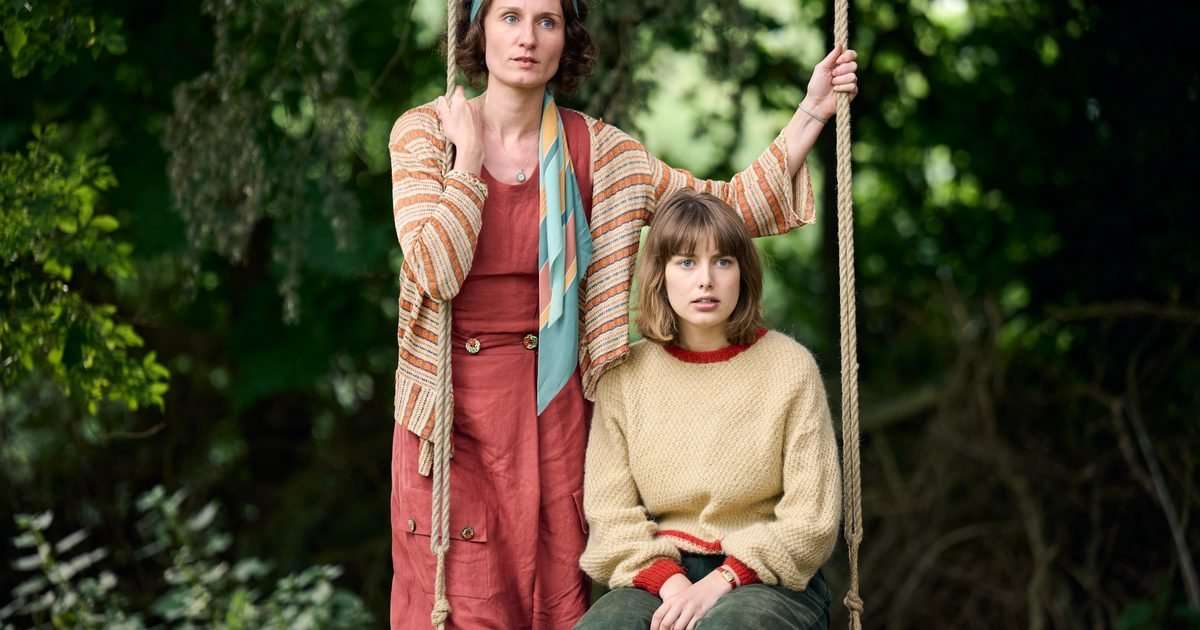
I was utterly gripped, and it was this book that eventually became the source material for my six-part dramatisation of the girls’ lives, Outrageous.
Nancy, Pamela, Diana, Unity, Jessica and Deborah were the six notorious daughters of Lord and Lady Redesdale who came of age in England in the 1930s. Their radical politics, outstanding beauty and scandalous sex lives made headlines around the world.
Diana walked out on her marriage when she fell in love with the leader of the British Union of Fascists. Jessica ran away to fight with the rebels in the Spanish Civil War, then emigrated to the USA where she became an active member of the Communist party. Unity moved to Germany in stalkerish pursuit of her idol Adolf Hitler – and actually became his close friend and confidante. When war was declared, heart-broken, Unity shot herself in the head with the pearl-handled revolver he had given her.
Only the youngest, Deborah, did the expected thing and became the wife of an aristocrat – but she too made her mark on history by reversing the fortunes of the crumbling Chatsworth estate that was her husband’s inheritance, making it one of the most celebrated stately homes in the country.
As one of six children myself, I was completely fascinated by the diverging paths of these siblings, partly driven by rivalry and the desire of each to carve their own space in the family unit, leading to jealousies, betrayals and periods of separation. But what also emerged, the more I read about them, was a bone-deep loyalty that bound them inextricably, partly driven by a wicked sense of humour that will be familiar to anyone who has read their letters or autobiographies.
This rang true with my own experience of family life – siblings are the people who might know just how to stick the knife in when you’re feeling vulnerable, but they are also the ones who are there for you in life’s most difficult moments.
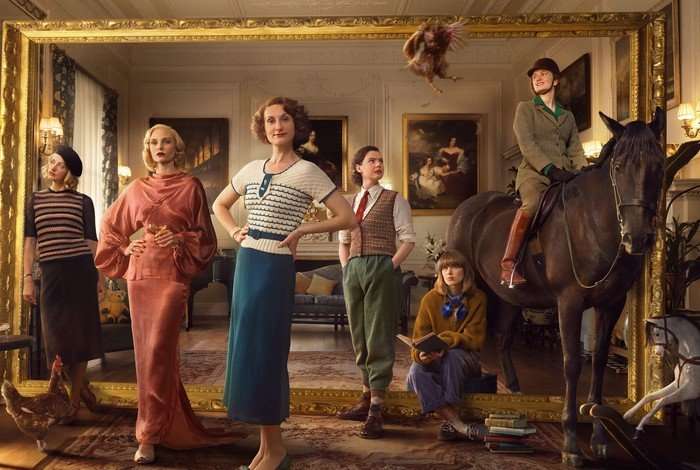
Emerging into adulthood, the sisters faced a world in chaos – spiralling unemployment and poverty, a global economic depression, political polarisation and the rise of ominous dictatorships, extremism on the march everywhere. Sound familiar?
These girls wanted to be a part of the change they could see was happening in the world and, although forming very different ideas about what the new order of things should be, they certainly had the courage of their convictions. They were passionate campaigners for their causes and refused to keep quiet in an era when women, like children, were supposed to be seen and not heard. This made for some very difficult conversations around the family dinner table.
When I began writing the scripts for Outrageous, the Brexit referendum was a recent memory, and families across the country had found themselves navigating the delicate business of close relatives coming to diametrically opposed views on a political question. This mirrored the dilemma of Nancy, the protagonist in my dramatisation. Less enraptured by politics than other members of the family, she watched with astonishment as her younger sisters took increasingly extreme paths, eventually adopting views which she considered evil. And this experience has only become more familiar in the intervening years, as fascism has reared its head once again across the world and increasing numbers flock to the further reaches of the political spectrum.
As Jessica says in the show, “What do you do when someone you really love, does something really awful and vile?”.
Read more:
- Mitford sisters stars reveal daunting and exciting challenges of new drama Outrageous
- Outrageous stars have “fingers crossed” for second season after BBC iPlayer release – as UKTV responds to renewal question
Outrageous is on BBC One at 10:30pm Sunday 14 June – all episodes are available now on BBC iPlayer.
Add Outrageous to your watchlist on the Radio Times: What to Watch app – download now for daily TV recommendations, features and more.
Check out more of our Drama coverage or visit our TV Guide and Streaming Guide to find out what’s on. For more TV recommendations and reviews, listen to The Radio Times Podcast.