This article first appeared in Radio Times magazine.

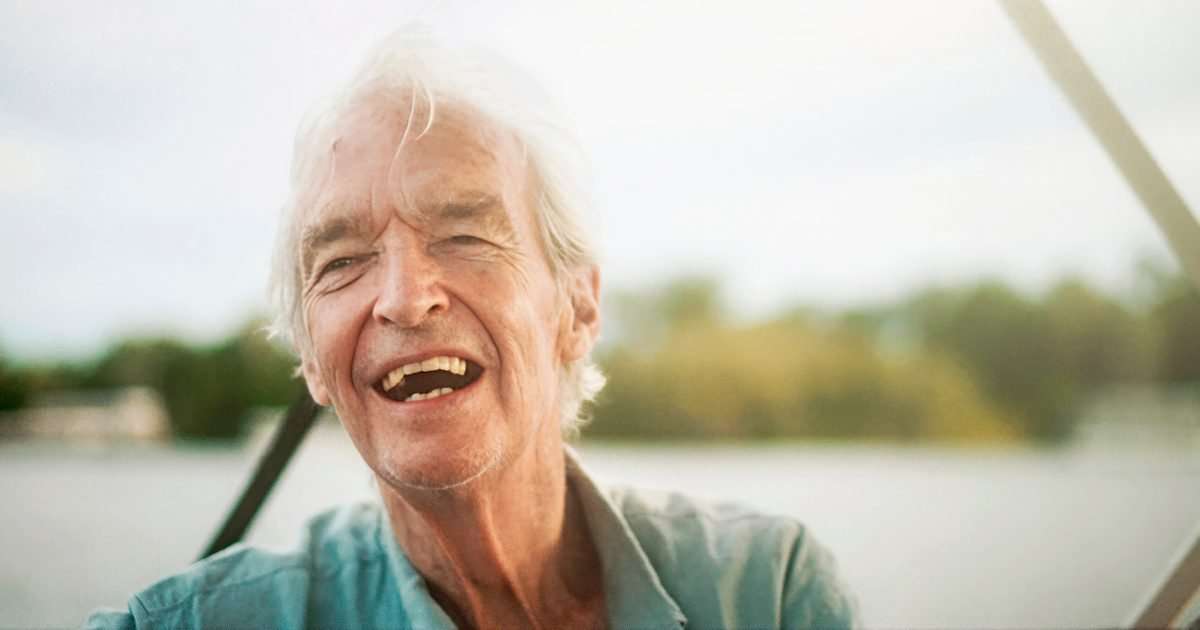
I first met Jon Snow when I was a young researcher. I was in awe, but as we drove around the UK, making a documentary, we had these wonderful chats. Everybody who’s worked with Jon says this – he was an inspiration.
Some 25 years later I found myself in a pub with Jon and his wife, Dr Precious Lunga, discussing a “coming-out” film. Having kept Jon’s Alzheimer’s diagnosis private, they wanted to break the news on their own terms.
My conversations with Jon that day were fluid, taking me on amazing adventures. We’d start with what he wanted the film to be, via the colour of the Pope’s shoes when he interviewed him to, suddenly, the PTSD he experienced from war zones, the therapy, and then we’d be back in El Salvador or 9/11. The links were not what you’d anticipate, but all pertinent to the point he wanted to make.

Talking to Jon, I knew what kind of film we should make – a truthful representation of his Alzheimer’s journey, as he experienced it. What’s more, Precious, who has a PhD in neuroscience, said engaging her husband with the film-making process itself was vital, because exercising the brain can potentially help slow the disease.
In the end, the film became more than either of us anticipated. It was Jon who made that happen.
On what should have been our final day filming, we were in Victoria Falls, on the border of Zambia and Zimbabwe, where the family spend some of the year. A safari guide, Cat Hoy, told Jon about a recent mining accident that no one had reported on. It had poisoned land and water, killed wildlife, the Chinese mine company had suppressed the story, and the Zambian government were complicit in hiding the truth.
Jon lit up and turned into the Jon Snow that we all know. Within two minutes, he got to the nub of the story. He just knew it, because he has seen it so many times. It’s a tale as old as man.
Add Radio Times as a Preferred Source on Google
Keep up to date on what’s worth watching with your favourite entertainment news from Radio Times – see more of our exclusive news and interviews featured prominently in Top Stories when using Google.

Jon’s intelligent, erudite and good at masking symptoms of the Alzheimer’s. But there are things he can’t remember, memories he’s confused by or can’t quite grasp. Yet in that work context, muscle memory – “Jon, the journalist” – kicked in. He listened, engaged and jumped up, saying “We’ve got cameras, why not go now?”
After careful consideration, with both Precious and Channel 4, we put together a support network so Jon could pursue the story. In doing so, he amplified other people’s voices more than his own. What was revealed was the worst mining disaster in southern Africa for over 40 years.
There are considerations filming someone with Alzheimer’s. Jon would forget who we were, so each day we’d talk about the film and go through the consent process. He needed rest, to be kept hydrated and to eat regularly. We’d only film for an hour or two. By dusk, he’d be exhausted, confused – common with people with Alzheimer’s. All cameras went down. We made sure he knew he was safe.
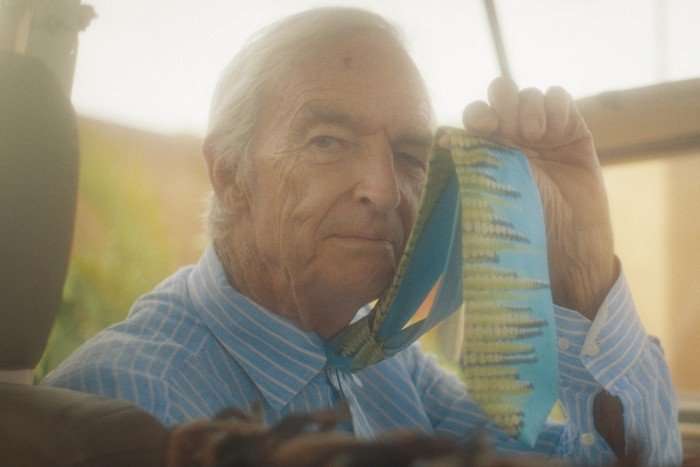
When we began filming, Jon was coy about his diagnosis. At one point during filming he stopped the conversation, saying, “Thank you for supporting me and making this happen.” Then we started talking openly. He’d wanted to hide his diagnosis initially because of the feeling of it encroaching on people’s perception of him.
We all know Jon as a newscaster and correspondent; a brave and selfless war correspondent. What Jon came to feel was: “That was me then. Nothing will detract from that. But this is who I am today. I have this disease, and it’s frustrating and sad, but can you just take me for who I am now?”
He’s adamant he can do good and wants this documentary to help people come out from the dark – you don’t have to hide.
Jon Snow: A Last Big Story is available on Channel 4 streaming.
The latest issue of Radio Times is out now – subscribe here.

Check out more of our Documentaries coverage or visit our TV Guide and Streaming Guide to find out what’s on. For more TV recommendations and reviews, listen to The Radio Times Podcast.