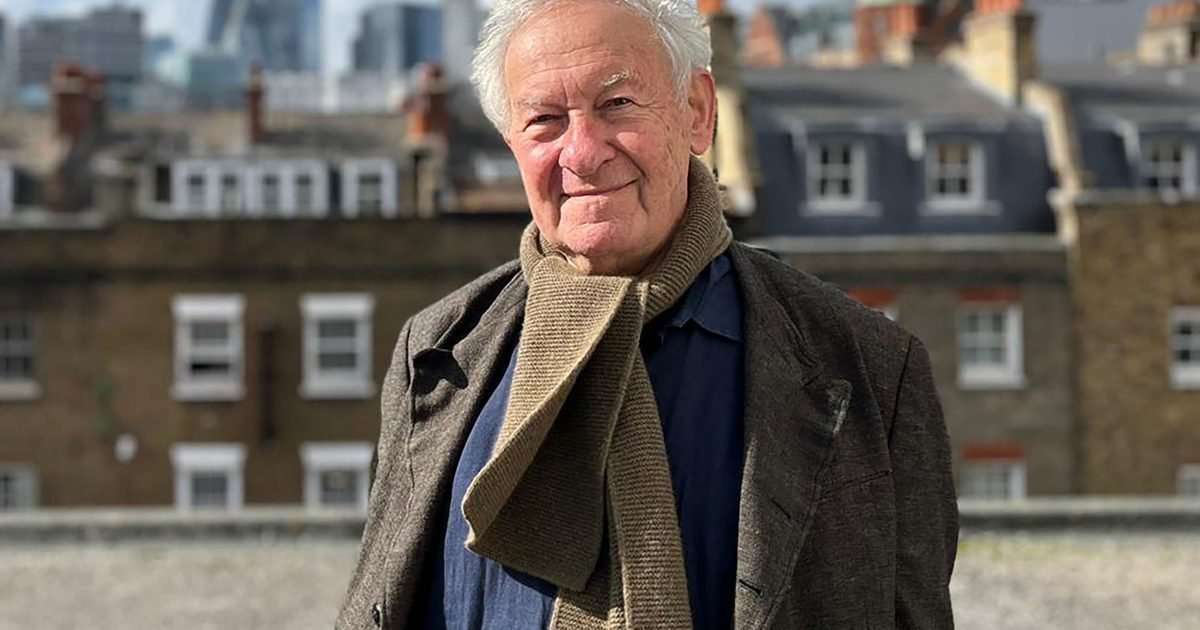
This comment piece first appeared in Radio Times magazine, as told to Michael Hodges.
In a digital world of short attention spans and online chatter, it has become the smart thing to say broadcast television is over. I disagree.
We live in a time when people are bombarded with a kind of meteorite shower of improbability and falsity; news comes thick and fast and is immediately distorted on social media. Consequently, events like the present conflict in the Middle East can lead to a screaming match of extremes; a kind of zero-sum game where “my truth means more than your truth”.
That’s why the BBC and its original Reithian aims of public service broadcasting are needed more than ever. If we are to successfully discern actual truth from fantasy, then we need to understand history.
The BBC can be a sort of safe house for truth; a place where, if you tell the story right, gaining knowledge can be a pleasure. At their best, the BBC’s documentaries allow people to be absorbed in a subject without having to declare allegiance to their particular tribe.
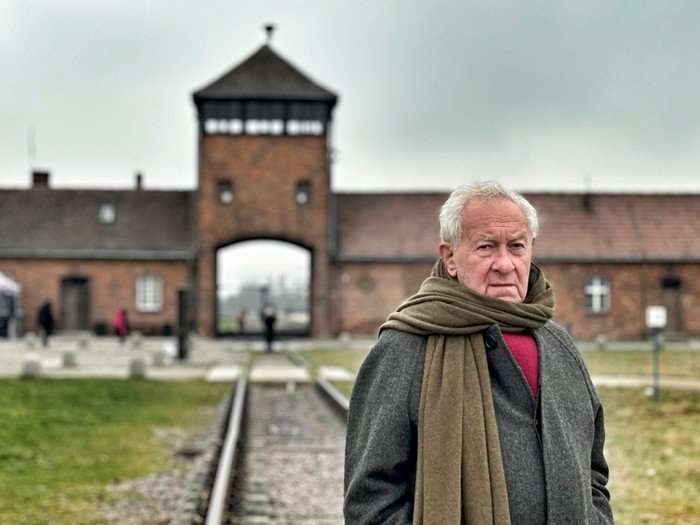
When I accepted a BAFTA for The Road to Auschwitz [the programme also won an Emmy under the title The Holocaust: 80 Years On] I meant it when I said, “Only the BBC would dare to make this”. Why? Because in commissioning and broadcasting our documentary, the BBC implicitly rejected the idea that you have to run for cover in the face of the noise and anger that the online digital age has brought.
I would like to see my Holocaust film and other BBC programmes become part of mainstream education in colleges and high schools in the UK and even America. We should take advantage of that one moment where kids don’t have their smartphones out; where they can be told important stories based on the truth and ask difficult questions at the same time.
Add Radio Times as a Preferred Source on Google
Keep up to date on what’s worth watching with your favourite entertainment news from Radio Times – see more of our exclusive news and interviews featured prominently in Top Stories when using Google.
Which platforms matter? As long as the BBC behaves with such determined bravery, I’m not too concerned about how people choose to engage with those stories – on laptops, mobiles or around the television. The actual process of film-making hasn’t changed at all. Haven’t you watched a full movie on your phone?
I think platforms are the least of the problems, but funding does worry me. Reform have said, if they form a government, they will abolish the licence fee. That would be a terrible blow, an absurd bit of national self-amputation. The BBC is internationally respected. Trust me, if you live in the US for as long as I have, you realise just how good the BBC really is.
A populist narrative around the licence fee is not a new phenomenon. In 1986, when the licence fee was increased from £46 to £58, and Mrs Thatcher was talking about the BBC taking advertising, John Cleese starred in a short film for the BBC. It was a parody of a famous scene in Monty Python’s Life of Brian. Cleese goes into a pub and asks, “What has the BBC ever done for us?” The pub’s regulars, BBC stars like David Attenborough, Terry Wogan and Esther Rantzen tell him just how many things we get for the licence fee.
Want to see this content?
This page contains content provided by YouTube. We ask for your permission before anything is loaded, as YouTube may use cookies and other technologies. To view this content, choose ‘Accept and continue’ to allow YouTube and its required purposes.
We still do, though the BBC must now operate in an attention economy where a fierce social media amplifies the instinct to grouse. But technical advances don’t have to be negative or take over our national narrative. When the Industrial Revolution was in full flow during the 19th century, Charles Dickens was, at the same time, producing serious work every week in magazines that people queued to buy. Moreover, Dickens’s books were criticising the very industrial system that was keeping the country alive.
Today it remains one of our great national virtues that we can hold more than two things together and still recognise them as British. Someone should be shouting out loud about how great the BBC is. I suppose it should be me and, if asked, I shall. Maybe even if I’m not asked.
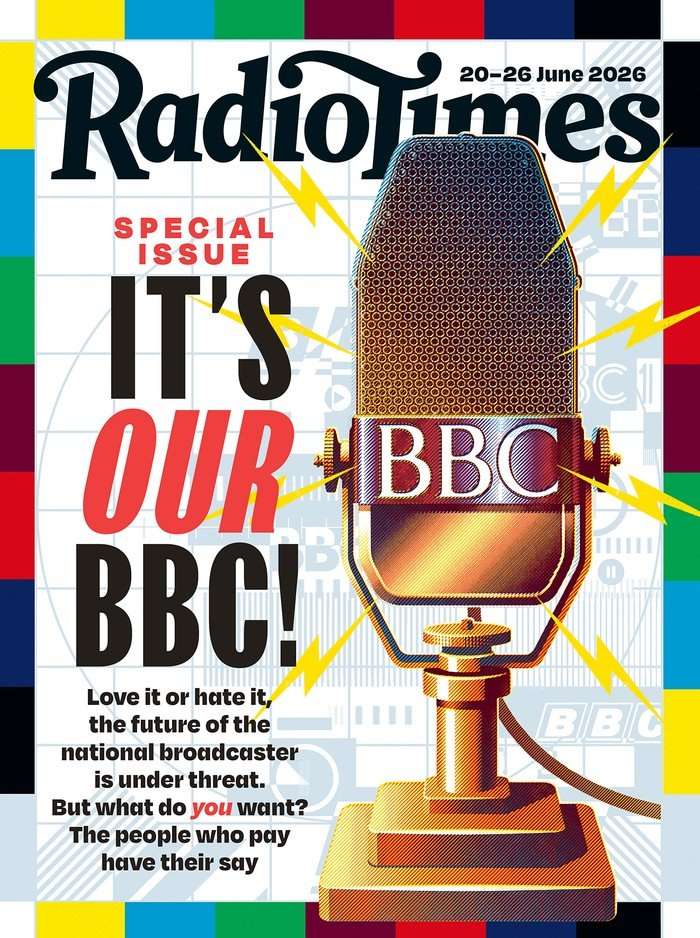
The latest issue of Radio Times is out now – subscribe here.
Check out more of our Current Affairs coverage or visit our TV Guide and Streaming Guide to find out what’s on. For more TV recommendations and reviews, listen to The Radio Times Podcast.