Adam Page on the pioneering TV shows that dared to be complex before complexity was allowed…

I want to talk about something that I think a lot of people have either forgotten about the nineties or, if you’re of a younger age, just aren’t aware of. I’m not talking about the glossy, Friends-sofa, Central Perk version you’ve seen recently on Netflix, the version polished into myth by nostalgia sellers and other streaming algorithms. I mean the real nineties, which smelled of cigarette smoke and conspiracy. A decade when television, usually dismissed as a babysitter or lowest common denominator machine, quietly, almost with embarrassment, started doing something incredible. And maybe as expected, it wouldn’t be given credit until it was far too late, and that credit had been given to someone else.
The conventional story is that television was a vast, uninspired wasteland until Tony Soprano settled down into his psychiatrist’s chair, and everything changed. The Sopranos hit our screens in 1999 and supposedly invented complexity. We had moral ambiguity, with serialised storytelling. We had an antihero, with long-form narrative arcs. Apparently, before Tony, there was nothing. Just laugh-tracks, procedurals, and people solving various murders in 43 minutes and a wise-crack.
That story is crap, and it is crap in a way that should infuriate anyone who spent their Friday nights in the mid-nineties mainlining something that was way stranger, way more paranoid, and I would argue more ambitious than anything prestige television would give us for years to come.
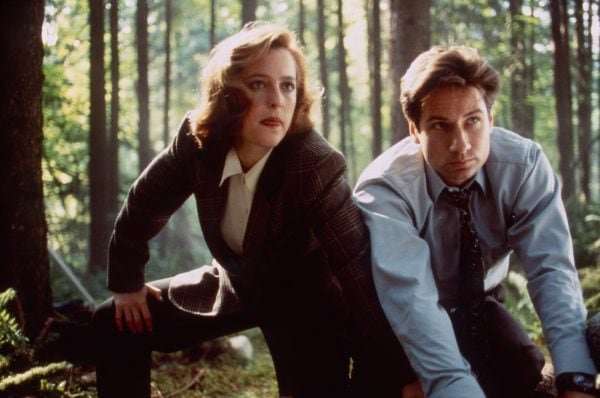
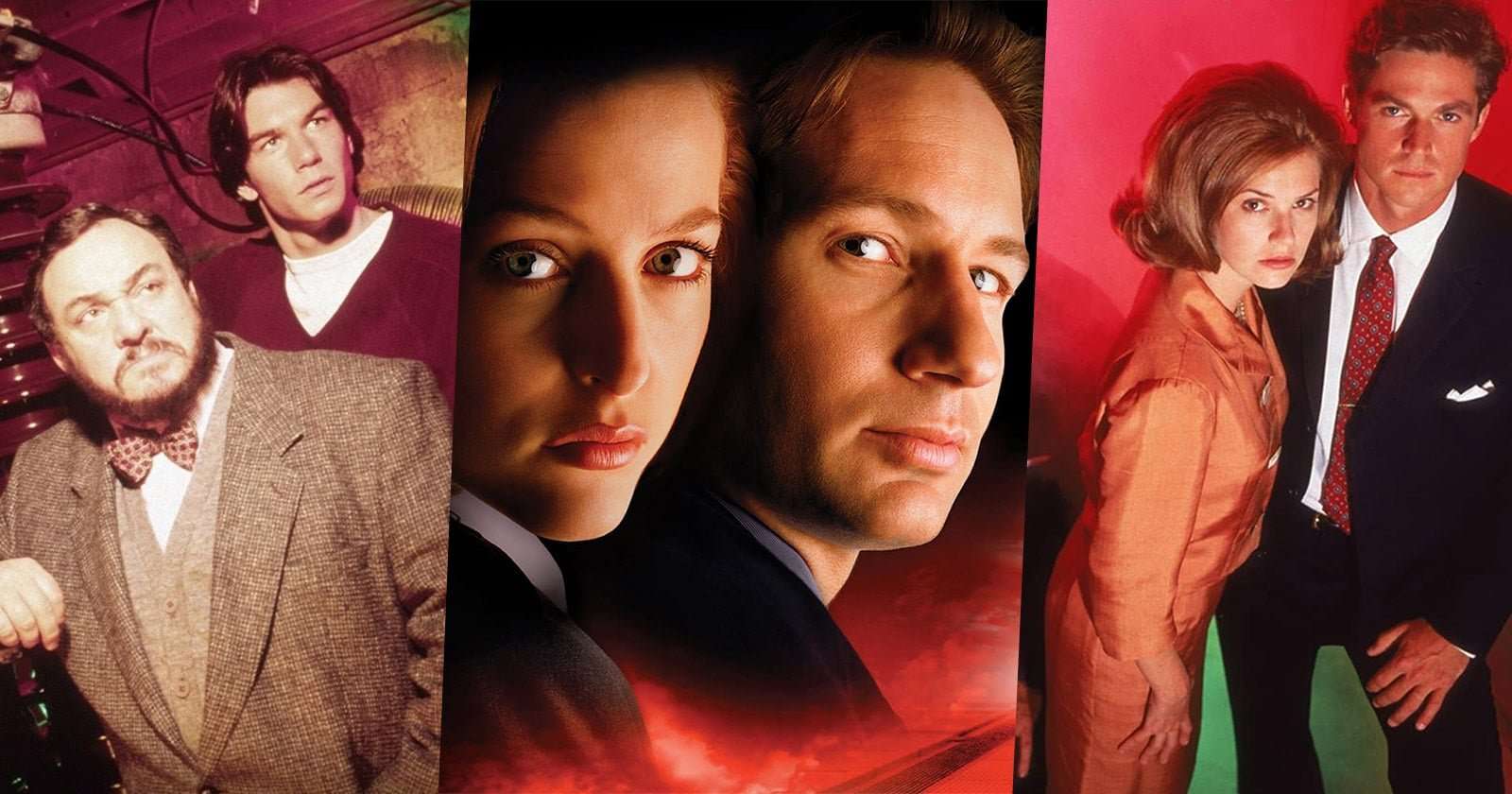
Let’s start with The X-Files. That fevered masterpiece from Chris Carter premiered in September 1993 on Fox; a network that, even at that time, had all the institutional credibility of a county fair. Nobody expected anything from it. And what they got was a show which understood something a lot of writers hadn’t grasped yet: that the audience was a lot smarter than the suits gave them credit for. And that the viewers could hold a mythology in their heads across the seasons and months. A story didn’t need to be resolved by the time the credits rolled. The X-Files built an overarching alien conspiracy narrative of baroque and Byzantine complexity across nine seasons. It was a conspiracy that involved government cover-ups, plans to colonise the Earth, black oil, and a shadow organisation of old men in expensive suits doing horrific things for reasons that just kept shifting. Was it always coherent? Hell, no. Did it occasionally disappear up its own mythological backside like a snake eating itself? Hell, yes. But it was reaching for something. It treated serialised television like a novel, or a living document, as something you had to keep up with or get left behind. In 1993. Four years before The Sopranos was even a pitch document.
But the thing about The X-Files that people forget in their mad rush to give it adequate credit is, it was more than mythology. It had fantastic “monster of the week” episodes. “Jose Chung’s From Outer Space”, “Clyde Bruckman’s Final Repose”, “Bad Blood”. “Home”, which is still, and I really mean this, one of the most disturbing episodes of television ever created. These weren’t genre television in any dismissive sense of that term. They were formally inventive and daring works of television art.
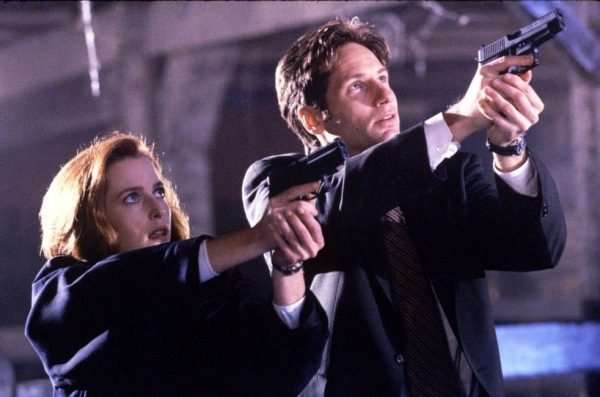
Darin Morgan is a writer whose name should be mentioned in the same reverential breath as David Chase or Matthew Weiner, and he was doing unreliable narrators, tragi-comic horror and postmodern deconstruction long before those terms found a home on the prestige television résumé. The X-Files was a laboratory, doing things that shouldn’t have been possible in the network hour.
Then we had Millennium, Chris Carter’s second show which arrived in 1996, and may be the most criminally underappreciated piece of American television ever made. The eternally great Lance Henrickson played Frank Black, a former FBI profiler with the ability to see through the eyes of killers, and now living in Seattle with his wife and daughter while trying to protect them from the darkness he senses pressing in from all directions. Millennium was not what we would call comfortable viewing. It was dark in that way that only shows made by people who have truly thought about evil can be dark. It wasn’t the operatic and stylised darkness of a prestige show that wants you to find the villain seductive, but a grey and exhausted, spiritually depleted darkness of a man who has stared into enough faces to know just what humans are capable of.
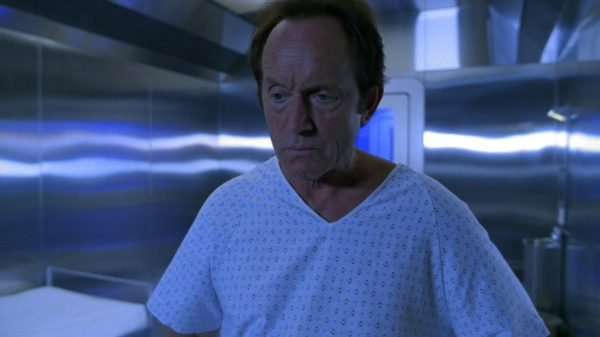
For my money, the first season remains one of the most sustained and formally serious pieces of television ever produced. The second season was given to the team behind The X-Files and they exploded it into something weirder and more complex, mythologically. The third season, scrambling around after a mid-season cancellation announcement, became something else again; a strange, mournful reckoning. I don’t think there was a single show in the nineties that wore its ambition more openly and paid more dearly for it. The show was cancelled in 1999 and its central mythology left unresolved. Its characters were adrift and the audience, small but devoted, were left standing in the wreckage. Frank Black deserved better. We all did.
We also had shows that didn’t even get the benefit of a retrospective reputation. Nowhere Man originally ran on UPN for one season across 1995-96. Bruce Greenwood played Thomas Veil, a photojournalist who goes to the bathroom for a smoke during dinner with his wife. When he returns, he finds his identity has been erased. His wife doesn’t recognise him, his bank accounts don’t exist and his friends have no idea who he is. The reason, it emerges, involves a single picture he took in an unnamed Latin American warzone. What comes next is a season-long, paranoid odyssey through a United States functioning as a surveillance state, and hall of mirrors. A place where institutional power can just reach into someone’s life and hollow it out. Orwell, Kafka, The Prisoner, all are invoked and explicitly extended. Nowhere Man did psychological conspiracy thriller with the formal commitment that later would be praised in shows like The Americans, and it did it with very little resources, on a network that nobody watched and was cancelled after one season. Of course it was, because the nineties had no mercy for ambition wearing genre’s clothes. Nowhere Man created a whole season of television out of a single Kafkaesque premise and it had the audacity to sustain it. Most prestige dramas today can’t keep that kind of dread up for three episodes.
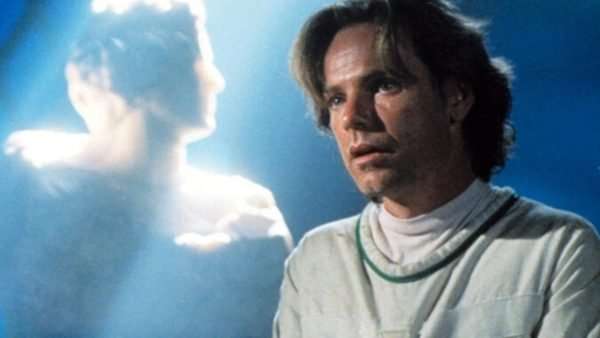
Dark Skies aired on NBC in 1996-97, and attempted something revolutionary for the time: a recontextualisation of post-war American history as alien intervention. Everything from the Kennedy assassination onwards was a thread in an extraterrestrial conspiracy. The approach the show took was methodical, used period detail with an almost archaeological care and grounded its slightly outlandish premise in the real texture of American political history. It was doing prestige-drama research on a network-TV budget. Its story had barely begun when it was cancelled after one season, leaving us with twenty-three episodes and a whole alternative history of America that exists nowhere else.
Sliders aired on Fox in 1995 and began as something genuinely interesting: Jerry O’Connell and John-Rhys Davies sliding between parallel Earths, with each one a thought experiment, or road-not-taken taken. It was a philosophical proposition dressed up as sci-fi adventure television. What if penicillin had never been discovered? What if the Soviets had won the Cold War? What if California had been wiped out by an earthquake? Its early seasons were doing the sort of speculative world-building that sci-fi literature prizes most highly, and compressing it into a network hour of forty-five minutes. But cast departures, network interference, and five seasons of built up creative damage finally ground it down into something unrecognisable. But, man, those early seasons. Those seasons were something else entirely.
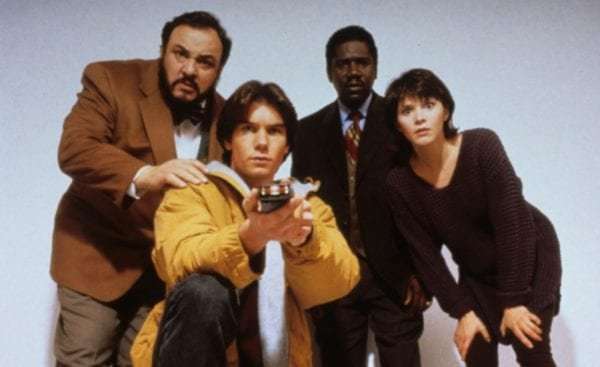
So why is it that we don’t remember them the right way? Why doesn’t the critical consensus acknowledge that the architecture of what we now call Peak TV was built, in massive part, from material these shows quarried at great professional and personal cost?
Part of it is plain old snobbery, which is always the simplest explanation and usually the right one. Genre television; horror, supernatural thriller, sci-fi, was always treated like the servant’s entrance of serious storytelling. Critics would hammer out three thousand words on the symbolism of Tony Soprano’s ducks, but couldn’t bring themselves to engage with the real theological weight of Millennium’s eschatological anxiety, or the real political paranoia in the mythology of The X-Files. If aliens or monsters were involved, or a man sliding between different Earths, it wasn’t serious. It was for obsessives and kids. It didn’t count.
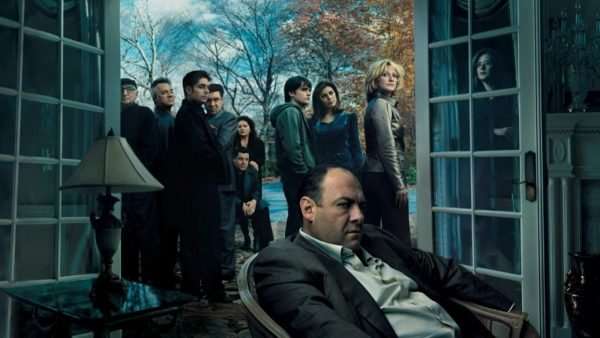
Part of it is really the economics of critical memory. The Sopranos arrived with the full weight of HBO’s institutional prestige behind it, the weight of pay cable which had decided, through corporate strategy, that it was going to be taken seriously, damnit. HBO said this was important television, and the critics had the infrastructure to agree. Back when Fox said The X-Files was important television, the critics were still tuning their instruments.
And part of it, of course, is just what happens to things that got cancelled before they could finish. Millennium didn’t get its ending. There was no third act for Dark Skies. Nowhere Man basically just stopped mid-thought, mid-sentence.
The stories that prestige television tells about itself are ones with endings. Or at the very least, stories with middles satisfying enough that the lack of an ending becomes a critical talking point and not a wound. These shows were killed off before they could complete themselves, and incomplete shows are harder to defend, and harder to fit into the narrative of television’s ascent. These shows reached for the moon, climbing a ladder of Fox interference and network notes. It’s a miracle they managed to get as high as they did. And it’s a crime that we’ve forgotten them.
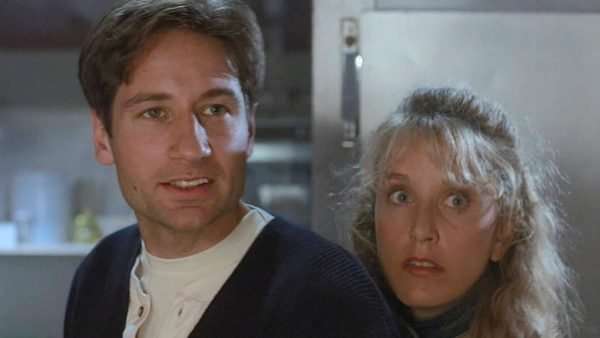
But there’s something I keep coming back to. Now when I watch the first three seasons of The X-Files, and I do now and then because there’s worse ways to spend a Tuesday night, I’m not watching a historical artefact. I’m watching something that understood the facts about late twentieth-century American anxiety that no other serious drama would have touched. The fear that the government had been systematically and comprehensively lying to you for your whole life. The fear that those institutions you’d been raised to believe were protecting you were, in fact, the instruments of your oppression. And the fear that, somewhere above the elected officials and bureaucrats, men were making decisions that would affect the shape of your world and they wouldn’t be held accountable. In 1993, this wasn’t paranoid fantasy, it was lived American experience. The X-Files just had the nerve to put it on television and say yes, your fear is correct, and you should be afraid. The truth is out there and they are keeping it from you.
This isn’t escapism, it’s engagement with the real. It’s just that it’s engagement wearing a trench coat and filed away under genre.
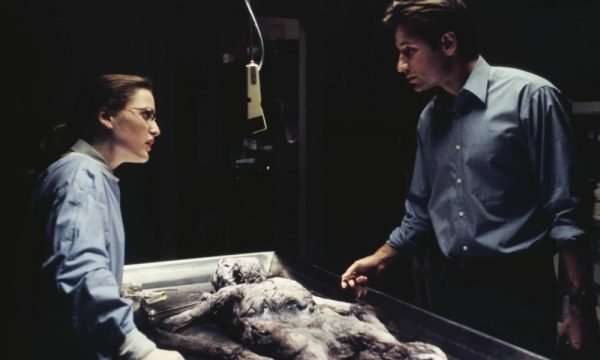
The nineties cult TV shows were doing the work long before the work was considered worthy of attention. They were creating the vocabulary of the unreliable narrative, the serialised arc, the institutional conspiracy, and the long build-up of dread that prestige dramas would later use to huge critical acclaim.
And somebody ought to say their names: Thomas Veil. Frank Black. John Loengard. Quinn Mallory. Mulder and Scully, yes, and all the others. Those characters who lived in the margins of that decade, and spoke to the anxious, the alienated and genre-obsessed in a language that no-one else was willing to use. They deserve a lot better than the small footnote they’ve been given in the golden age of television’s official history.
Someone once said, the truth is out there.
The tragedy is that nobody went looking for it.
Adam Page