Ricky Gervais knows a thing or two about what makes great comedy. From The Office and Extras through to Derek and After Life, his own work has often drawn on the same ingredients: trapped characters, awkward truths, frustration, failure and, somewhere beneath it all, a surprising amount of warmth.
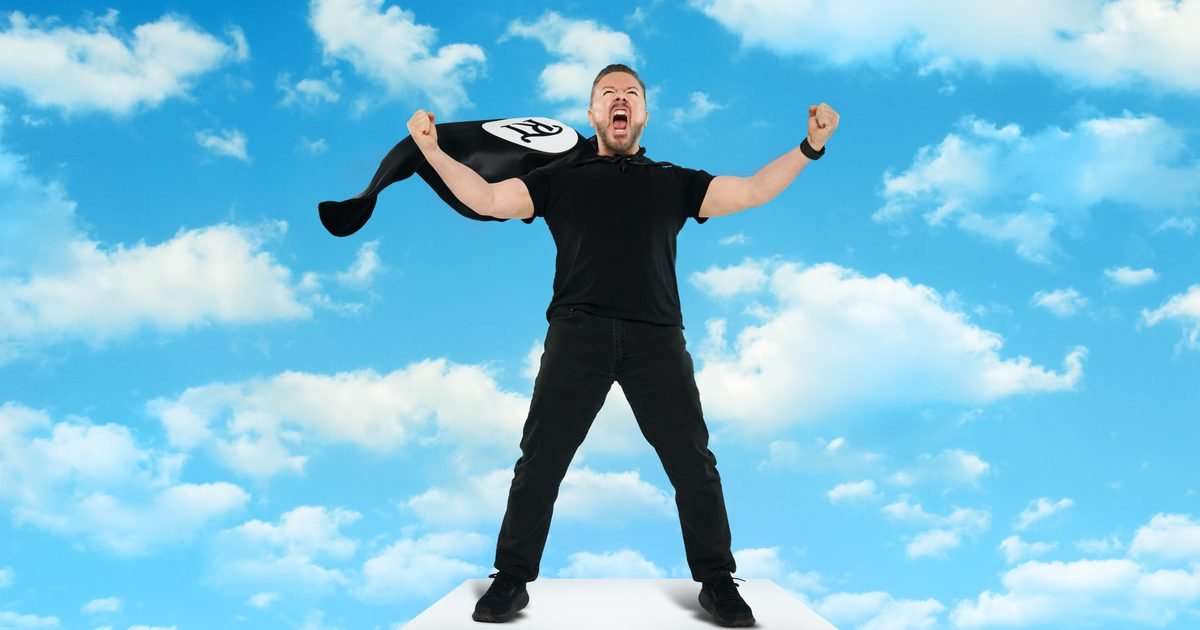
It’s an approach that has clearly struck a chord with viewers, with After Life recently topping Radio Times’s poll to find the best British comedy of the past 15 years. The Netflix series saw off stiff competition from the likes of Ghosts, Derry Girls, Gavin & Stacey and Detectorists, with fans continuing to connect with its blend of sharp humour, grief and emotional honesty.
Following that win, Gervais spoke to Radio Times about the shows that helped shape his own comic sensibility – and the list reveals plenty about the DNA of his work. There are status-obsessed men on the verge of collapse, wisecrackers who can’t help having the last word, makeshift families trapped together, and characters who keep trying even when life repeatedly puts them back at square one.
Here, he talks through the TV shows – and a couple of films – that influenced him most.
1. Monty Python’s Flying Circus
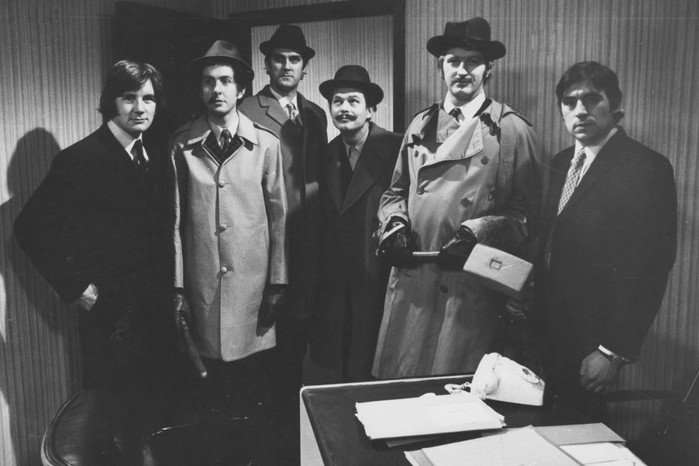
I was probably eight or nine, watching it with my older brother and sisters, and I can’t remember whether I loved it or liked it because they were laughing.
Even though I probably didn’t understand the material, I knew they were brilliantly crafted, like the Dead Parrot sketch, or John Cleese doing the Ministry of Silly Walks, which is one of the funniest things I’ve ever seen, the fact that he’s a middle-aged man in a suit and a bowler hat, and he’s doing this stuff. He looks like a demented alien.
I remember thinking “that’s great physical comedy”, and I also like the fact that it undermines societal norms. It was always the executive or the bishop, the teacher or the policeman that was on the back foot.
2. Fawlty Towers
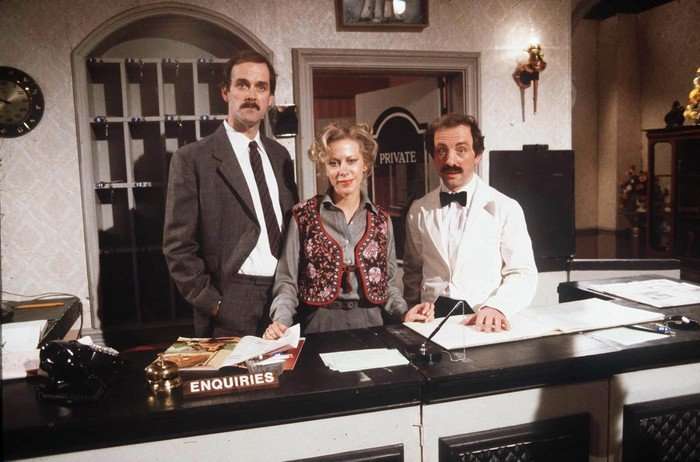
When I first saw it, I thought it was the greatest sitcom ever written, and I still feel that. It was a farce, but the greatest farce ever. Farces form some of the best things I’ve ever seen, like Michael Frayn’s Noises Off.
I couldn’t I couldn’t start to do something that complex and brilliant. Fawlty Towers was a big influence on me, with the central character thinking he was better than the rest and not being able to get what he wanted, everything beneath him and him so frustrated and serious.
3. Cheers
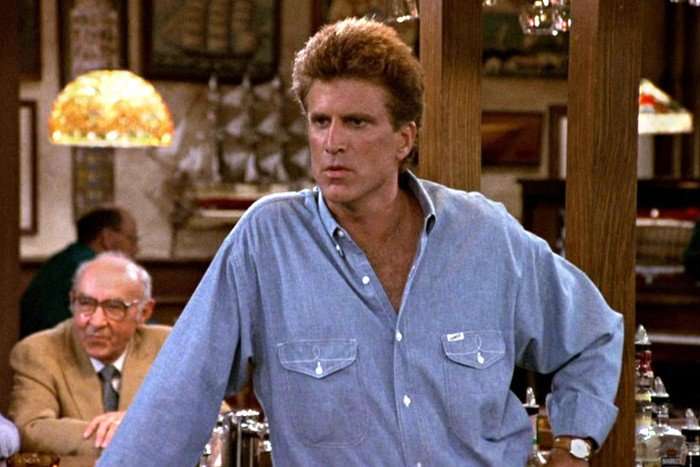
I was probably a teenager when I watched it, and I liked the warm relationships. It wasn’t just about comedy; everyone had a relationship. In fact, Tim from The Office was a cross between Norm in Cheers and a bloke I worked with, a kind of underachieving wisecracker.
I did like that guy, he had something that Woody Allen had, and also Lisa Simpson, that it doesn’t pay to be the smartest person in the room. You can keep talking, but who are you to talk? You’re in a bar. You’re wisecracking, but where are you in life?
4. The Simpsons
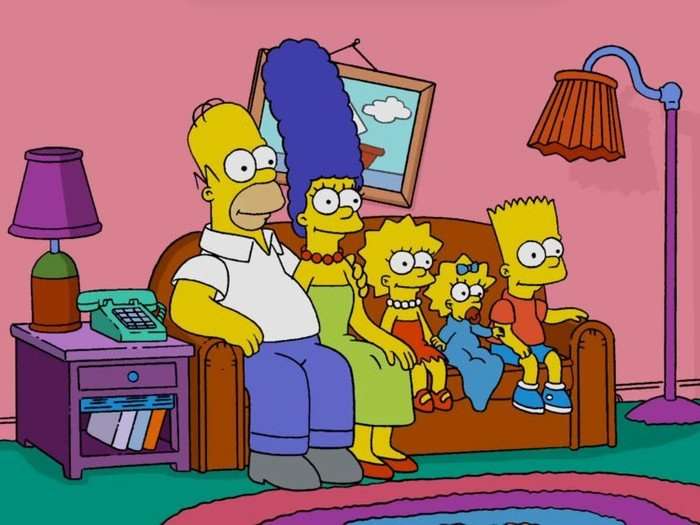
When this came along, I thought it was the greatest show, never mind the greatest comedy. I love that their world just kept growing, it was far more than just four people sitting on a sofa. That’s why I always do shows with multiple characters who grow, I did it with After Life, where even the town was a character. I got that from The Simpsons.
5. Curb Your Enthusiasm
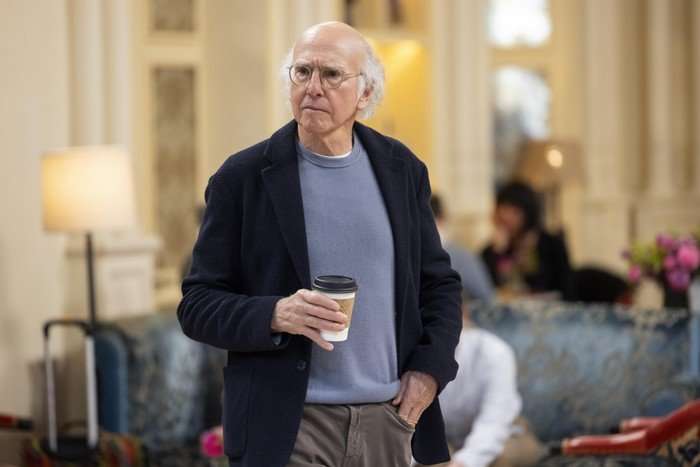
Some people say, “I had to watch The Office through my fingers.” I get it. When I watch Curb Your Enthusiasm, I think it’s 10 times more awkward than The Office. I said to Larry David, “The thing is, 95 per cent of the time, Larry’s right,” and he said, “No, 100 per cent of the time.”
He did the same thing with Seinfeld, they took a foible, a beef, and never let it drop. They never, ever say, “Whatever.” Instead, they studied this thing like it was the most important thing in the world. Can’t let it go. Have to have the last word. And I love that.
6. This Is Spinal Tap
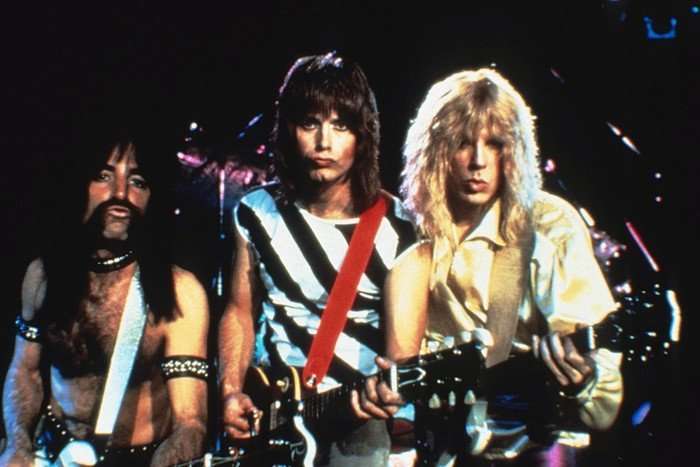
I have to mention two films. Spinal Tap was a direct influence on everything I’ve done, and I love Laurel and Hardy because they were bottom of the pile. It was set in The Depression of America, they even shared a bed, but they always had a go, and kept trying. They taught me, “Keep going.”
7. The Fall and Rise of Reginald Perrin
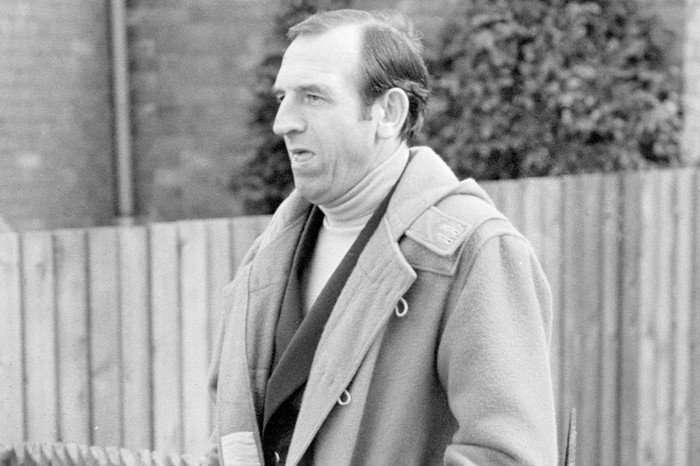
I thought it was the cleverest sitcom I’d ever seen, before I discovered it was originally a novel. I love the quietness, the tension, the middle-class suffocation of a man having a breakdown and wants more out of life. I’d also have to put Leonard Rossiter in Rising Damp. That to me is the quintessential sitcom, with four main characters, all trapped, either literally or emotionally. It’s the same with Steptoe and Son. You want to shout, “Why don’t you just leave home?” Because it’s his dad, and you’ve got a responsibility. He’s making your life hell, but you love him, so you stay.
8. The Likely Lads / Whatever Happened to the Likely Lads?
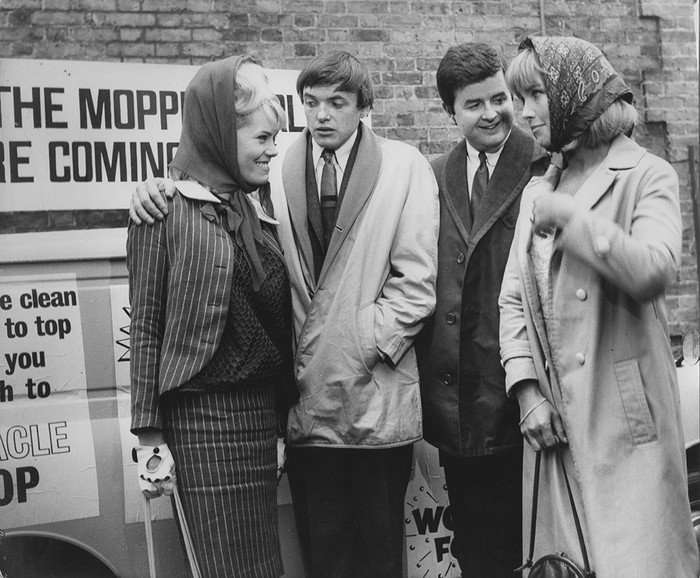
I watched it when I was very young, and it was the first time I saw kitchen sink done lightly and beautifully. It’s two lads, one of them gets married, but they’re still in the same place. It had a feeling, and a mood.
9. The Phil Silvers Show
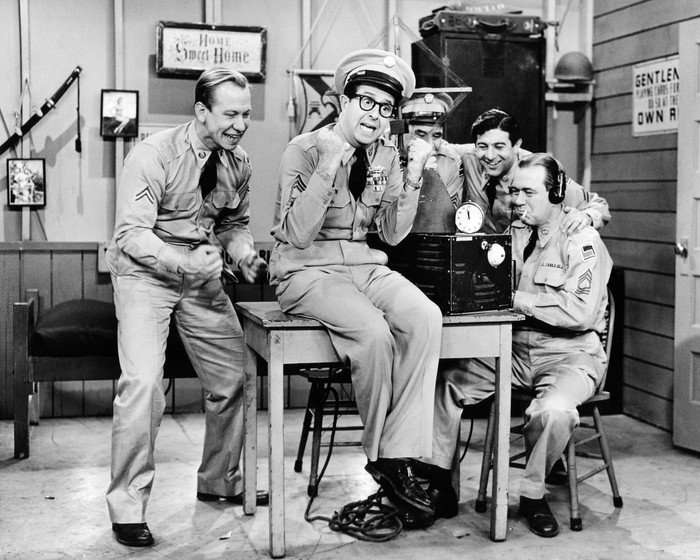
Again it’s that wisecracker, that central character trying to be Bob Hope or Woody Allen. He always has a bright idea, and he always ends back at square one, with the gang slightly worse off than they left. He’s thrown together with these idiots, but none of them would change it for the world.
10. Porridge
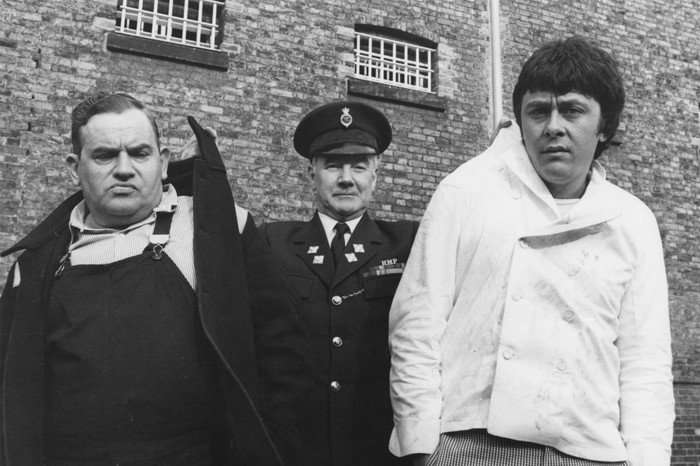
The other thing about sitcom, is that it’s got to be a family, either literal or metaphorical. There’s a reason why most great sitcoms are about a family, it’s because we know why they’re there.
We know they love each other, and we know they’re stuck with each other. In Porridge, it was about Fletcher looking after Godber and them reminding each other, “Don’t let the bastards grind you down.”
Check out more of our Comedy coverage or visit our TV Guide and Streaming Guide to find out what’s on. For more TV recommendations and reviews, listen to The Radio Times Podcast.