Doctor Who is regenerating in a big way.

The BBC has confirmed that the Christmas special has been cancelled and the show is being “put out to tender”, meaning that production companies will be invited to pitch their ideas for the show.
That also means that Bad Wolf won’t produce Doctor Who anymore and Russell T Davies will no longer be the showrunner. Andy Pryor, who has cast every Doctor since 2005, has also stepped down, and it’s likely the show won’t be back on air until at least 2028.
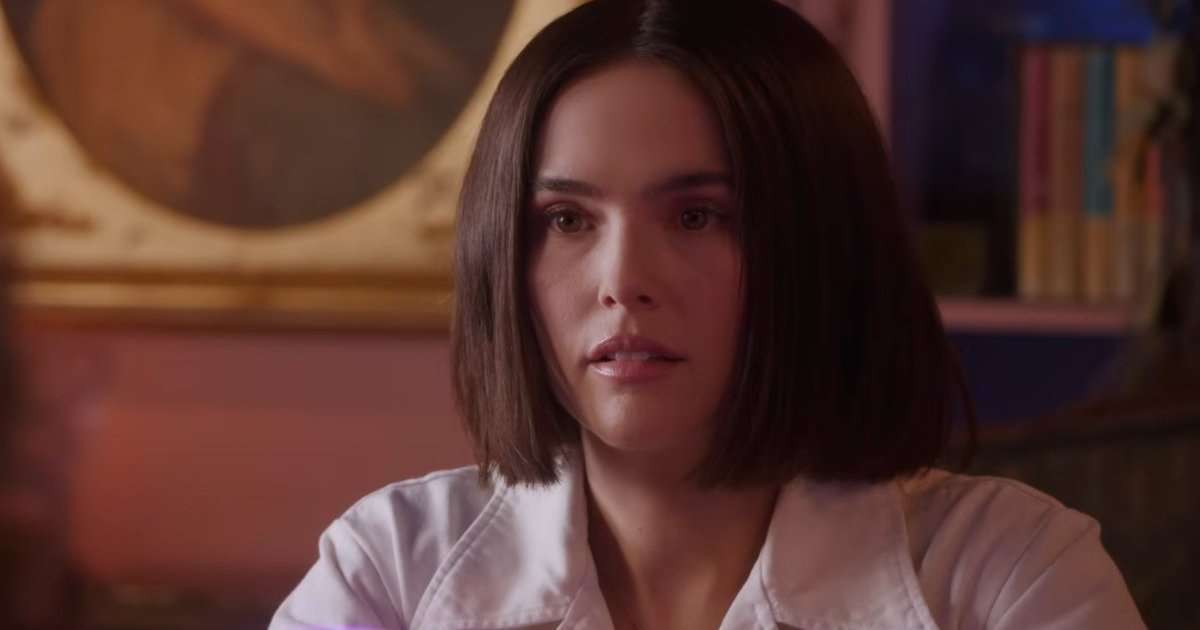
If this sounds a little apocalyptic to you, you’re not alone. Naturally, headlines and social media have been ablaze with claims that Doctor Who itself has been “cancelled” — it hasn’t! But, of course it’s incredibly disappointing for fans to hear that the Christmas special that was being teased is no longer happening, particularly after various threads were left completely up in the air in The Reality War – most notably, Billie Piper’s return and what on Earth that means.
But there is a world in which this could be a good thing.
Doctor Who has quite clearly been facing a tricky time recently, following the end of the deal with Disney and the departure of lead actor Ncuti Gatwa.
Although there are many reasons for this – including the huge changes to the TV landscape in the past few years – the ratings for seasons 14 and 15 weren’t exactly the highest the show’s ever seen. That’s not to say there weren’t moments of magic, but it’s fair to say the run as a whole had its problems.
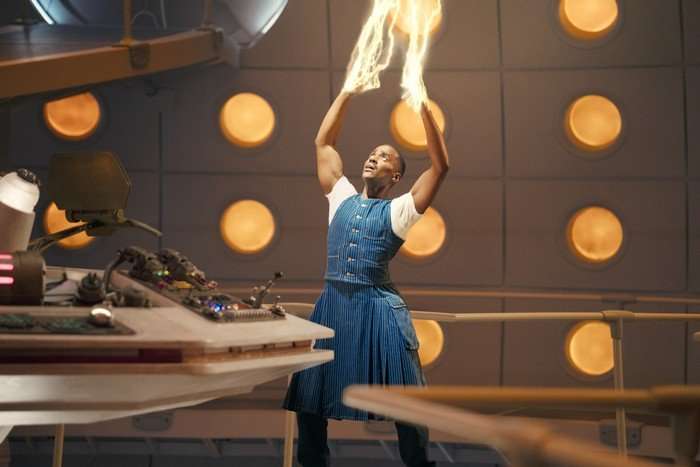
Rather than rushing out a half-hearted Christmas special, an extended break for Doctor Who would not only give fans a chance to miss the show, but it would also allow for a much-needed reset.
It gives time for other production companies to pitch their visions, and for the powers that be time to consider what Doctor Who needs to be. They need to assess where it’s succeeded and where it’s failed, what needs to stay and what needs to change and, ultimately, what the next era of Doctor Who should look like.
Don’t forget, Doctor Who has already survived an extended hiatus, in what’s referred to as the ‘Wilderness Years’ – the 16-year gap between the classic series of the show and the modern reboot. Love for the show didn’t go away – quite the opposite! Fans came out in their droves to support the series and it was a period of massive creativity.
And, when Doctor Who did come back in 2005, it was hugely successful. There’s no reason it can’t survive another hiatus – although I’m certainly hoping it won’t be off air for quite so long this time.
But I’ve got one caveat to all of this and it might be a controversial one. When it does return, I think Doctor Who still needs to wrap up certain storylines.
I don’t mean it has to pick up exactly where it left off – but there has to be some explanation of where things had been concluded in The Reality War, even if it’s just with a small mention or a brief scene. Fans can’t be left hanging and we can’t just ignore the Billie Piper of it all, or how Carole Ann Ford’s return as Susan was left.
If storylines can just be abandoned and go nowhere, that sets a dangerous precedent for a series with such a passionate fanbase. It would be a disservice to fans to ask them to invest in years’ worth of storylines, only for that to amount to nothing. Because how can they then invest in the next era of the show, knowing this could all happen again?
It may seem like an impossible ask for those storylines to be wrapped up. After all, if another production company and another showrunner take over Doctor Who, they will likely want to start afresh. But can you ever start completely afresh with Doctor Who? For better or for worse, the beloved series has a long 63-year history that needs to be honoured in whatever form it’ll take in the future.
Add Radio Times as a Preferred Source on Google
Keep up to date on what’s worth watching with your favourite entertainment news from Radio Times – see more of our exclusive news and interviews featured prominently in Top Stories when using Google.

Doctor Who may have changed more times than we can count, been through different iterations, disappeared and then returned again, but it’s still the same show. Its success rests on it adapting and evolving while still honouring its past, no matter how messy, and no matter how inconvenient that might be for whoever takes it on next.
After all, isn’t that past legacy the main reason Doctor Who has survived thus far? From that very first regeneration, it’s had reinvention baked into its DNA. Much unlike any other franchise, it’s built to survive.
As of right now, nothing is confirmed. While that’s terrifying, it’s also, in some ways, very exciting. As a Doctor Who fan, I’ve never been more uncertain about where the show will go in the future. But I am very sure about one thing: Doctor Who will survive. It always does.
Doctor Who is available to stream on BBC iPlayer. Dive into our Doctor Who story guide: reviews of every episode since 1963, plus cast & crew listings, production trivia, and exclusive material from the Radio Times archive.
Add Doctor Who to your watchlist on the Radio Times: What to Watch app – download now for daily TV recommendations, features and more.
Check out more of our Sci-fi coverage or visit our TV Guide and Streaming Guide to find out what’s on. For more TV recommendations and reviews, listen to The Radio Times Podcast.