It’s time to venture back to when cinemas had a new comedy every week, with the essential comedy movies of 2006…
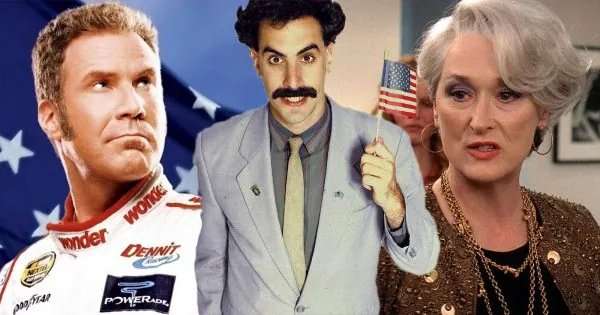
If there’s one genre that feels like it needs a shot in the arm, it’s the comedy genre. There was a time not too long ago when it felt like we had specialists, and we had films coming out once a week on the big screen. The films often pushed the boundaries of taste, satire, or just delivered unabashed silliness.
2026 feels like a time when studios either tread on eggshells and don’t want to risk money for theatrical releases. Or there’s a flipside with streaming originals (particularly Netflix), which remain fairly open to what some might call anti-woke comedy. Great, IF the films or specials are actually funny. There can often be a preoccupation with tackling jokes or subjects sure to offend, without thinking of the key components of making something funny. Too many comedies these days feel like they’re cynically produced to either offend or appease, forgetting to simply entertain.
Perhaps 20 years ago, things were simpler. They just made what they wanted, how they wanted it, and more importantly, with a little bit of effort to make an audience laugh. Let’s take a look back at the essential comedy movies of 2006…
Idiocracy
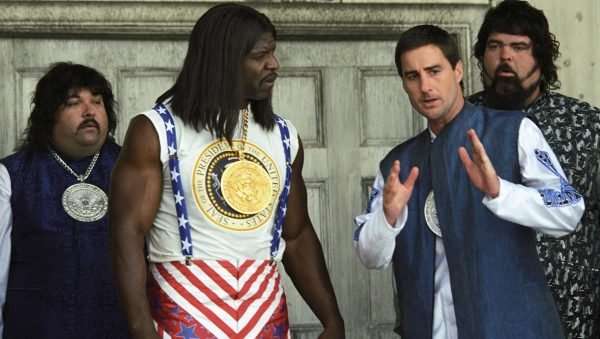
Imagine making a goofball, satirical sci-fi comedy set 500 years in the future, in a world that has seen a drastic fall in intelligence, and leaving people prone to simple populism, slaves to convenience, and incredibly lazy. A former star turned nonsense-spouting, grossly unintelligent president felt like a farcical prediction, and Idiocracy’s bizarre yet prescient view of the future was once a warning, but now feels relatively understated compared to real life.
Mike Judge’s film is gleefully bonkers and colourful. It’s got all his trademark silliness. Luke Wilson spot on as the distinctly average Joe, flung into a future world (of bizarre characters and situations), suddenly finding himself as the most intelligent man on Earth.
Borat
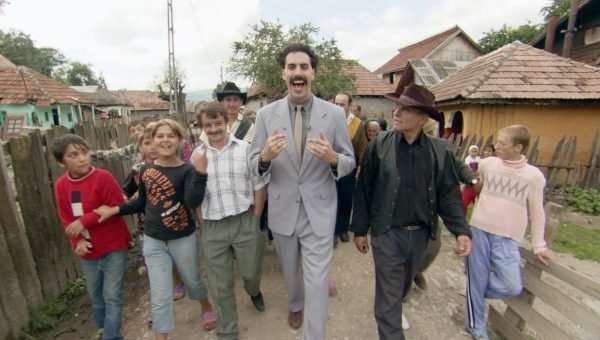
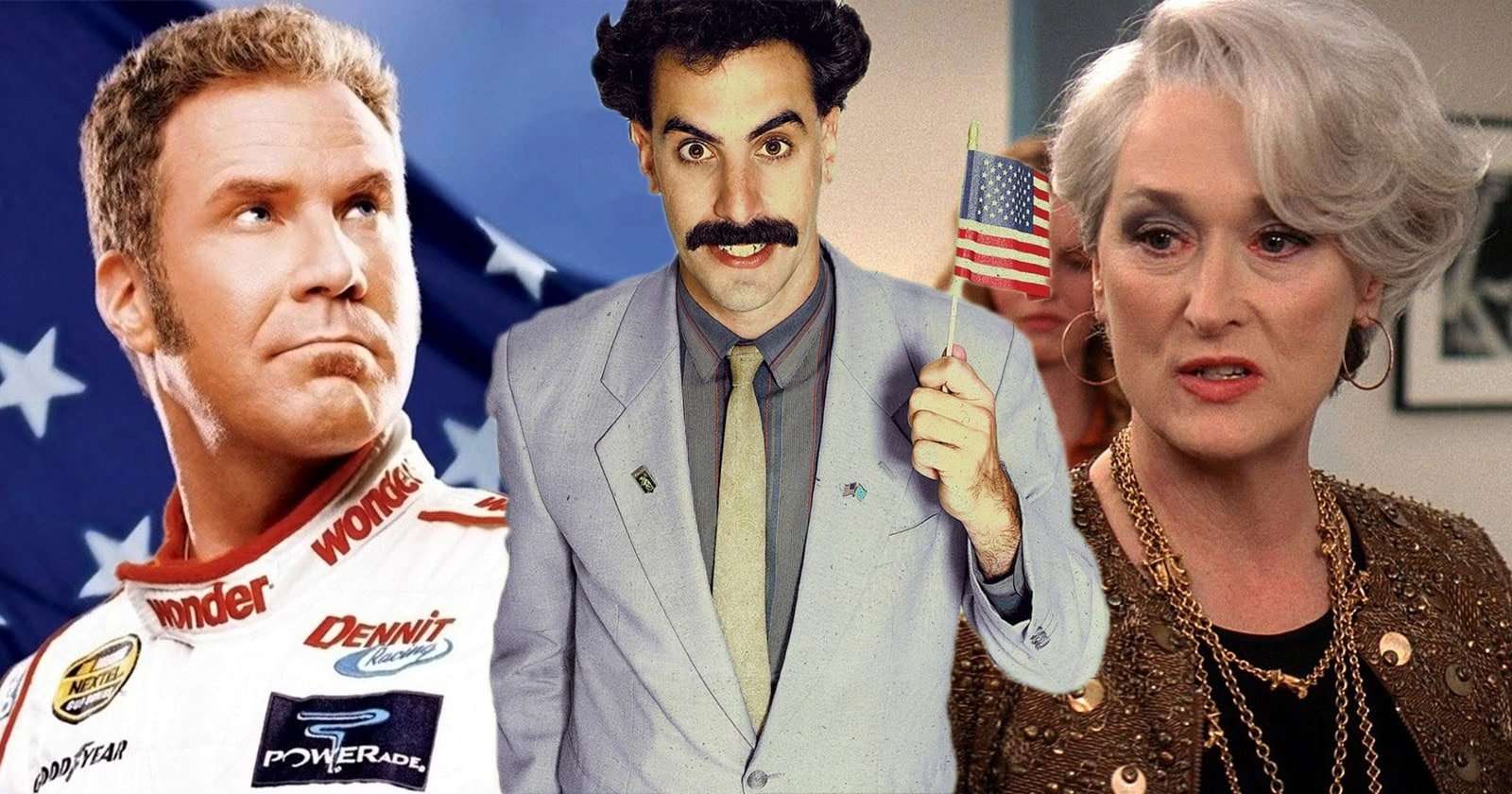
Did Borat punch down? In some moments, but Sacha Baron Cohen’s crowning achievement, directed by Larry Charles, perfectly blended carefully structured farce with the gems you can only get by interviewing or engaging with real people via subterfuge. Pretty soon, the mix of actors and real folk blends perfectly together, and Cohen’s character is relentlessly chaotic.
It’s a brilliant mix of satire, observational humour, tomfoolery, and utterly bizarre and outrageous sequences. Despite it all and the ridiculousness of Borat himself, Cohen somehow manages to give him moments of sincerity whilst unpicking just how easily people (even those who might deem themselves intelligent) can be made to look foolish.
The Devil Wears Prada
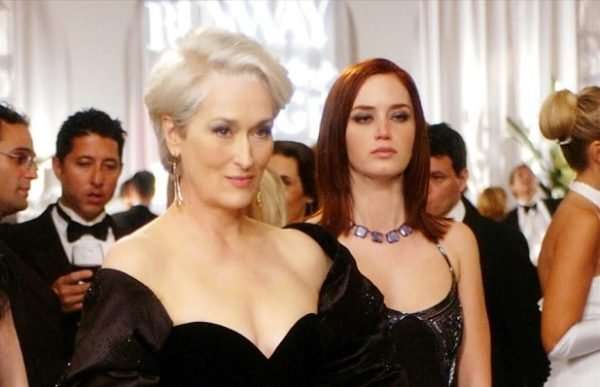
A star-powered film that very quickly grew a cult following. We’ve finally seen the long-awaited sequel arrive recently to embellish the legacy. Meryl Streep was iconic in the first film, backed by enjoyable work from Anne Hathaway, Emily Blunt, and Stanley Tucci.
Based on the novel, the film was pure Hollywood glitz and a classic underdog story, filled with sharp lines and wry observations on the cutthroat worlds of fashion and media.
Talladega Nights
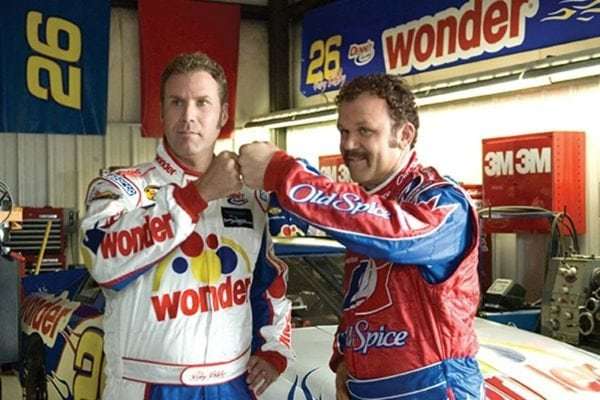
A film so enjoyable that even the perennially serious Christopher Nolan counts it as a guilty pleasure. Talladega Nights pokes fun at the world and culture of NASCAR in a way only Will Ferrell and John C. Reilly could. It continued a prolific output, for Ferrell in particular, and though it never becomes Anchorman-level iconic, Talladega still has plenty of quotable lines (and also co-stars Sacha Baron Cohen as a rival racer).
As with many of that Ferrell/Apatow era of comedy movies, the actors have free rein to go off on improvisational flights of fancy, which create a few inspired moments. The scattershot technique largely lands here, too.
Little Miss Sunshine
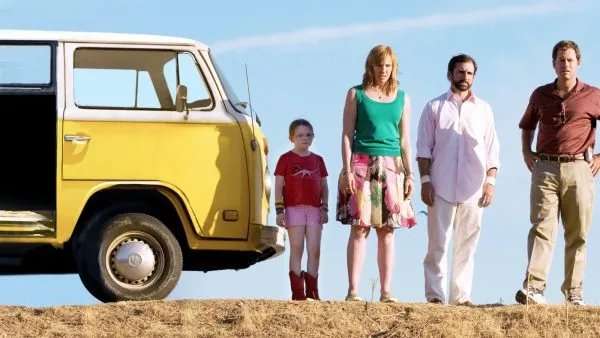
In the wake of Little Miss Sunshine, it felt like life-affirming indie movies were suddenly all the rage. Valerie Faris and Jonathan Dayton’s film managed to snag mainstream success with its little indie budget.
An interesting family group ventures on a long road trip to take the youngest (Abigail Breslin) to a beauty pageant she insisted on entering. The eclectic mix of characters with their respective quirks mines plenty of comedy gold, not least the scene-stealing majesty of the late great Alan Arkin as a foul-mouthed, but perhaps understatedly wise, granddad.
Night of the Museum
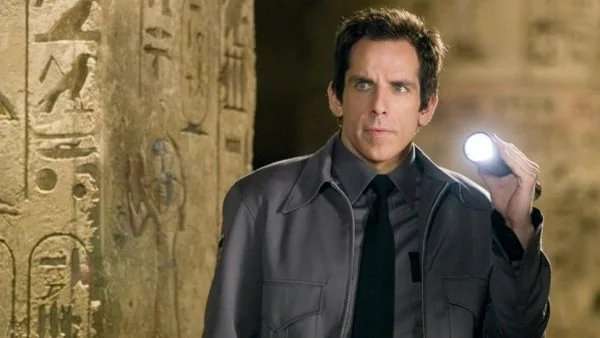
Night at the Museum was greeted with indifference by critics, but audiences seemed to go for its simple charms. We’re now in an era where family comedy movies are so difficult to pull off and keep everyone happy; it’s no surprise that something like Night at the Museum gets a fair amount of reappraisal.
You have a big cast filled to the brim with icons, and Ben Stiller leading the line affably. Having rewatched it recently, it was a lot more enjoyable than when I first checked the film out. More importantly, my daughter really enjoyed it. Laughs aplenty, a rollicking good adventure, and some fun and effective VFX.
Stranger than Fiction
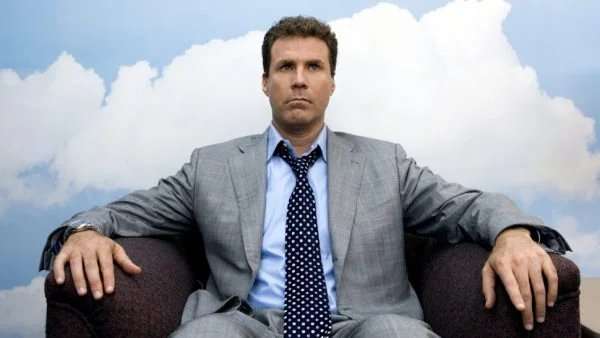
The aforementioned Ferrell was prolific, and yet, whether it was anchormen, figure skaters, soccer coaches, or NASCAR drivers, something was missing. He hadn’t stretched his dramatic chops. For Ferrell, Stranger than Fiction was to do to him what The Truman Show did for Jim Carrey, or Punch Drunk Love did for Adam Sandler.
It doesn’t forgo comedy by any stretch; however, the film gives Ferrell plenty to flex his comedy muscles while also tapping into his dramatic side. Whilst it’s certainly not as engaging as The Truman Show or Punch Drunk Love, there’s still a lot to enjoy in Marc Foster’s dramedy, where Ferrell suddenly finds his life is being narrated by a writer (Emma Thompson) who doesn’t realise she’s controlling his life (and is set on killing him off).
Severance
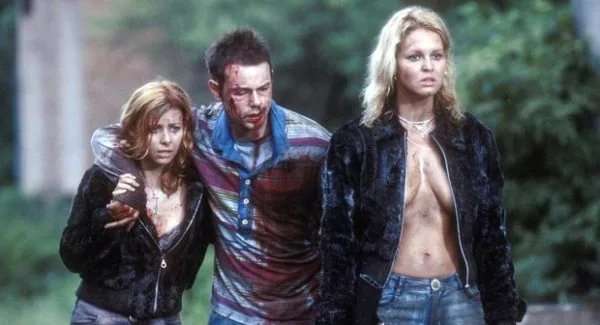
Danny Dyer went from affable cheeky chappy, to geezer gangster, to Eastender, before settling on national treasure. Who’d have thunk it? Just after his first cinema heyday and before a plunge into a mediocre slew of sub-par genre cheapies, Dyer also made a handful of enjoyable genre crossovers, including the black comedy thriller, Severance.
It’s solid concept comedy as a sales team’s bonding weekend in the wilderness turns into survival horror when they’re targeted by killers. Dyer is on the fakkin money, even though his character is tailored to fit and not to stretch his chops too much.
Slither
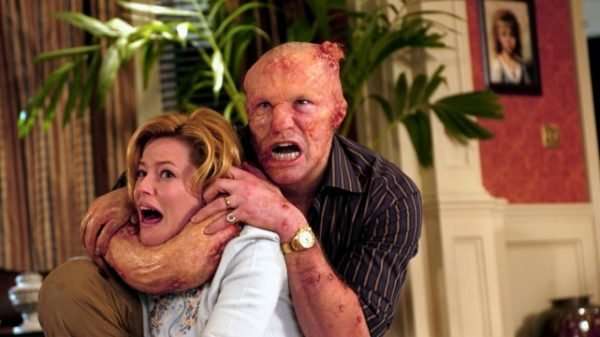
James Gunn’s journey from Troma to DC, via the MCU, stopped at gruesome and darkly comic body horror with Slither. Gunn’s breakout film showed a gift for the absurd and dialling things up, as well as utilising great character actors like Michael Rooker. The result is an icky and grotesque, but fun as hell ride.
Rooker and Nathan Fillion are great, whilst Elizabeth Banks gets thoroughly tormented. This is a version of Gunn I much prefer to the man who made the perfectly fine, if forgettable, Superman.
The History Boys
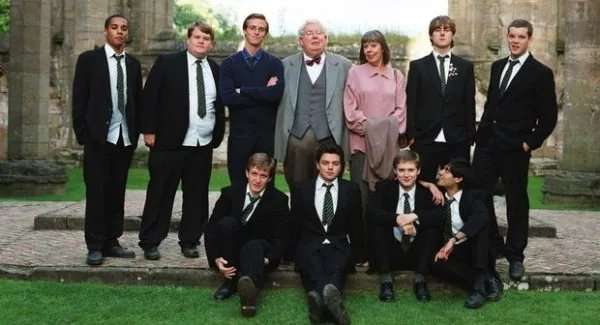
The film adaptation of Alan Bennett’s classic stage play, The History Boys, might not be quite as effective on screen as trod boards, but a fantastic cast ably and charmingly bring this uplifting and engaging story to life.
The scenes true to the play carry much of the weight, even if some cinematic embellishments don’t quite work. One key consistent, however, is Richard Griffiths, who (like many of the cast) jumps from the stage version to this screen version. He’s the heart and soul of the picture, bringing old school theatre style to both play and movie.
What’s your favourite comedy from 2006? Let us know on our social channels @FlickeringMyth…