Bleak, stylish, and surprisingly cohesive, the horror anthology “Adorable Humans” turns fairy tales into something far more sinister.
No time to read? Click the button below to listen to this post.

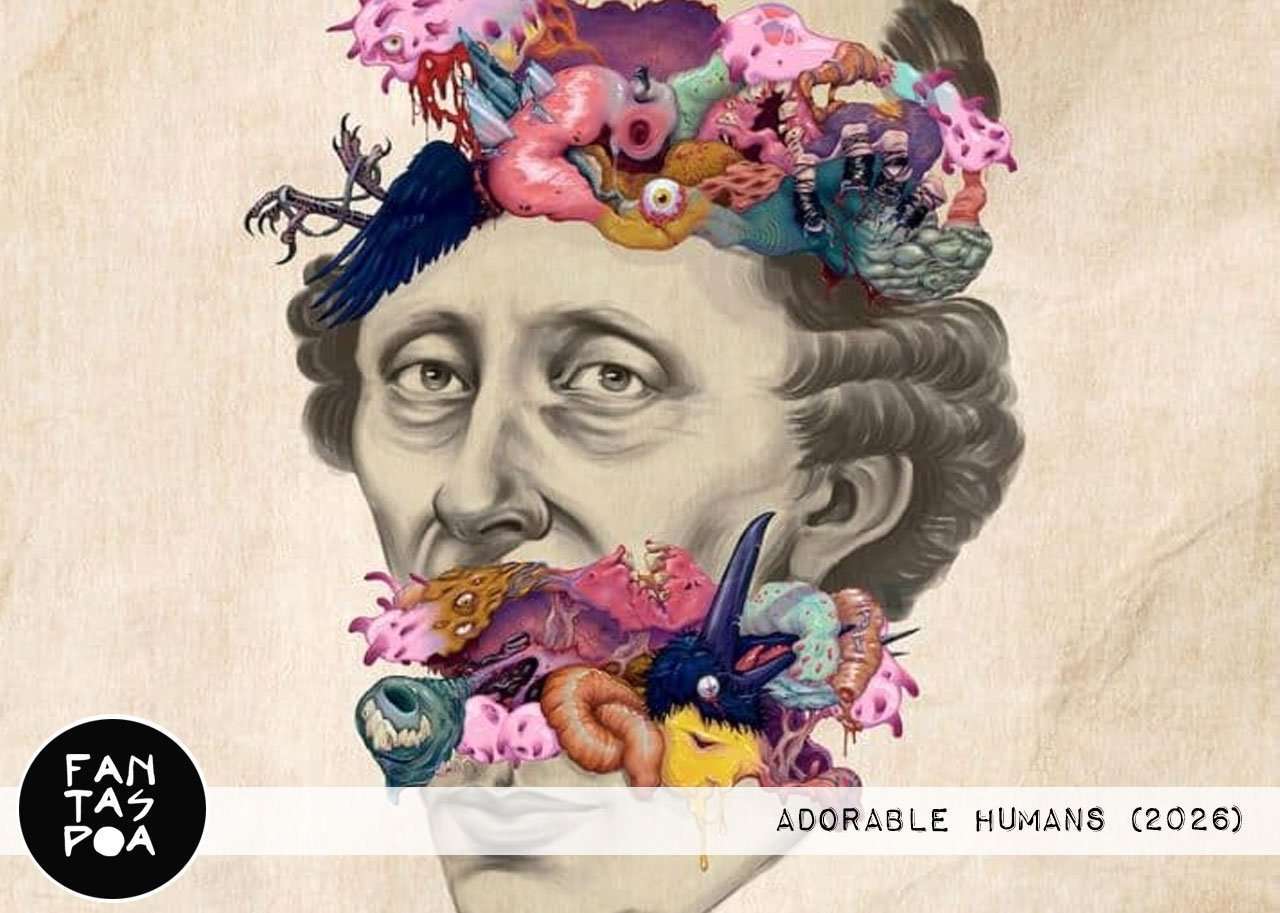
MORBID MINI: Adorable Humans reclaims the cruelty, sorrow, and existential dread at the heart of Hans Christian Andersen, transforming four classic tales into a stylish, cohesive horror anthology about grief, decay, obsession, and the darkness of human nature.
Before Walt Disney softened them into sing-alongs, fairy tales were the kind of stories parents told to scare children into obedience. They were warnings dressed in wonder. We forget this now, conditioned as we are to associate animated princesses with bedtime comfort.
But the genre was never meant to be comfortable. Hans Christian Andersen knew this better than most. Where the Brothers Grimm at least occasionally allowed their characters to stumble into daylight, Andersen seemed almost pathologically drawn to tragedy.
His heroines don’t always get rescued. They dissolve into sea foam. They dance themselves to death in enchanted red shoes, unable to stop, unable to rest. His little mermaid doesn’t get the prince; she gets oblivion, and the reader is left to sit with that.
The path from fairy tale to horror story is deceptively short, once you stop pretending every ending is a happy one.
That’s the precise territory Adorable Humans moves through.
This Dutch horror anthology film features four reimagined H.C. Andersen tales, each directed by a different filmmaker. Foregoing the ubiquitous wraparound for a more subtle and elegant connective thread, we embark on a journey through the depths of human darkness.
The Dead Man
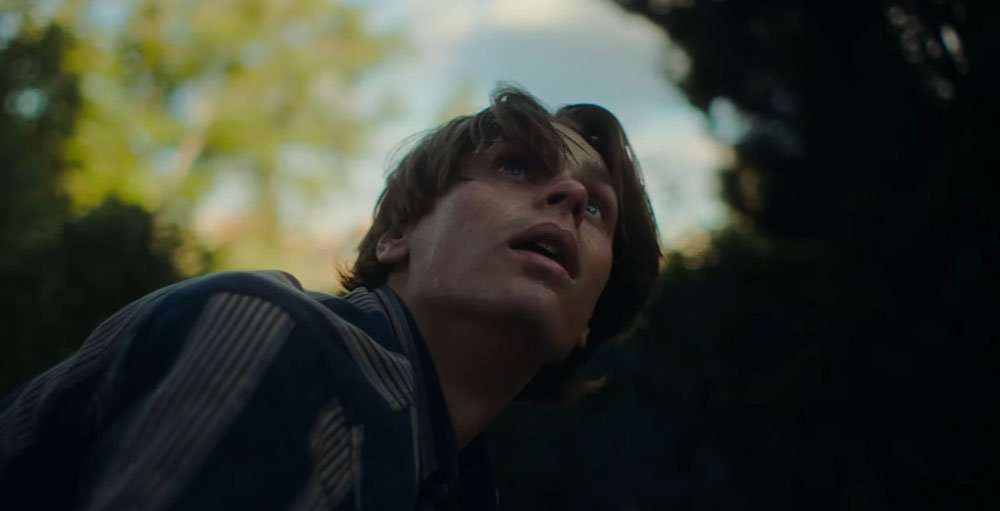
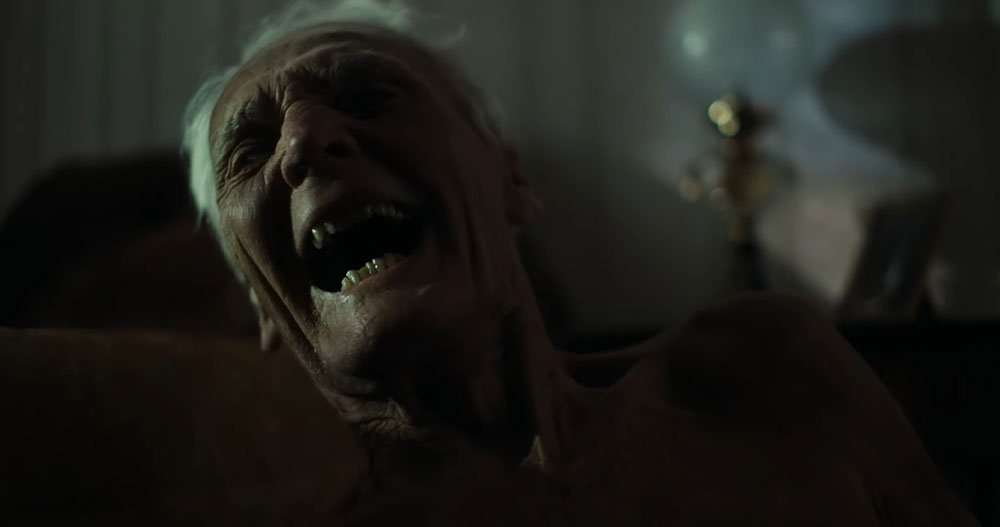
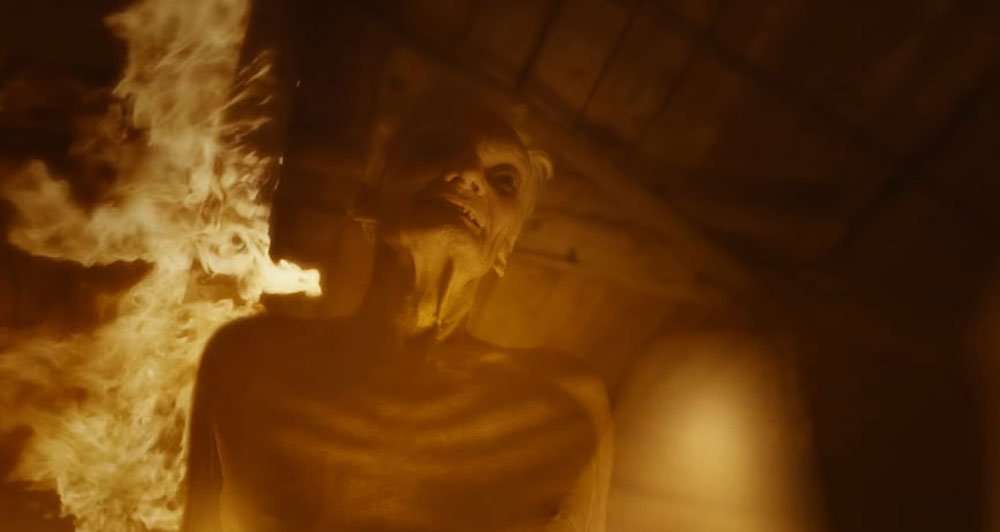
The anthology begins on a high note, immediately serving up striking imagery alongside a wicked tale of a young caregiver, Jonas. He’s attending to a dying man with dark secrets that refuse to stay buried. The old man is so close to death that he’s more a rotting corpse than a human being. But perhaps he still has a little life left in him after all.
Meanwhile, Jonas strikes up an ill-advised relationship with a mysterious woman, despite warnings about her true nature.
Danger and obsession collide in this creepy opener from Anders Jon Petersen (Anders Jon). Unnerving visuals and a dark and foreboding atmosphere make this a chilling start to a solid anthology.
The Source Material:
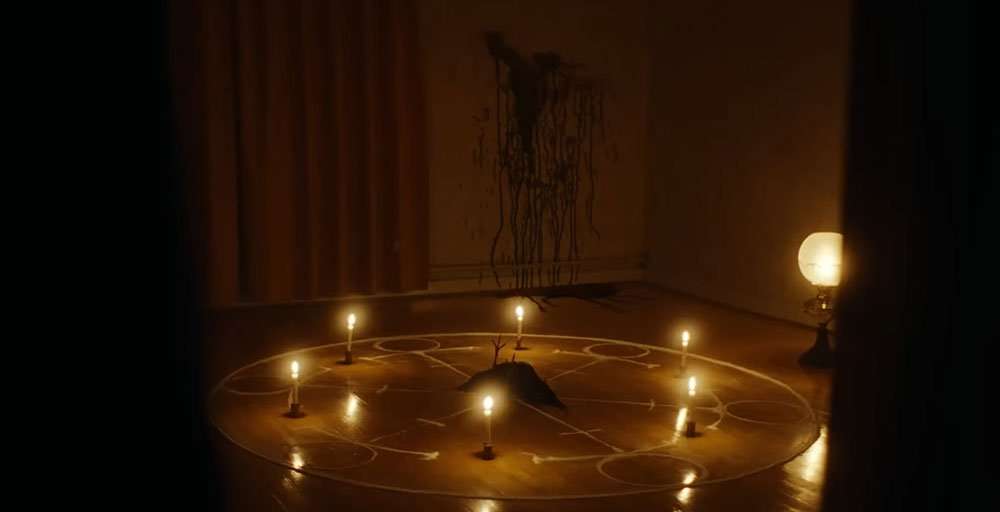
The Dead Man (Dødningen) was Andersen’s first published fairy tale, published in his 1830 collection Digte (Poems). The story was later reworked in 1835 as The Travelling Companion. It blends folklore with discussion of death and mortality, recurring themes in Andersen’s work.
A young man mourns his father’s death while dreaming of marrying a princess. Unfortunately, she’s really an enchantress who lures potential suitors to their deaths.
The original story, steeped in Christian allegory, ends with an act of kindness rewarded and light overcoming darkness. Petersen’s version sets literal fire to that idea, and the result is both twisted and deeply satisfying.
The Story of a Mother
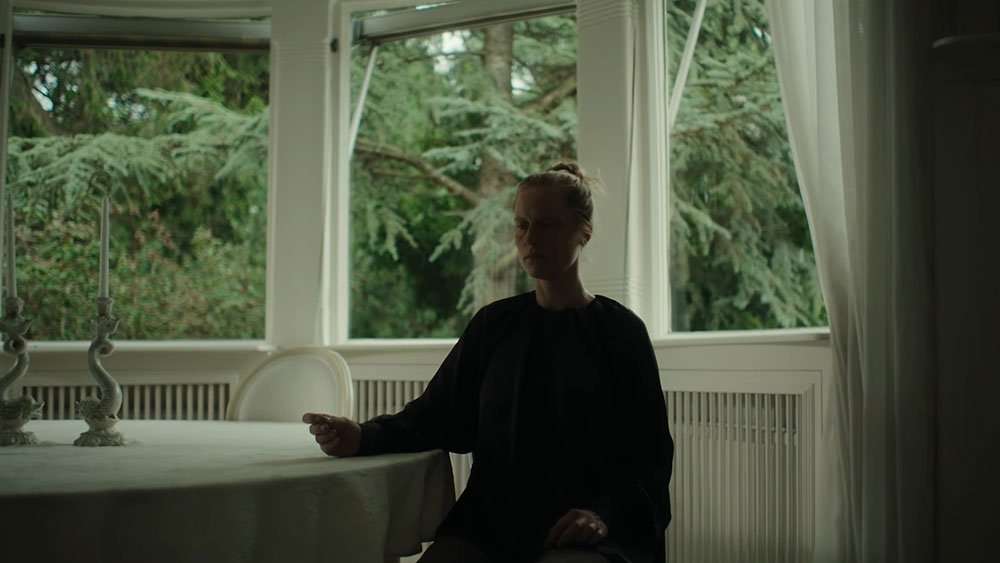
In the film’s most emotional and devastating short, Michael Kunov interprets one of Andersen’s most haunting works. A favorite of Vincent Van Gogh and Fritz Lang, it’s my favorite as well… because, apparently, I’m a masochist.
A mother struggles with depression following the death of her husband. A therapist asks the grieving woman to consider that feeling empty may be preferable to feeling sad. Is it better to numb yourself to a reality you can’t face, even if it means losing yourself in the process?
The Story of a Mother deals with the real-life horror of loss and its inevitability. There’s no bottom to the pit of misery, no “finish line” for suffering short of death. We so often face an endless climb up a mountain of pain, only to reach the other side and discover that the mountain was just a foothill at the bottom of a monolith.
This moving interpretation of one of Anderson’s most haunting works is not in-your-face horror. It’s quietly agonizing and soul-shattering. Bleak and gorgeous.
The Source Material:
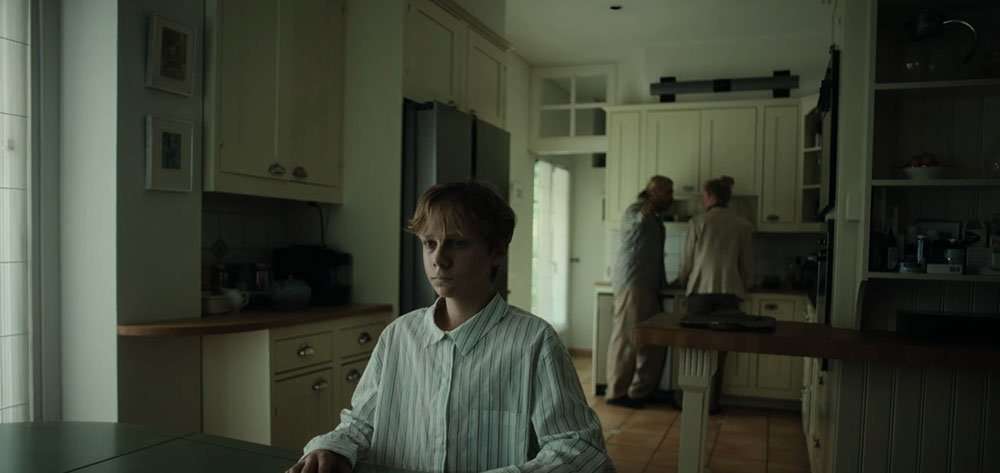
The Story of a Mother /Historien om en Moder (1847) was a key inspiration for Fritz Lang’s gothic horror romance Der müde Tod (Destiny, 1921). A silent classic, Lang borrows the central thematic struggle of a woman challenging Death to regain her lover. It’s a film conceived by Lang following the death of his own mother and the memories of his childhood illness, during which his mother nursed him back from the brink of death.
Ultimately, the story is about loss, sacrifice, and acceptance in the face of death’s horrible inevitability. It explores the depth of a mother’s love and the lengths she will go to protect her child.
Kunov’s heartbreaking reimagining ends with the original story’s closing line, though the narrative has been significantly altered in this version. Still, none of the gut-wrenching potency has been lost in translation.
The Snow Queen
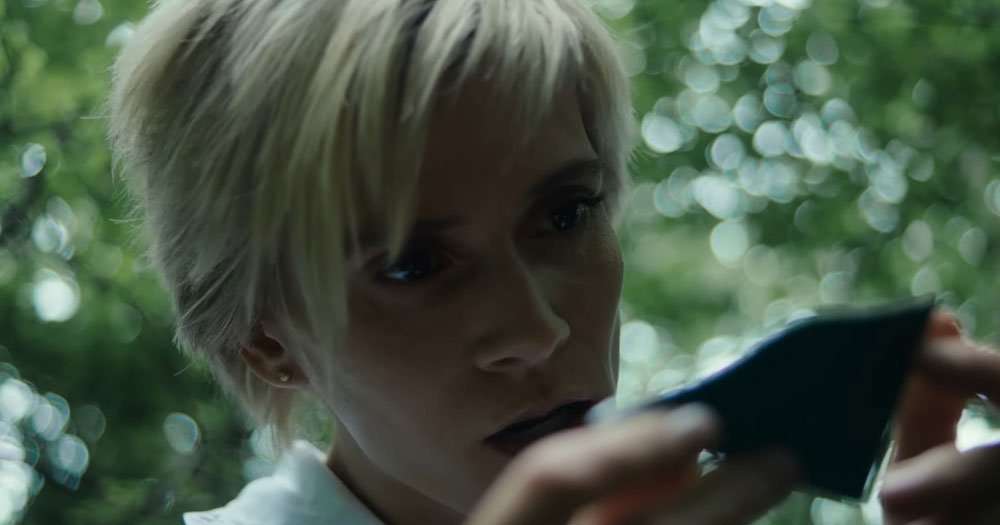
Though you’ve likely never seen an interpretation of Andersen’s The Snow Queen quite like this, Kasper Juhl’s body horror vision of this beloved tale maintains much of the original’s fairy tale feel—only much darker and more dangerous.
A beautiful young woman, Gerda, is trying to start a new life with her husband. But the magic mirror she finds in her new home shatters the illusion of happiness.
The mirror shows her a rotted, decaying image of herself… and she likes it, a lot. When a mysterious, deformed visitor wearing a grotesque mask shows up at their door asking for the mirror to be returned—claiming it shows him a vision of himself as beautiful—she denies its existence.
Like the stranger desperate to see beauty reflected where there is only ugliness, Gerda craves a vision of reality different than the one she’s living in.
Simultaneously sexy and disturbing, this one’s a gory, provocative exploration of the perversion of faith and the power of perception.
The Source Material:
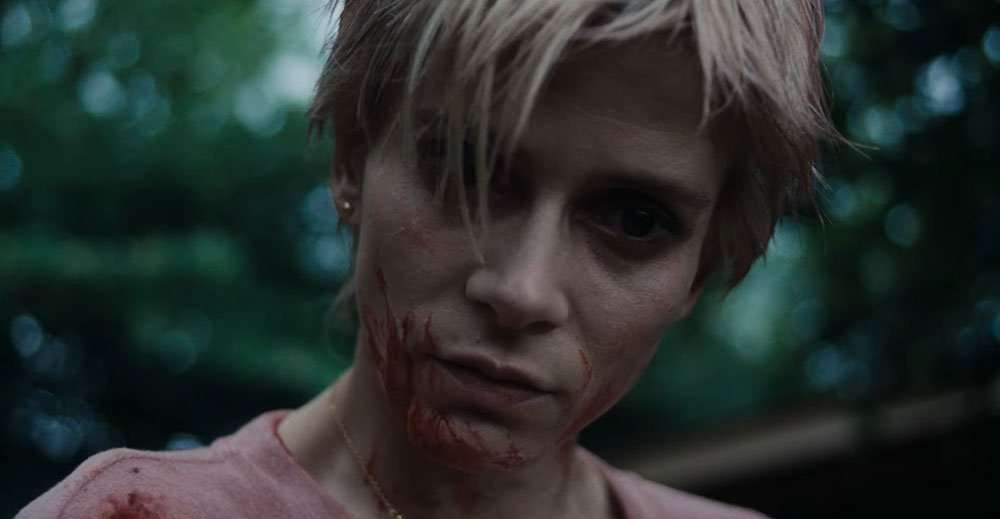
Perhaps second only to The Little Mermaid, The Snow Queen (Sneedronningen) is one of Andersen’s most popular and adapted tales. It’s only one of his longest and most complex narratives, split up into seven chapters.
At its core, it’s about a young girl named Gerda who must rescue her friend Kay from an evil Snow Queen after a cursed mirror shard turns his heart, causing him to view the world through the lens of negativity and hatred.
The original is a meditation on the nature of perception, the power of love, and the triumph of good over evil. In the hands of writer-director Kasper Juhl, it becomes an unholy union of lost faith, shattered self-image, danger, and desire.
Aunty Toothache
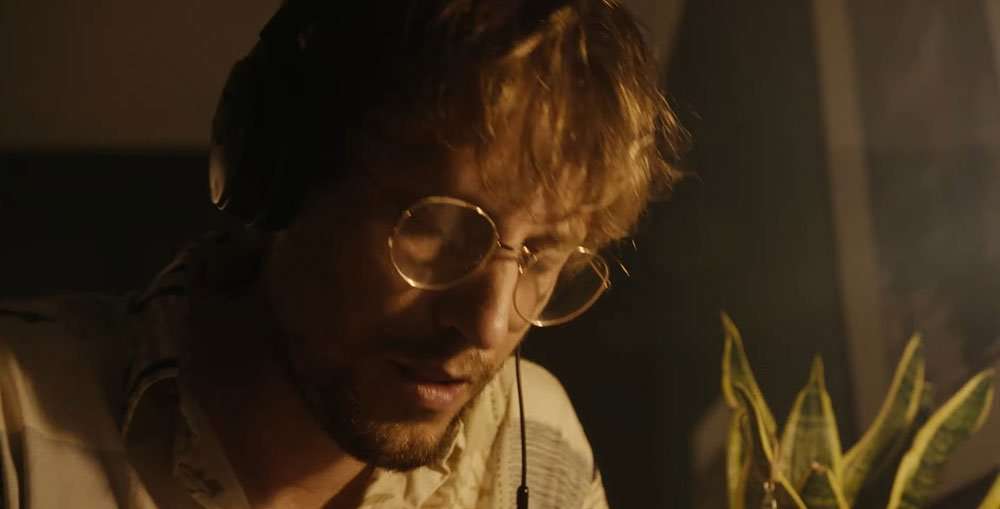
The anthology ends on as much of a high as it begins, tapping into two of my most deeply-rooted fears: creative bankruptcy and dentistry.
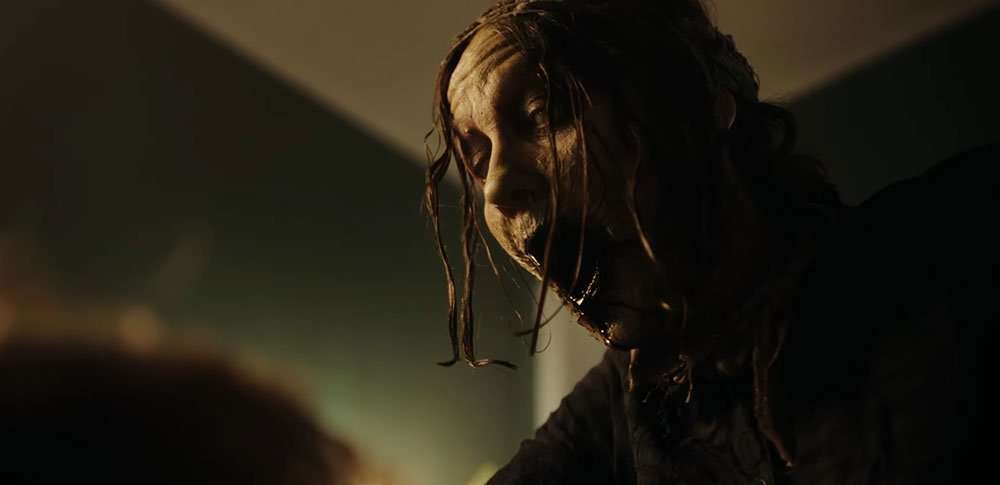
In the funny and ferocious Aunty Toothache, Michael Panduro explores a struggling rock singer’s existential crisis through the lens of a dental visit. Forced to move back home after eviction, Benny is a thirty-two-year-old dreamer who faces the scorn of his disapproving father, the loss of his love, a flailing career, and a nasty case of crippling writer’s block. To make matters worse, he’s hallucinating (maybe) something sinister, and that which has always inspired now only torments him.
Boasting strong makeup effects and a rocking soundtrack, alongside a satisfying title drop, the film’s finale hurts so good.
The Source Material:
Andersen’s Aunty Toothache (Tante Tandpine, 1872) blends humor with existential dread. Inspired by his own anxiety over his creative work and persistent tooth pain, he crafts a dark, autobiographical tale about a student poet tortured by dental pain. The pain is personified as the menacing “Aunty” figure, a bastardization of the kindly Aunt who used to ply the young protagonist with sweet treats.
The story links creative genius with suffering, exploring a familiar trope that the most inspiring and cruelly demanding artistic muse is Pain herself.
A self-deprecating masterpiece, this one ends on a bleak note that’s brilliantly skewered in Panduro’s angsty interpretation.
Summary
Rarely does an anthology featuring shorts from multiple writers and directors feel so cohesive and so unified in visual style and tone. Adorable Humansends up being much more than the sum of its consistently strong parts. Taken as a whole, it’s a thoroughly enjoyable delve into the dark side of human nature—blending the fantastical with relatable human horror.
These are fairy tales for those who prefer the dark and disturbing to stories that wrap up sweetly with a pretty bow. Modern fairy tales convince you that good always triumphs over evil. In the real world, things are far messier than that, and this expertly executed anthology revels in that glorious mess.
Made on a minuscule budget, Adorable Humans feels surprisingly elevated, carried by investing performances and strong production values.
If the film is correct in its thesis and we “adorable humans” crave misery, it’s likely you’ll find Adorable Humans a damned devilish delight.
Overall Rating (Out of 5 Butterflies): 4