“The Sixth Sense” made us all thirsty for the twist, but cinema had been shocking audiences for decades prior, with reveals that still land.
No time to read? Click the button below to listen to this post.

MORBID MINI: Before The Sixth Sense became synonymous with the shocking twist ending, horror and genre cinema had already spent decades pulling the rug out from under audiences. These pre-1999 shock endings helped shape horror, sci-fi, noir, and psychological thrillers, leaving audiences stunned, devastated, and desperate to hit rewind.
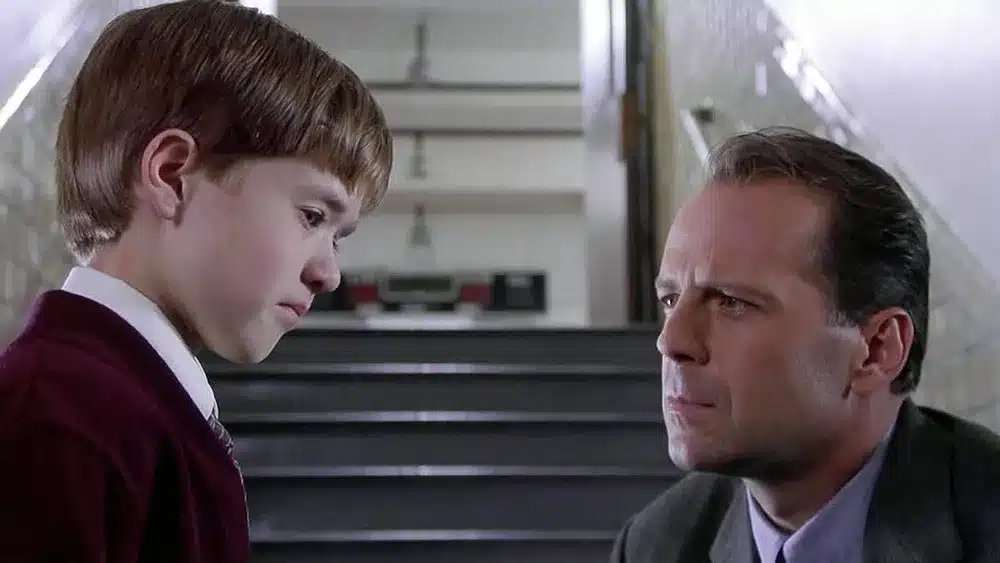
When The Sixth Sense hit theaters in 1999, it did not simply deliver a jaw-dropping twist. It changed the cultural landscape.
Even if you have somehow never seen the film, you know the reveal. You know the whisper network it created. You know the way people left theaters stunned, immediately replaying every scene in their minds like detectives who had just realized the killer had been sitting across from them the whole time.
M. Night Shyamalan’s breakout hit became so synonymous with the shocking twist ending that it practically turned “What a Twist!” into a genre of its own.
For years afterward, audiences walked into thrillers, horror films, and moody supernatural dramas waiting for the rug pull. Sometimes that made movies more fun. Other times, it was exhausting. Suddenly, everyone wanted to outsmart the movie before the movie outsmarted them.
But The Sixth Sense, as clever and memorable as it was, did not invent the cinematic twist ending.
Not even close.
Long before Haley Joel Osment saw dead people, filmmakers were using last-minute reveals, narrative traps, false assumptions, and devastating reversals to shake audiences out of complacency.
The twist ending has roots in mystery fiction, early German Expressionism, film noir, psychological horror, paranoid thrillers, dystopian science fiction, and the grand horror tradition of pulling the floor out from under you just when you think you’re standing on solid ground.
What The Sixth Sense did was revive and refine the twist for a modern mainstream audience. It made the twist emotional, not just clever. It was not merely a “gotcha.” It recontextualized grief, marriage, trauma, and every quiet interaction that came before it. The shock was powerful because the reveal did not just change the plot; it changed the story. It changed the ache at the center of the story.
Still, cinema had been breaking brains for decades before that.
Here are some of the most memorable pre-Sixth Sense twist endings that shocked audiences, rewired genres, and proved that…
Sometimes the scariest thing a movie can do is make you realize you were wrong the whole time (major spoilers ahead).
1. The Cabinet of Dr. Caligari (1920)
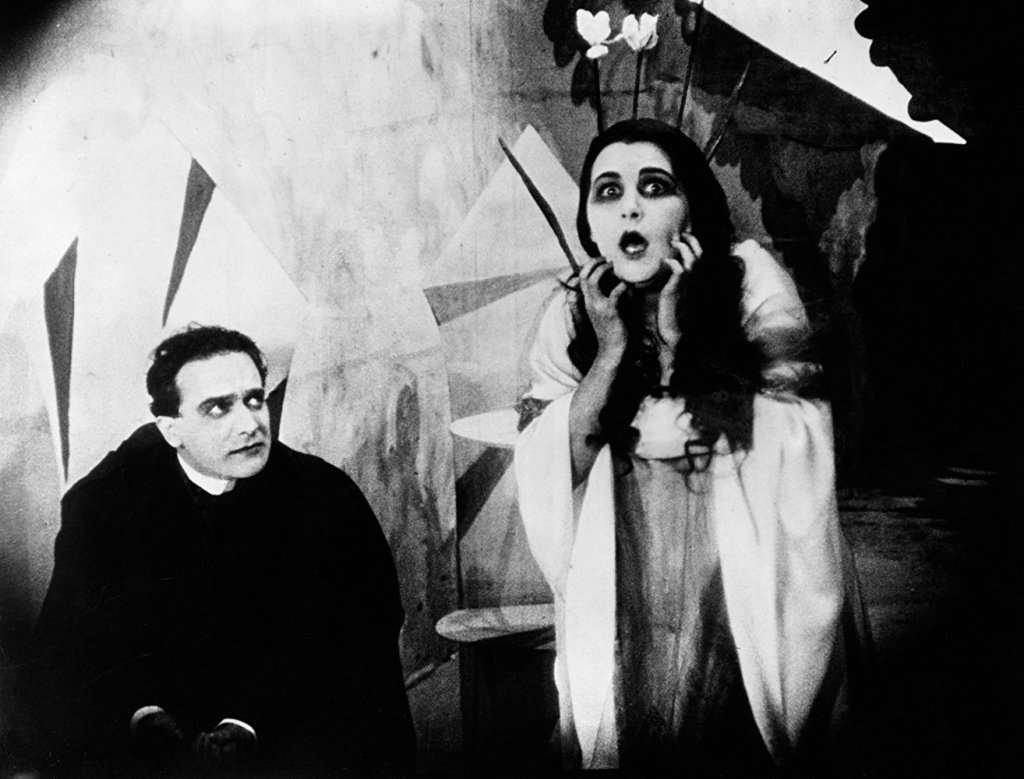
If we’re talking about twist endings, we have to go way back. Like, silent-film, German-Expressionist, “why does every wall look like it’s having a nervous breakdown?” back.
The Cabinet of Dr. Caligari is one of horror’s foundational nightmares, and its ending remains one of cinema’s earliest great rug pulls. The film appears to tell the story of a sinister hypnotist, a sleepwalking killer, and a town consumed by dread. Then the ending reframes everything through the possibility of an unreliable narrator, turning the story into something far more psychologically slippery.
It is easy to underestimate how radical this was because we are now so used to films that twist perspective and question reality. But Caligari helped build that language. It showed that cinema could do more than reveal a hidden killer. It could trap us inside a fractured mind.
The twist does not just ask, “What happened?” It asks, “Can we trust the person telling us what happened?”
And horror has been chasing that delicious uncertainty ever since.
2. Psycho (1960)
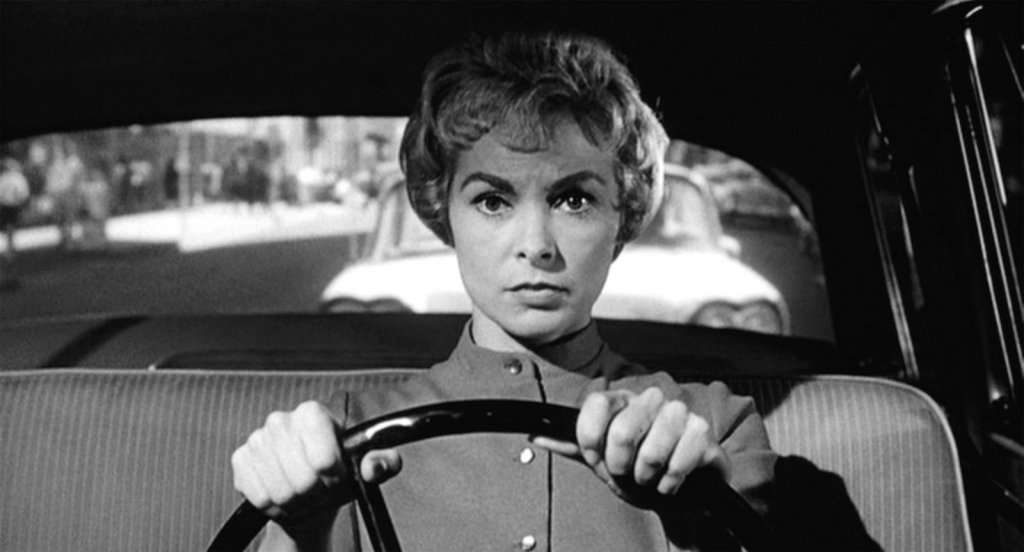
Alfred Hitchcock did not need a twist ending to shock audiences. He had already done that by killing off his apparent lead less than halfway through the movie, in a shower scene so famous it practically has its own agent. But Psycho still had one more knife to twist.
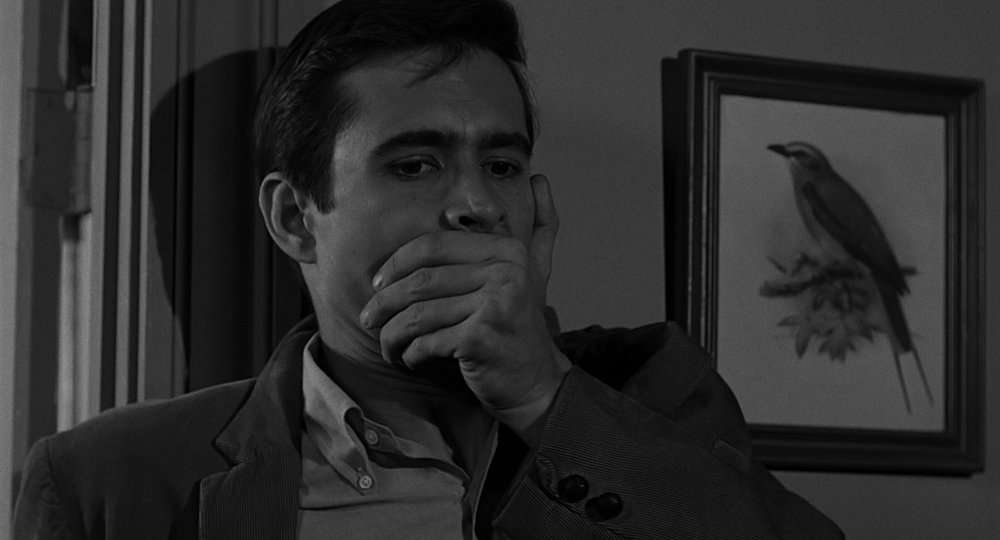
The final revelation about Norman Bates and “Mother” is one of the most iconic reveals in horror history.
What makes it so effective is that the film spends so much time playing with assumptions. It leads us to believe we understand the shape of the story. Then the movie dismantles that understanding piece by piece.
The reveal that Norman has preserved his mother’s corpse and internalized her identity was shocking in 1960, not only because of the grotesque details, but because it brought psychological horror into the mainstream with a force that could not be ignored.
Psycho changed what audiences expected from horror.
The monster was not always some hideous creature or masked maniac lurking in the woods. Sometimes, he was the handsome, soft-spoken man at the front desk — the kind you might happily introduce to your mother, if his hadn’t already taken up so much room in his head.
3. Planet of the Apes (1968)
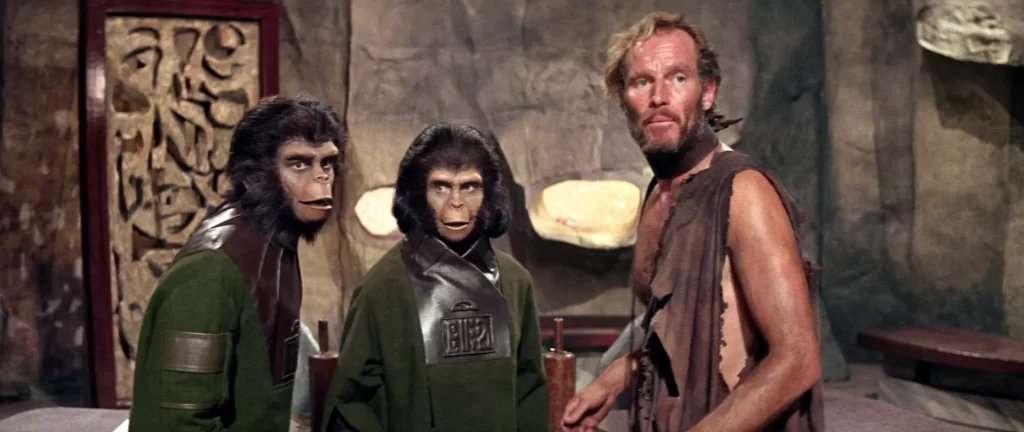
There are twist endings, and then there is Charlton Heston screaming at a ruined Statue of Liberty while realizing humanity has fully played itself.
Planet of the Apes has one of the most famous final images in film history for a reason. For most of the movie, we are immersed in what appears to be a strange, upside-down world where apes rule, and humans are primitive. Then the ending reveals the cruelest truth: this is Earth. The nightmare was never alien. It was home.
That final shot transforms the film from pulpy sci-fi adventure into a bleak indictment of human arrogance, war, and self-destruction. It is the kind of twist that feels both enormous and horribly simple. The entire premise collapses into one devastating realization: we did this.
Nearly sixty years later, and this one still packs a punch.
4. Night of the Living Dead (1968)
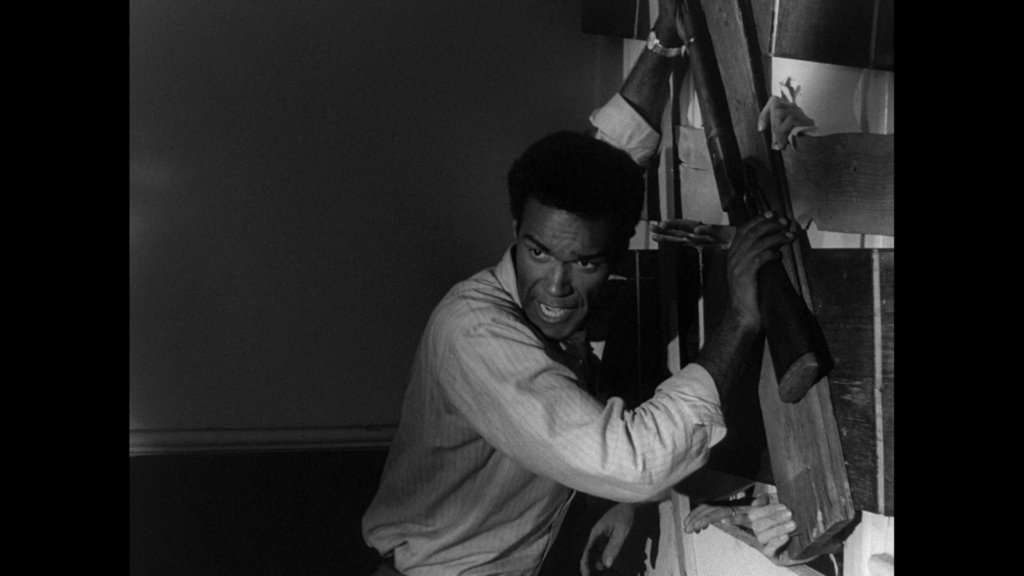
George A. Romero’s Night of the Living Dead does not have a twist in the traditional puzzle-box sense. There is no grand secret identity reveal. No hidden mastermind. No “actually, this has all been happening inside someone’s head.”
But the ending is shocking in a way that still feels brutally modern.
Ben survives the night. He makes it through the flesh-eating dead, the panic, the claustrophobia, the collapse of order, and the stupidity of other people. Then, in the cold light of morning, he is shot and killed by a posse that mistakes him for one of the undead.
Or perhaps “mistakes” is too generous. The ending’s power comes from how casually, efficiently, and horrifically human it feels.
Ben’s death turns the film’s terror outward. The zombies are frightening, sure, but Romero’s final gut punch suggests that the real horror may be the systems, assumptions, and violence waiting outside the farmhouse.
It is not a twist of the plot. It is a twist of meaning. And it’s devastatingly effective.
5. Soylent Green (1973)
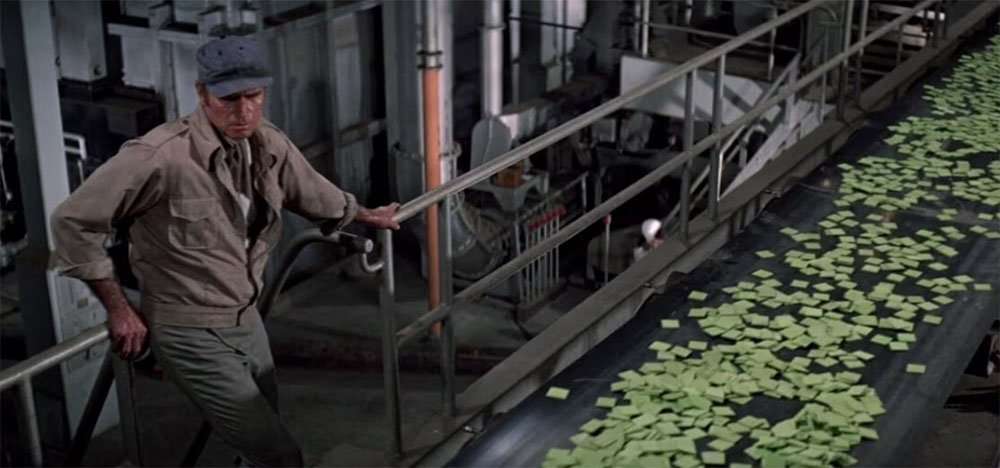
Some twists are so famous they become punchlines, which is deeply unfair to the brilliance of Soylent Green.
Yes, everyone knows the line. Everyone knows what Soylent Green is. The reveal has been parodied and referenced so many times that it can be hard to imagine encountering it for the first time.
But taken on its own terms, the ending is bleak as hell. The film imagines an overpopulated, environmentally ravaged future where society has become dependent on processed food rations. The final revelation that Soylent Green is made from human remains is not just a grotesque shock. It is the logical endpoint of a world that has commodified everything, including the dead.
That is what makes it work. The twist is horrifying because it feels less like a random surprise and more like a grim punchline to the collapse of civilization.
In other words, the call is coming from inside the supply chain.
6. Don’t Look Now (1973)
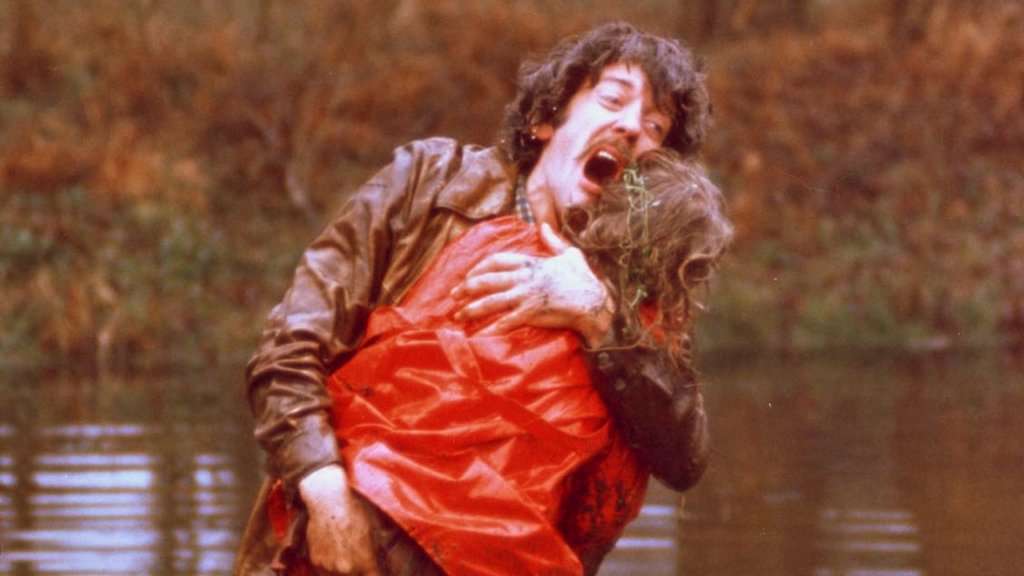
Nicolas Roeg’s Don’t Look Now is not interested in the tidy satisfaction of a mystery solved. It is stranger, sadder, and far more unnerving than that.
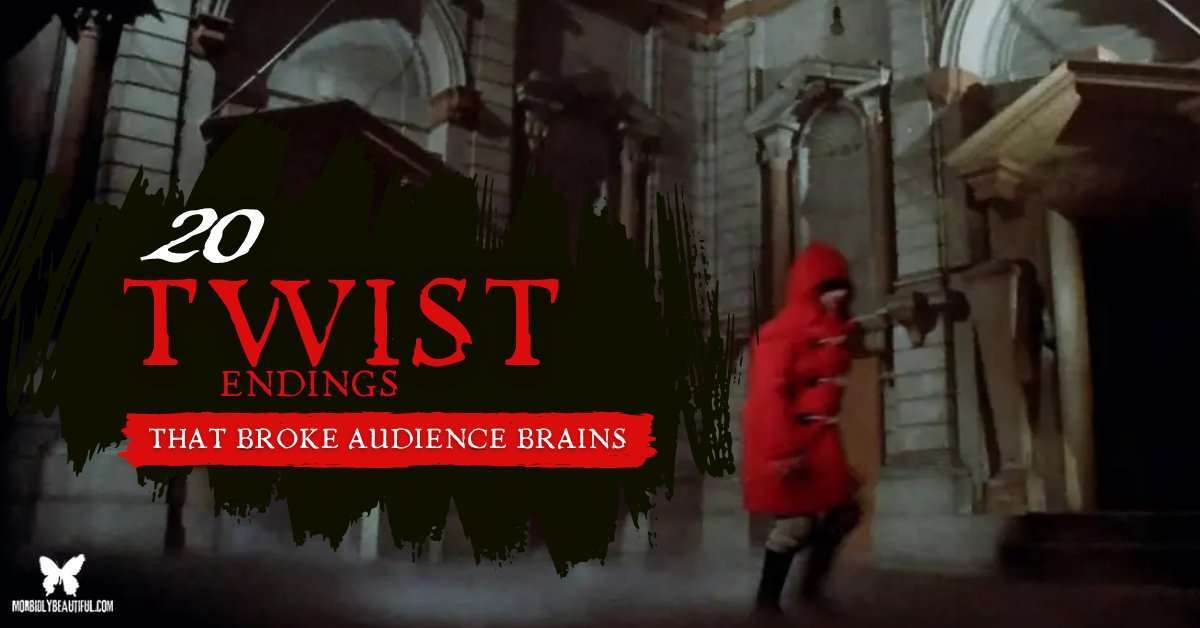
The film follows a grieving couple after the death of their young daughter, weaving together trauma, psychic impressions, fragmented time, and the haunting image of a small figure in a red coat. Throughout the film, that red shape becomes a symbol of loss, obsession, and impossible hope.
Then the ending reveals that the figure is not what Donald Sutherland’s character believes it to be.
The result is gut-wrenching. The twist is not clever in the “aha!” sense. It is cruel in a way that feels like life itself, random and unforgiving. It takes grief’s desperate need for meaning and turns it into a fatal trap.
Few horror endings are this elegant or this merciless.
7. The Wicker Man (1973)
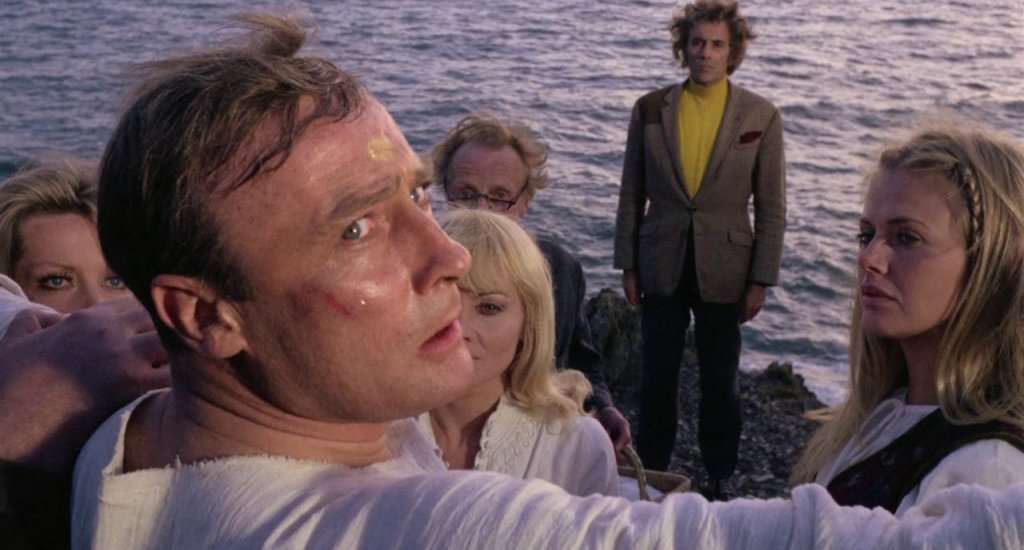
The Wicker Man is one of folk horror’s greatest “you were doomed from the beginning” nightmares.
The genius of the film is that the ending feels both shocking and inevitable. Sgt. Howie arrives on Summerisle convinced he is investigating the disappearance of a young girl. He believes he is the moral authority in a community of strange rituals, pagan sexuality, and unnerving cheerfulness. He thinks he is uncovering a crime.
Instead, he is the offering.
The final reveal that the entire mystery has been constructed to lure him into a sacrificial role is one of horror’s great slow-motion traps. The islanders are not hiding chaos. They are executing a plan with terrifying calm.
That is what makes The Wicker Man so powerful. It does not yank the rug out from under you at the last second. It lets you realize the floor was never there.
8. Chinatown (1974)
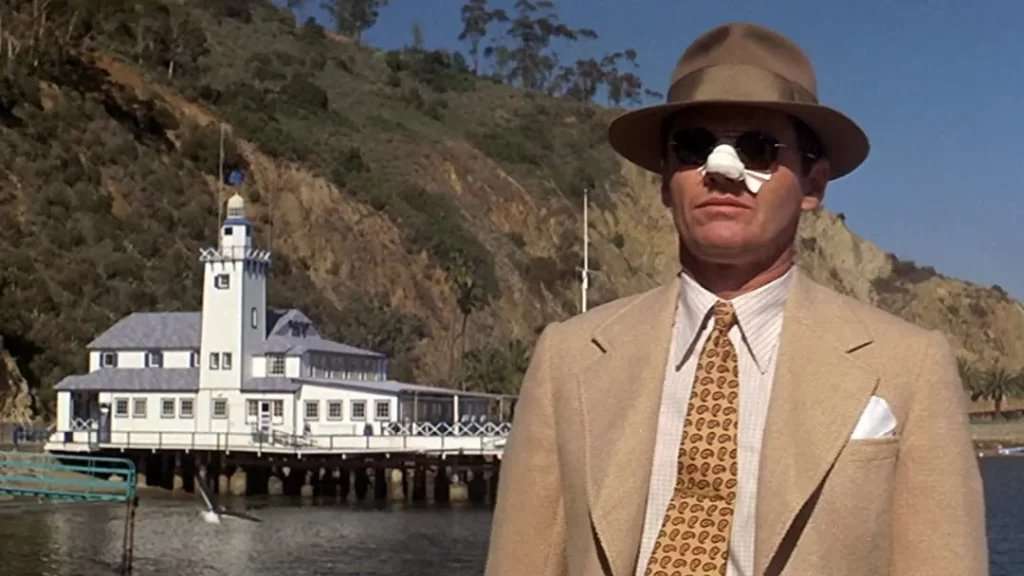
Chinatown is not a horror film, but I hope you’ll forgive the indulgence. Because the film’s potent ending is spiritually devastating enough to qualify as emotional body horror.
Roman Polanski’s noir masterpiece (if you can separate the art from the troubling artist) begins as a private detective story and gradually reveals a rot far deeper than one case. The famous family revelation involving Evelyn Mulwray and Noah Cross remains one of cinema’s most gutting twists, not because it is flashy, but because it exposes the full moral sickness at the story’s center.
Once the film has you by the jugular, it doesn’t relent; it tightens its grip.
Justice does not arrive. The powerful do not fall. The innocent are not protected. The world keeps moving, uglier and more indifferent than before.
That final “Forget it, Jake. It’s Chinatown” lands harder than a sledgehammer. It is not a twist designed to make you gasp and applaud. It is designed to make you feel trapped in a system where truth changes nothing.
Honestly? Horrifying.
9. Carrie (1976)
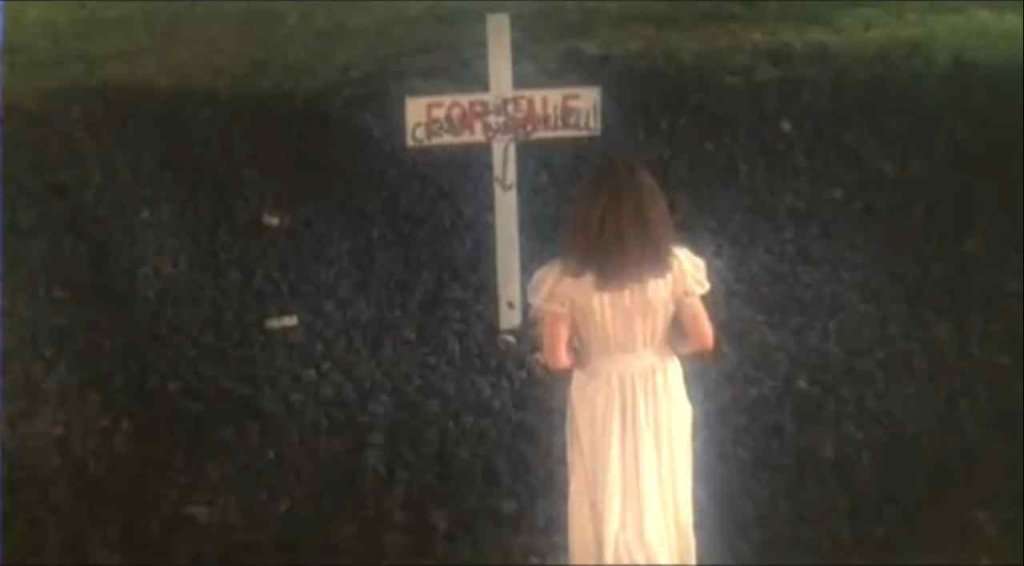
Carrie’s final scare is one of horror’s most imitated endings, and for good reason.
After the prom-night massacre and Carrie’s tragic death, the film seems to settle into grief. Sue Snell visits the remains of Carrie’s home, carrying flowers and guilt. Then Carrie’s bloody hand erupts from the grave in one of cinema’s most famous jump scares.
Technically, it is a dream sequence. Emotionally, it is a final scream from a story that refuses to rest.
The ending does not reframe the entire plot the way The Sixth Sense does, but it delivers a different kind of shock: the final jolt. It helped codify a horror tradition that would become almost irresistible, giving rise to some of the most gasp-inducing moments in horror history.
Just when the audience exhales, the movie grabs them by the throat one last time.
10. The Empire Strikes Back (1980)
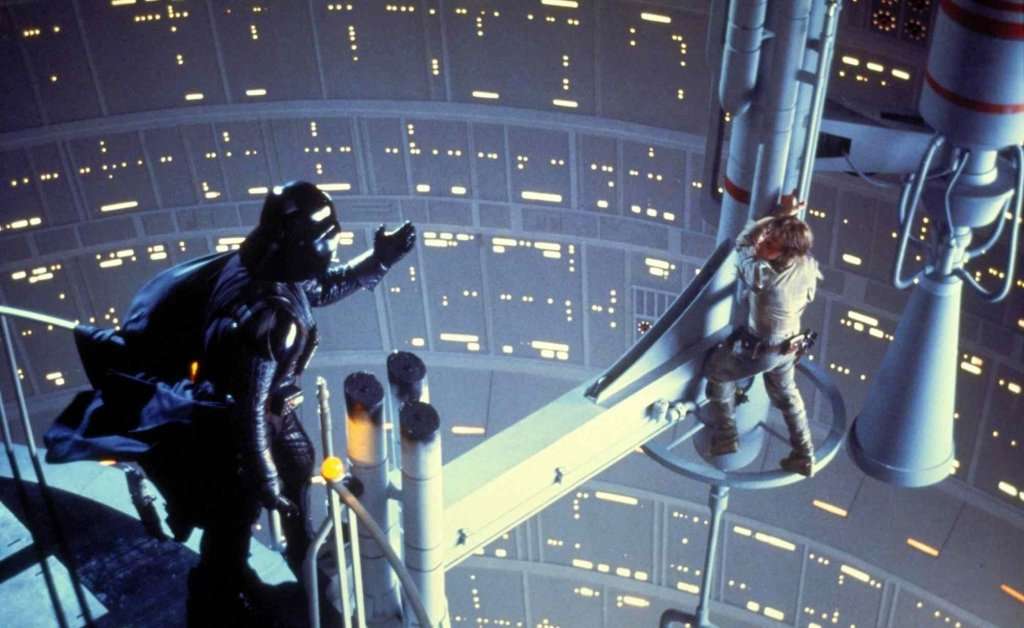
No, The Empire Strikes Back is not horror. But if we are talking about pre-Sixth Sense twists that shook audiences, Darth Vader’s revelation belongs in the conversation.
“I am your father” is one of the defining blockbuster twists. It did not merely surprise viewers; it transformed the emotional architecture of Star Wars. Suddenly, Luke’s heroic journey became far more complicated. The villain was no longer simply an external evil to defeat. He was family. He was the dark possibility inside the hero’s own bloodline.
The reveal became so culturally massive that it is almost impossible to experience it as a shock now. But for audiences in 1980, it was seismic.
It proved that a plot twist could become mythology.
11. Friday the 13th (1980)
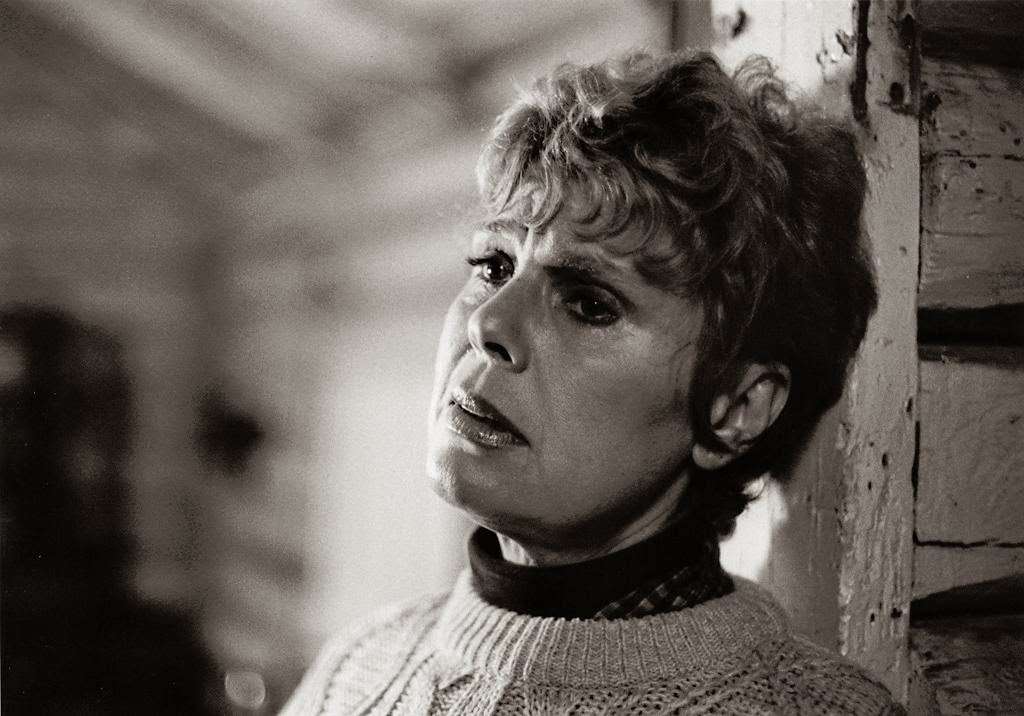
The original Friday the 13th is often culturally remembered as the birth of Jason Voorhees as a horror icon. That’s ironic because the future machete-wielding masked mascot of franchise horror, Jason, is not even the killer. At this point, he’s just a tragic victim who inspires the bloody rampage of the real killer.
That was the twist, and it was a doozy.
For first-time audiences, the reveal that Mrs. Voorhees was behind the Camp Crystal Lake murders was a nasty little surprise. The film spends so much of its mythology circling the drowned boy that viewers naturally expect Jason to be the threat. Instead, we get Pamela Voorhees: grieving mother, camp cook, and one-woman army against negligent childcare.
Then the film adds one more jolt with Jason’s lake scare, a nightmare image that helped launch a franchise and confuse generations of casual viewers about what actually happens in the first movie.
Friday the 13th may not be elegant, but it knows how to send an audience out buzzing.
12. Sleepaway Camp (1983)
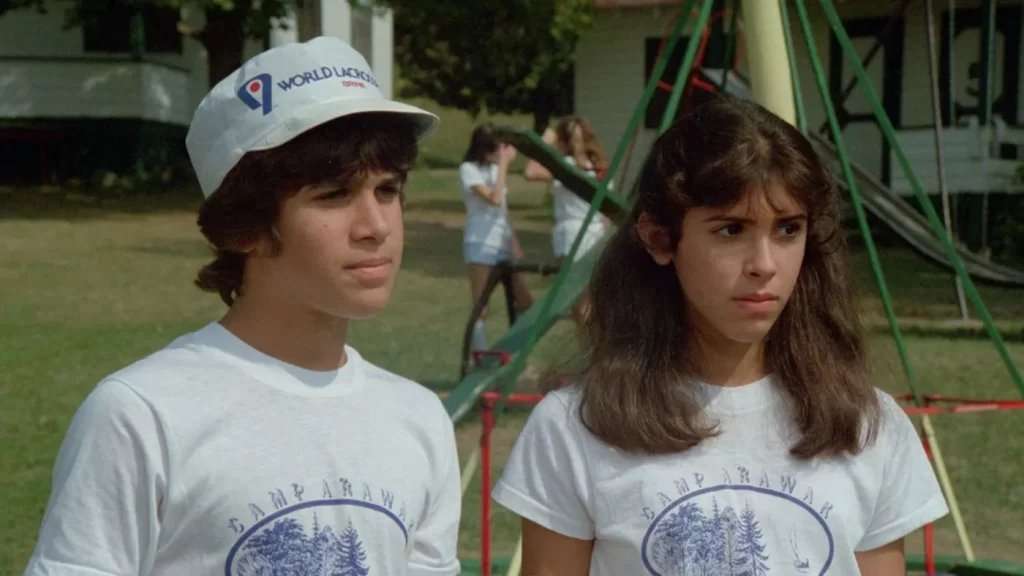
Sleepaway Camp has one of the most infamous endings in horror history.
It is also an ending that has aged in complicated, deeply problematic ways, particularly in how it weaponizes gender identity and bodily revelation as shock value. Any modern discussion of the film has to acknowledge that.
But as a pure audience-reaction moment, the ending is impossible to ignore. The final reveal involving Angela is bizarre, grotesque, and staged with such uncanny intensity that it burned itself into horror history. That frozen face. That animalistic sound. That image. It is the kind of ending people remember whether they want to or not.
Sleepaway Camp is not a delicate twist. It’s not graceful. It’s not subtle. It is a brick through a window.
But horror history is full of windows, and this one absolutely shattered.
13. Angel Heart (1987)
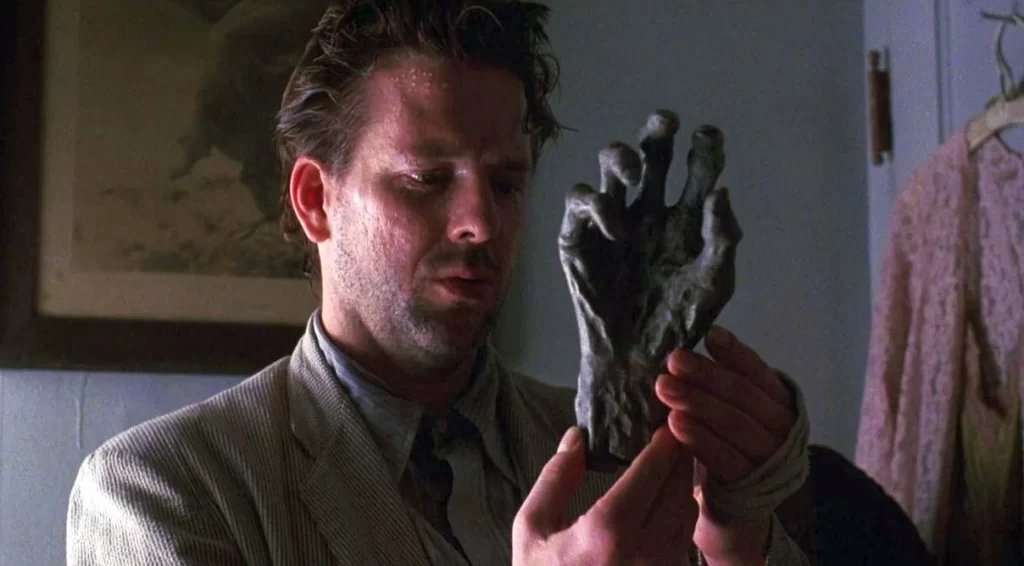
Angel Heart is what happens when you blend noir and horror into a sexy, stylish descent.
The film follows private investigator Harry Angel as he searches for a missing singer named Johnny Favorite. But the deeper Harry digs, the more the case begins to feel less like an investigation and more like a chamber piece conducted by the dark hand of fate. By the time the truth is revealed, the film’s entire identity shifts from occult mystery to cosmic punishment.
The twist is grim, clever, and spiritually nasty. It belongs to a long tradition of stories where the investigator does not uncover the truth so much as discover his own sentence.
Angel Heart’s ending works because the film is soaked in dread long before the reveal arrives. The twist does not come out of nowhere. It emerges from the shadows, delivering the sense that every clue has been leading Harry exactly where he does not want to go.
Straight to hell, basically.
14. Jacob’s Ladder (1990)
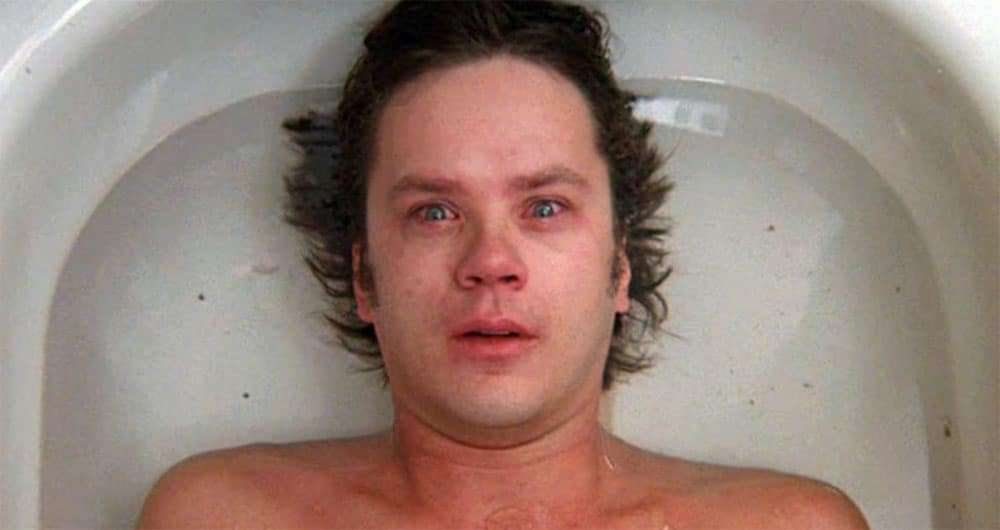
Jacob’s Ladder is one of the great bridges between older psychological horror twists and the emotionally devastating reveal-driven films that would flourish in the 1990s.
The film follows Jacob Singer, a Vietnam veteran haunted by grotesque visions, fractured memories, and a reality that seems to be tearing itself apart. For much of the film, we are trapped in his terror. Is he hallucinating? Is he part of an experiment? Is something demonic happening? Is the world itself breaking?
The ending reframes Jacob’s nightmare as a journey through trauma, death, and release. It is a twist that works because it is not just about solving the plot. It is about understanding the film’s soul.
Jacob’s Ladder is frightening, but its final movement is strangely tender. That combination of horror and heartbreak would echo strongly in later films like The Sixth Sense, where the reveal matters because it carries emotional weight.
The scariest twists are not always the ones that yell, “Surprise” and try to jolt you out of your skin. Sometimes they simply whisper, achingly, “Let go.”
15. The Usual Suspects (1995)
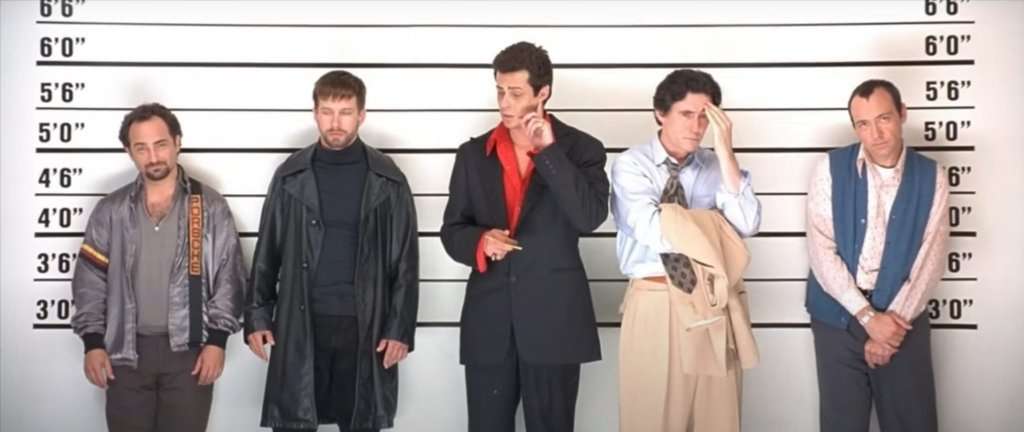
The Sixth Sense may have made the twist ending mainstream, but The Usual Suspects made it cool again.
The reveal of Keyser Söze is one of the defining “everything you just watched was a lie” moments of the 1990s. The film turns storytelling itself into a weapon. Verbal Kint does not simply fool the characters. He fools the viewer by exploiting our need for narrative coherence. We believe the story because it is being told to us with conviction.
Then the coffee cup drops. The bulletin board comes into focus. The limp disappears.
It is a great cinematic magic trick, and like most great magic tricks, the pleasure comes from realizing you were looking in the wrong place.
The Usual Suspects helped prime audiences for a decade of twist-hungry thrillers. It made viewers suspicious of narrators, details, and anyone who seemed too harmless to matter.
16. Se7en (1995)
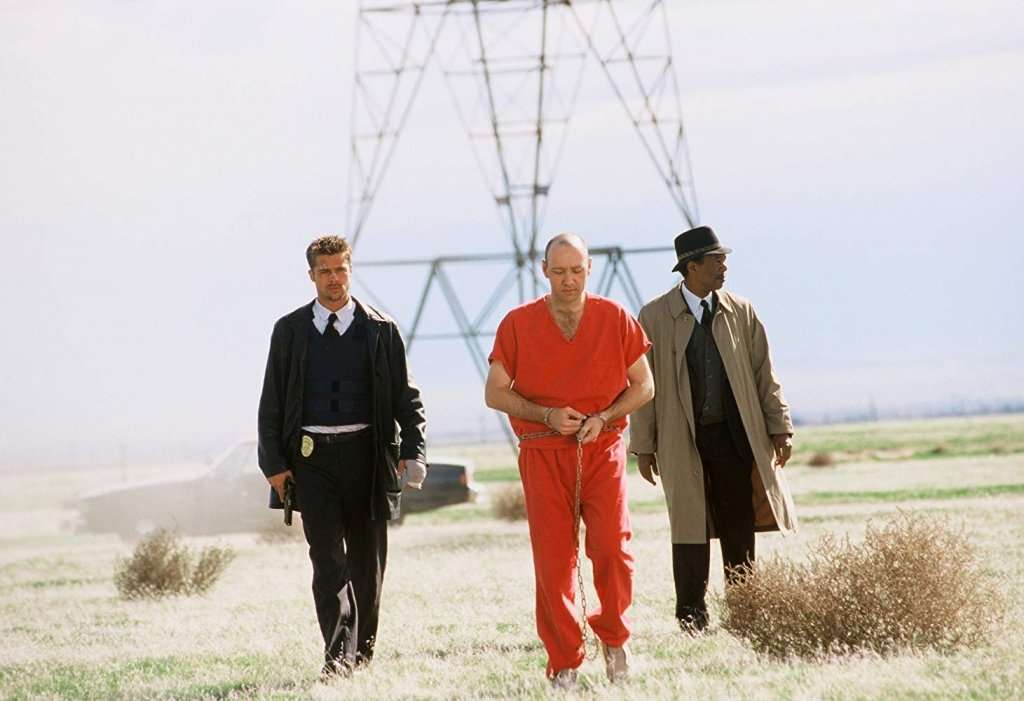
Se7en’s ending is not a twist in the “secret identity” sense. We know who the killer is by then. John Doe has turned himself in. The mystery seems to be over.
That is exactly why the ending is so horrifying.
The final reveal is not who the killer is, but what he has already done — and how completely he has controlled the story. The infamous box is not just a shock object. It is the last piece of a moral trap. Mills does not discover the ending. He completes it.
That is what makes Se7en so brutal. The twist is not that evil exists. The twist is that evil has anticipated decency, grief, rage, love, and human weakness with surgical precision. It is one of the bleakest endings in modern thriller history because it gives the villain exactly what he wants. There is no catharsis. No rescue. No righteous reversal.
Just the box, the desert, and the terrible knowledge that the ending was written before the heroes ever arrived.
17. Primal Fear (1996)
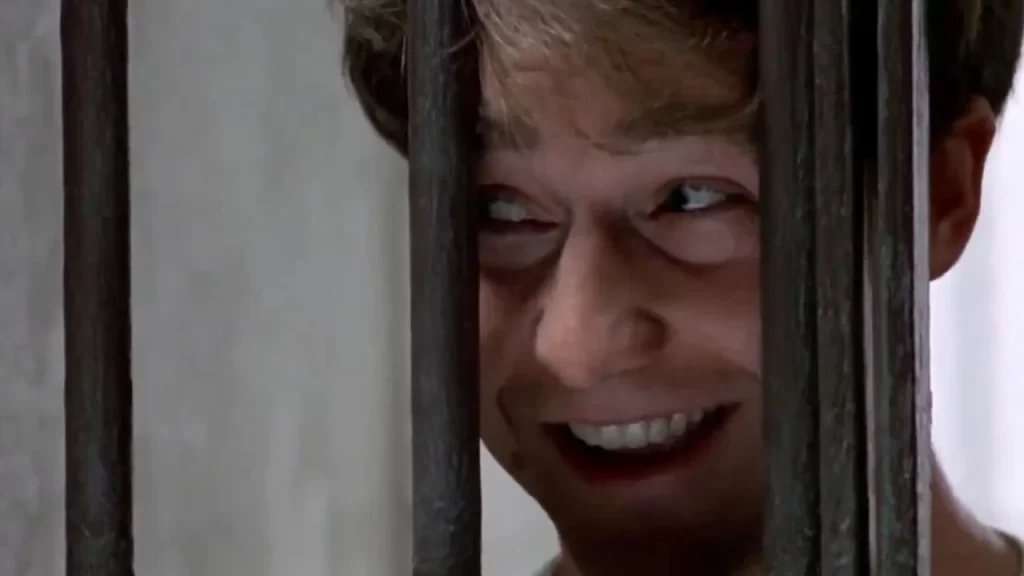
Few courtroom thrillers land their final punch as cleanly as Primal Fear.
The film hinges on the defense of Aaron Stampler, a seemingly meek altar boy accused of murder. Edward Norton’s performance is astonishing, especially because the film depends on our ability to believe in Aaron’s vulnerability. The final reveal that his alternate personality was an act — and that the sweet, stammering Aaron never really existed in the way we thought — is a classic “oh, you absolute monster” moment.
It is also the kind of twist that can make a career. Norton’s debut became instantly memorable because the performance had to work twice: first as innocence, then as manipulation.
Primal Fear does what great twist thrillers often do. It makes compassion feel like a liability.
You are not just shocked by the reveal. You are a little embarrassed that you fell for it.
18. Scream (1996)
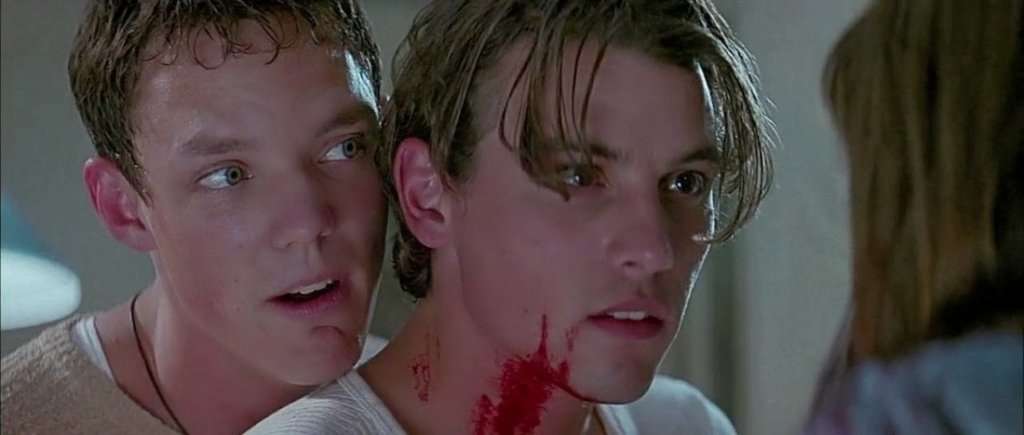
By the time Scream arrived, horror audiences were already genre-savvy. They knew the rules. They knew the archetypes. They knew the killer was probably someone close to the final girl, because slashers are nothing if not emotionally messy.
Wes Craven and Kevin Williamson turned that knowledge into a weapon.
The reveal that there are two killers is not just a clever twist. It is a meta-slasher masterstroke. Scream understands that audiences are actively trying to solve the movie as they watch it. So it gives them enough familiarity to feel confident, then complicates the formula.
The twist works because it is fun, nasty, and thematically perfect. Billy and Stu are not supernatural monsters or unknowable madmen. They are smug, entitled, horror-literate little creeps who have mistaken movie references for personality.
Scream did not invent the killer reveal, but it made it feel newly alive by letting the audience in on the game before stabbing them anyway.
19. The Game (1997)
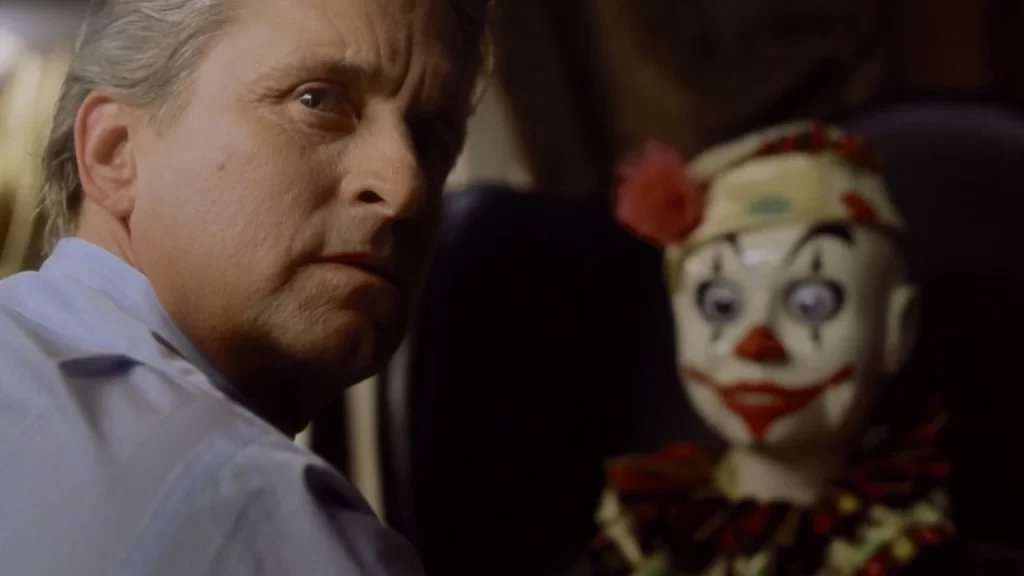
David Fincher’s The Game is basically a feature-length trust issue.
The film follows a wealthy, emotionally closed-off man who receives an unusual birthday gift from his brother: participation in a mysterious “game” that begins to dismantle his life. The pleasure of the film comes from never knowing where the performance ends and reality begins. Every person, object, clue, betrayal, and coincidence might be part of the design.
The ending remains divisive, partly because it asks the audience to accept an almost absurd level of orchestration. But whether you buy every detail or not, The Game is an important part of the pre-Sixth Sense twist landscape.
It is a pure puzzle-box thriller, built around manipulation, paranoia, and the fear that your life may be a story someone else is writing.
20. Fallen (1998)
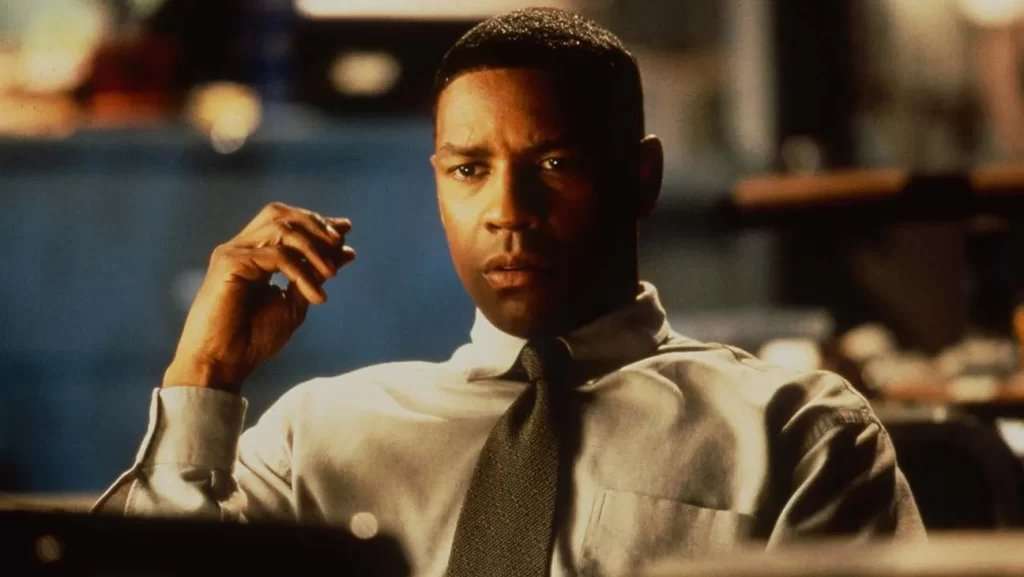
Fallen is one of the great underappreciated supernatural thrillers of the late ’90s, and its incredible nihilistic ending deserves far more love.
The film stars Denzel Washington as a detective investigating a string of murders connected to a demonic entity that can pass from person to person by touch. For most of the movie, we believe we are watching the story from the hero’s perspective. We trust the narration because, well, why wouldn’t we?
Big mistake.
The ending reveals that the voiceover has been misleading us, and that the story we thought was being told by the protagonist belongs to something far more sinister. It is a clever, chilling reversal that reframes the entire film’s perspective.
Fallen arrived just one year before The Sixth Sense, and it feels like a direct neighbor in the late-’90s supernatural twist boom. It has atmosphere, dread, a killer hook, and a final reveal that makes you want to immediately reconsider everything you heard.
Also, The Rolling Stones’ classic “Time Is on My Side” has never been the same.