As April gets underway, there is just under a month to go before the 70th annual Eurovision Song Contest takes place.

Kicking off on Tuesday 12 May, the first 15 acts will take centre stage for the first semi-final of the competition, followed by the latter 15 acts on Thursday 14 May.
While specific transmission and presenter details are yet to be unveiled, fans can expect non-stop coverage from the BBC once again.
If that still hasn’t met all your cheesy pop competition needs, then look no further than this comprehensive list of winners from years gone by.
Starting in 1956, past acts to have been triumphant in the competition include ABBA, Bucks Fizz and last year’s winner, Nemo.
Read on for all the past Eurovision winners from 1956 up to last year.
Every Eurovision winner by year
1956 – Switzerland, ‘Refrain’ performed by Lys Assia
1957 – Netherlands, ‘Net als toen’ performed by Corry Brokken
1958 – France, ‘Dors mon amour’ performed by Andre Claveau
1959 – Netherlands, ‘Een Beetje’ performed by Teddy Scholten
1960 – France, ‘Tom Pillibi’ performed by Jacqueline Boyer
1961 – Luxembourg, ‘Nous les amoureux’ performed by Jean-Claude Pascal
1962 – France, ‘Un premier amour’ performed by Isabelle Aubret
1963 – Denmark, ‘Dansevise’ performed by Grethe and Jorgen Ingmann
1964 – Italy, ‘Non ho l’eta’ performed by Gigliola Cinquetti
1965 – Luxembourg, ‘Poupee de cire, poupée de son’ performed by France Gall
1966 – Austria, ‘Merci Cherie’ performed by Udo Juergens
1967 – UK, ‘Puppet on a String’ performed by Sandie Shaw
1968 – Spain, ‘La, la, la’ performed by Massiel
1969 – 4-way tie! Spain, ‘Vivo cantando’ performed by Salome, UK, ‘Boom Bang-a-Bang’ performed by Lulu, Netherlands, ‘De troubadour’ performed by Lenny Kuhr, France, ‘Un jour, un enfant’ performed by Frida Boccara
1970 – Ireland, ‘All Kinds of Everything’ performed by Dana
1971 – Monaco, ‘Un banc, un arbre, une rue’ performed by Séverine
1972 – Luxembourg, ‘Apres toi’ performed by Vicky Leandros
1973 – Luxembourg, ‘Tu te reconnaitras’ performed by Anne-Marie David
1974 – Sweden, ‘Waterloo’ performed by ABBA
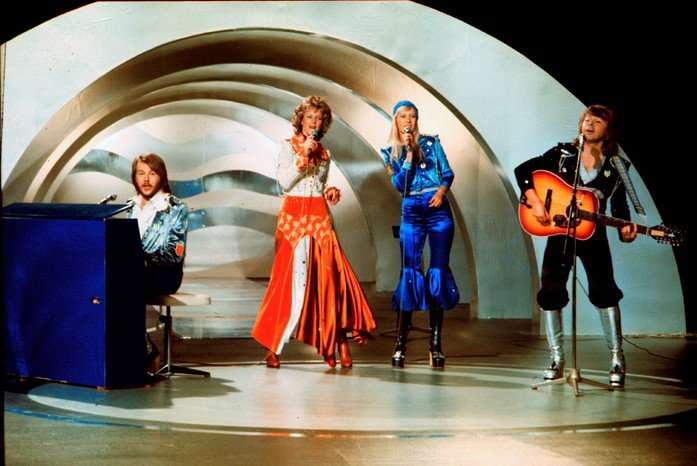
1975 -Netherlands, ‘Ding-a-Dong’ performed by Teach-In
1976 – UK, ‘Save Your Kisses For Me’ performed by Brotherhood of Man
1977 – France, ‘L’oiseau et l’enfant’ performed by Marie Myriam
1978 – Israel, ‘A-Ba-Ni-Bi’ performed by Izhar Cohen and the Alphabeta
1979 – Israel, ‘Hallelujah’ performed by Milk and Honey
1980 – Ireland, ‘What’s Another Year’ performed by Johnny Logan
1981 – UK, ‘Making Your Mind Up’, performed by Bucks Fizz
1982 – Germany, ‘Ein bisschen Frieden’ performed by Nicole
1983 – Luxembourg, ‘Si la vie est cadeau’ performed by Corinne Hermes
1984 – Sweden, ‘Diggi-Loo Diggi-Ley’ performed by Herreys
1985 – Norway, ‘La det swinge’ performed by Bobbysocks!
1986 – Belgium, ‘J’aime la vie’ performed by Sandra Kim
1987 – Ireland, ‘Hold Me Now’ performed by Johnny Logan
1988 – Switzerland, ‘Ne partez pas sans moi’ performed by Celine Dion
1989 – Yugoslavia, ‘Rock Me’ performed by Riva
1990 – Italy, ‘Insieme: 1992’ performed by Toto Cutugno
1991 – Sweden, ‘Fangad av en stormvind’ performed by Carola
1992 – Ireland, ‘Why Me?’ performed by Linda Martin
1993 – Ireland, ‘In Your Eyes’ performed by Niamh Kavanagh
1994 – Ireland, ‘Rock ‘n’ Roll Kids’ performed by Paul Harrington and Charlie McGettigan
1995 – Norway, ‘Nocturne’ performed by Secret Garden
1996 – Ireland, ‘The Voice’ performed by Eimear Quinn
1997 – UK, ‘Love Shine a Light’ performed by Katrina and the Waves
1998 – Israel, ‘Diva’ performed by Dana International
1999 – Sweden, ‘Take Me To Your Heaven’ performed by Charlotte Nilsson
2000 – Denmark, ‘Fly on the Wings of Love’ performed by the Olsen Brothers
2001 – Estonia, ‘Everybody’ performed by Tanal Padar, Dave Benton and 2XL
2002 – Latvia, ‘I Wanna’ by Marie N
2003 – Turkey, ‘Everyway That I Can’ performed by Sertab Erener
2004 – Ukraine, ‘Wild Dances’ performed by Rusiana
Want to see this content?
This page contains content provided by Google reCAPTCHA. We ask for your permission before anything is loaded, as Google reCAPTCHA may use cookies and other technologies. To view this content, choose ‘Accept and continue’ to allow Google reCAPTCHA and its required purposes.
2005 – Greece, ‘My Number One’ performed by Helena Paparizou
2006 – Finland, ‘Hard Rock Hallelujah’ performed by Lordi
2007 – Serbia, ‘Molitva’ performed by Marija Serifovic
2008 – Russia, ‘Believe’ performed by Dima Bilan
2009 – Norway, ‘Fairytale’ performed by Alexander Rybak
2010 – Germany, ‘Satellite’ performed by Lena
2011 – Azerbaijan, ‘Running Scared’ performed by Ell & Nikki
2012 – Sweden, ‘Euphoria’ performed by Loreen
2013 – Denmark, ‘Only Teardrops’ performed by Emmelie de Forest
2014 – Austria, ‘Rise Like A Phoenix’ performed by Conchita Wurst
2015 – Sweden ‘Heroes’ performed by Mans Zelmerlow
2016 – Ukraine, ‘1944’ performed by Jamala
2017 – Portugal, ‘Amar pelos dois’ performed by Salvador Sobral
2018 – Israel, ‘Toy’ performed by Netta
2019 – Netherlands, ‘Arcade’ performed by Duncan Laurence
2020 – The competition was cancelled due to the COVID-19 pandemic
2021 – Italy, ‘Zitti e Buoni’ performed by Måneskin
2022 – Ukraine, ‘Stefania’ performed by Kalush Orchestra
2023 – Sweden, ‘Tattoo’ performed by Loreen
2024 – Switzerland, ‘The Code’ performed by Nemo
2025 – Austria, ‘Wasted Love’ performed by JJ
The Eurovision Song Contest has faced significant criticism over its decision to allow Israel to take part in the event due to the ongoing war in Gaza.
This year, a number of countries will boycott the contest following the European Broadcasting Union’s decision not to expel Israel from the competition.
At the EBU general assembly in December 2025, a vote was held to introduce new rules that would stop governments and third parties from disproportionately promoting songs to influence voters. No vote was held on Israel’s participation.
The EBU said in a statement: “A large majority of members agreed that there was no need for a further vote on participation and that the Eurovision Song Contest 2026 should proceed as planned, with the additional safeguards in place.”
Following this, Ireland, Spain, the Netherlands, Slovenia and Iceland confirmed they would not participate in this year’s Eurovision.
Irish broadcaster RTÉ said: “RTÉ feels that Ireland’s participation remains unconscionable given the appalling loss of lives in Gaza and the humanitarian crisis there, which continues to put the lives of so many civilians at risk.”
The BBC, which broadcasts the competition in the UK, has said it supports the decision made by the EBU. “This is about enforcing the rules of the EBU and being inclusive,” it said in a statement.
The Eurovision Song Contest 2026 final will take place on Saturday 16 May 2026.
You can also check out the full list of Eurovision winners and how many times the UK has won Eurovision.
Check out more of our Entertainment coverage or visit our TV Guide and Streaming Guide to find out what’s on. For more TV recommendations and reviews, listen to The Radio Times Podcast.