This week’s best streaming horror includes Black Phone 2, Aberrance, and Solvent, plus an Insidious double feature and Exit 8 on VOD.
No time to read? Click the button below to listen to this post.

MORBID MINI: This week, go ‘Further’ into the Insidious horror franchise, answer the call of The Black Phone 2, and expand your horizons with some nightmare fuel from foreign filmmakers. Plus, open your wallet for one of the best video game adaptations ever made. Here are this week’s must-watch horror picks.
May continues to prove why it’s one of the best months of the year to be a horror fan. The new releases keep coming, but just as exciting is how much great genre content is quietly landing on streaming, waiting to be rediscovered.
If you’re looking to fill out your watchlist beyond the latest drops, there’s no shortage of essentials worth revisiting. Jennifer’s Body just hit Netflix and remains as sharp, funny, and subversive as ever. Him, the Jordan Peele-produced psychological thriller, is already sparking conversation after its April debut, while Oscar nominee Bugonia is easily one of the most intriguing genre-adjacent arrivals on the platform.
And then there’s 28 Years Later: The Bone Temple, which deserves far more attention than it’s getting. It’s a bold, emotionally bruising continuation that expands the mythology in meaningful ways. The fact that it underperformed both theatrically and on Netflix is a real concern, especially with a third film planned. Horror fans should not let that happen.
But if you’re here for what’s new, what’s now, and what’s worth your time this week, we’ve got you covered.
4 Great Horror Films to Stream This Week
4 Great Horror Films to Stream This Week
1. Black Phone 2 (Netflix – May 16, 2026)
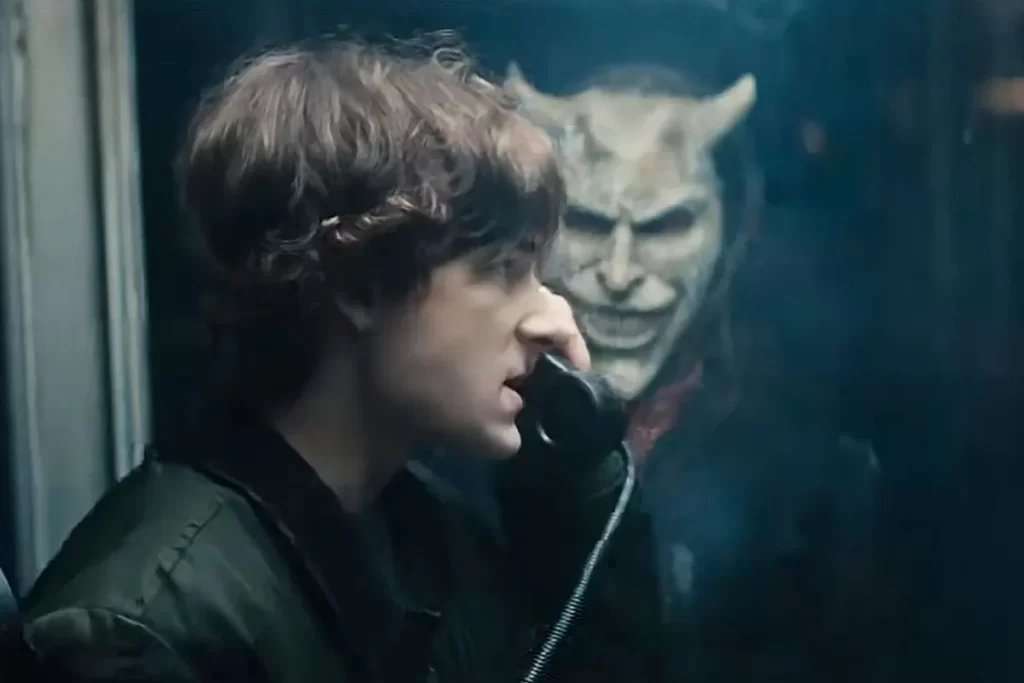
Scott Derrickson returns to the world of The Black Phone with a sequel that expands the mythology without losing sight of what made the original so effective. Black Phone 2 leans further into the supernatural, deepening its exploration of trauma, survival, and the lingering echoes of violence that refuse to stay buried.
Ethan Hawke’s Grabber remains a haunting presence, but the real strength lies in how the film shifts its focus toward the aftermath. It’s less about the escape this time and more about the reckoning, giving the sequel a heavier emotional weight. The scares are still there, but they’re more deliberate, more patient, and often more unsettling because of it.
It’s not as tightly contained as the first film, but it’s more ambitious. A darker, more introspective follow-up that proves this story still has teeth.
2. Aberrance (Shudder – May 11, 2026)
Aberrance marks a major milestone as the first Mongolian horror film to receive a theatrical release in North America. It’s a visually aggressive, psychologically slippery thriller that thrives on keeping you off balance.
The film follows a couple retreating to a remote, snow-covered cabin, where their already fractured relationship quickly raises red flags. Director Baatar Batsukh, also serving as cinematographer, leans into disorientation with aggressive camera movement, body-mounted shots, and claustrophobic framing that traps you inside the characters’ unraveling reality. The use of stark color gives the film a heightened, almost feverish quality.
It’s messy, ambitious, and technically impressive. A promising debut that prioritizes mood and visual energy over narrative clarity, and a strong pick for fans of international horror that is willing to take risks.
3. Insidious Double Feature: The Last Key and The Red Door (HBO Max – May 1 and 4, 2026)
With Insidious: Out of the Further set to arrive this August, now is the perfect time to revisit the franchise’s most recent entries. This double feature offers a compelling look at how the series has evolved.
The Last Key leans into franchise lore, giving Lin Shaye’s Elise Rainier the spotlight she has long deserved. It’s messy at times, but there’s an emotional undercurrent that gives it more weight than expected, especially as it digs into Elise’s past.
The Red Door, on the other hand, takes a more introspective approach, shifting the focus to generational trauma and the lingering psychological scars left behind by the supernatural. It’s quieter, more character-driven, and occasionally uneven. But it’s also one of the more interesting swings the franchise has taken.
Together, they make for a solid catch-up ahead of the next chapter, offering both the highs and growing pains of a long-running horror series trying to evolve.
4. Solvent (Shudder – May 4, 2026)
Solvent is a grim, suffocating descent into obsession and decay, the kind of film that feels like it’s closing in on you from all sides. It trades in atmosphere and psychological deterioration, building a sense of unease that becomes harder to shake as it unfolds.
What stands out most is its commitment to discomfort. There’s no easy release here or clean narrative catharsis. Instead, the film lingers in its own bleakness, forcing you to sit with its characters as they spiral further into something corrosive and inescapable.
It’s not an easy watch, but it’s undoubtedly compelling.
Bonus: One Worth Opening Your Wallet For
Bonus: One Worth Opening Your Wallet For
Exit 8 (VOD – May 8, 2026)
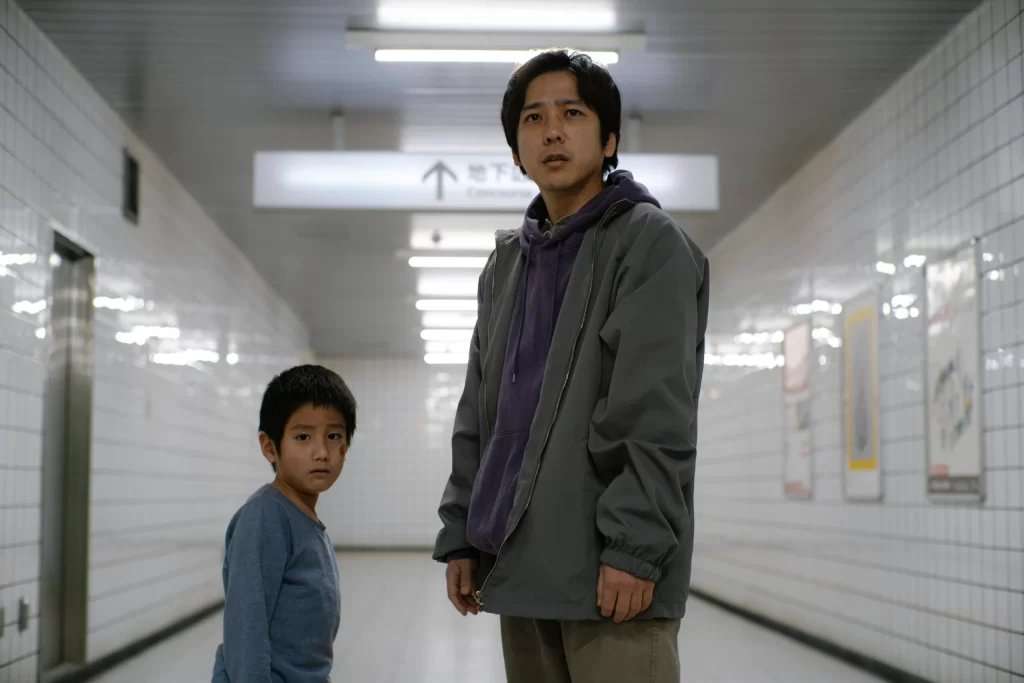
Exit 8 is one of the rare video game adaptations that understands exactly what made the source material work and then deepens it. Genki Kawamura takes the eerie “spot the difference” mechanics of the indie hit and transforms them into something far more introspective, turning a looping subway corridor into a purgatorial space for a man confronting the consequences of his own inertia.
The setup is deceptively simple. After a tense encounter on a train and a life-altering phone call from his ex-girlfriend, an unnamed man finds himself trapped in a pristine, endlessly repeating station. The only way out is to follow a set of rules and identify subtle anomalies in the environment. It’s a clean hook, but the film quickly reveals something heavier beneath the surface, as each loop becomes less about escape and more about what the protagonist is trying to avoid.
Kawamura wrings an impressive amount of tension out of repetition, using small visual shifts, disorienting sound design, and precise pacing to keep the experience from ever feeling stagnant. What begins as a game of observation slowly evolves into something more existential, especially once the man encounters a young boy trailing a silent, unsettling figure. The connection between them adds an emotional undercurrent that reframes the entire ordeal.
Kazunari Ninomiya gives a restrained, quietly devastating performance, conveying a kind of emotional numbness that makes the character’s paralysis feel painfully real. With minimal dialogue, much of the weight falls on his physicality, and he sells both the monotony and the mounting dread with subtle precision.
It’s not just clever, it’s purposeful. Exit 8 turns its looping structure into a bleak but resonant metaphor for the cycles people trap themselves in, and the fear of making decisions that might actually change their lives. A smart, unsettling, and unexpectedly moving adaptation that proves less can be far more effective when it’s this intentional. A must-see.